Residents in Akwa Ibom Demand Better Roads, Healthcare, and Electricity
Residents in Akwa Ibom have raised concerns over poor infrastructure and services during town hall meetings. They demand better roads, healthcare, and electricity.
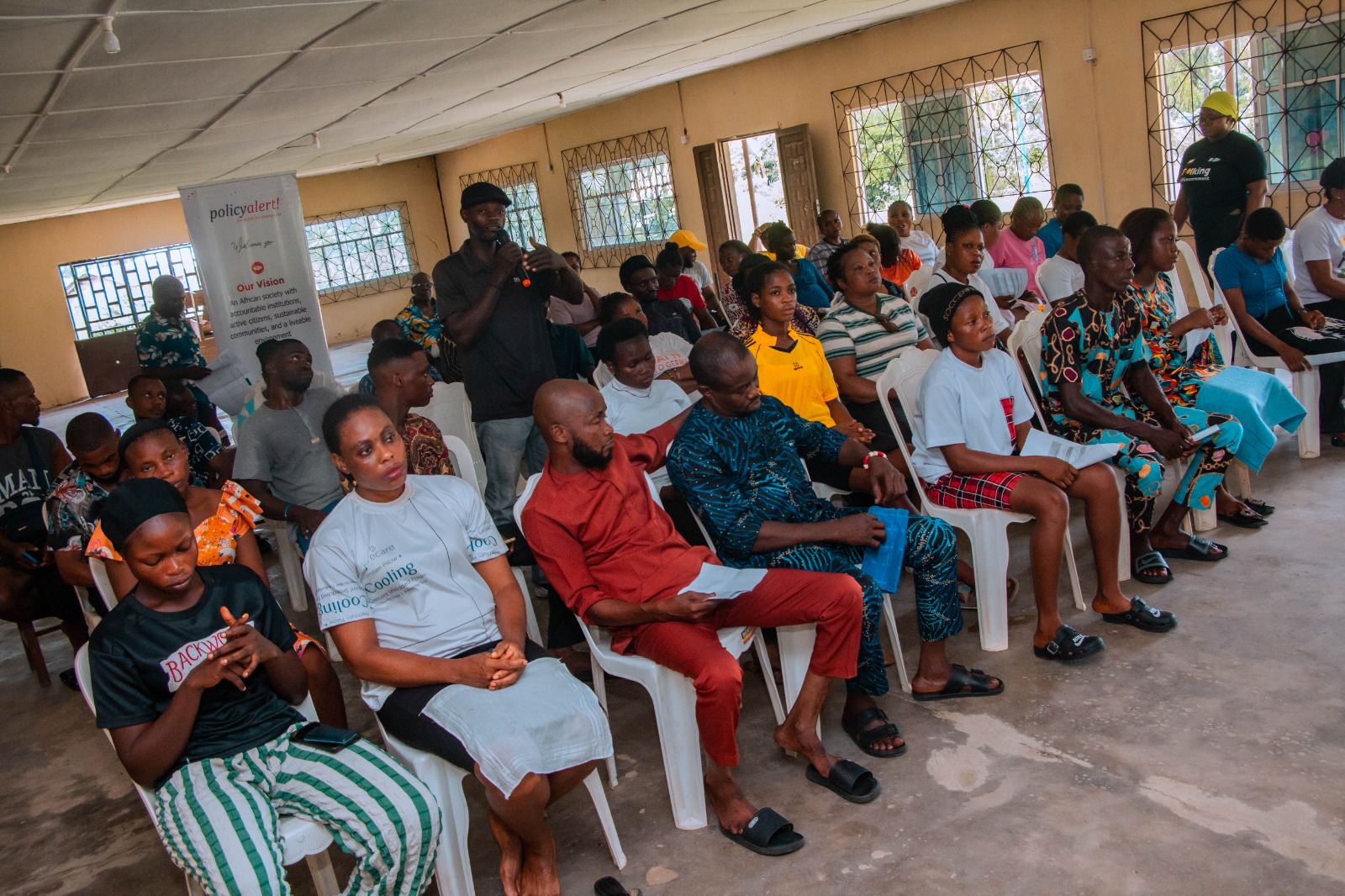
Residents in four local government areas in Akwa Ibom State have called for urgent government action on poor infrastructure, bad healthcare, unstable electricity, youth unemployment, and weak public services.
They made these demands during town hall meetings aimed at improving accountability and getting citizens involved in local governance.
The meetings were organized by Policy Alert in partnership with the councils of Ikono, Ibesikpo Asutan, Etinan, and Ikot Ekpene from May 29 to June 12. About 240 people participated, including community leaders, women, youths, people with disabilities, traditional rulers, civil society groups, and government officials.
These meetings, supported by the Nigeria Youth Futures Fund project, gave residents a chance to directly question public officials, discuss development priorities, and seek commitments on service delivery. This is important because it has become hard to access local government budgets in Akwa Ibom.
PREMIUM TIMES had earlier reported that Policy Alert called for local government budgets to be published in Akwa Ibom.
Although concerns differed across communities, common issues included bad rural roads, long electricity outages, insufficient healthcare facilities, lack of teachers, flooding, youth unemployment, and insecurity.
Ikono Residents Call for Better Healthcare, Schools, and Electricity
At the Ikono town hall on May 29, residents praised the local government chairman, Otobong Essien, for restoring electricity to parts of the local government area that had long faced blackouts.
However, they urged the council to install solar-powered streetlights in communities to boost security. They also asked for faster completion of the abandoned Model Primary School project, which they said was moving slowly compared to similar projects in the state.
A participant, Ubong Okorie, noted that while Ikono has many public primary schools, many of them lack staff offices, enough classrooms, and a good learning environment. He also asked for more qualified teachers to enhance learning.
Residents were also worried about the collapsed bridge connecting the Edem Iyere community to the neighboring Ibiono Ibom Local Government Area. They said this damaged bridge had cut off communities from economic and social activities.
Other participants expressed frustration over long power outages in several areas, shortages of medicines and health workers at primary healthcare centers, poor learning conditions in public schools, and a lack of industries to create jobs for youths.
Responding for the chairman, Special Adviser on Media, Emmanuel Ufon, said they would include these concerns in the council’s planning as they prepare for the 2027 budget.
He explained that the delay in the Model Primary School project was due to issues with the contractor and that the council had acquired transformers for communities facing prolonged blackouts. He also mentioned investments in youth development through a modern skills acquisition center and ongoing efforts in healthcare, education, and menstrual hygiene support for schoolgirls.
Ibesikpo Asutan Communities Highlight Infrastructure Shortcomings
At the Ibesikpo Asutan town hall on June 1, participants raised issues about the lack of streetlights, ongoing electricity outages, dangerous traffic conditions near Godswill Akpabio International Stadium, and poor healthcare services.
Youth leaders pointed out that many young people had not received benefits from government empowerment programs despite promises from past administrations.
Community representatives also requested transformers for places without electricity for years, while some called for better access roads, market facilities, and more health workers for primary healthcare centers.
In response, Council Secretary Edidiong Ndifreke said they had already distributed seven transformers across various wards and were implementing development projects in phases.
He shared that a committee formed soon after the chairman took office had identified priority needs to guide the government's actions.
Mr Ndifreke assured residents that the council would work with the relevant authorities to improve staffing at primary healthcare facilities and continue advocating for the infrastructure projects requested by the communities.
Etinan Residents Push for Inclusion and Better Public Services
During the Etinan town hall on June 10, residents identified education, healthcare, water supply, youth employment, and security as their main concerns.
Participants called for renovations of run-down public schools, changing existing boreholes to solar-powered ones, installing streetlights in key areas, and improving staffing and monitoring of primary healthcare centers.
Some residents complained about how healthcare workers treated patients, especially pregnant women, saying poor treatment had discouraged many expectant mothers from using government health facilities.
The meeting also included calls for better inclusion of people with disabilities in government jobs and empowerment programs. Participants urged authorities to investigate a local group called Iron Condemn due to security worries.
In response, Council Leader Ekerete Umoh asked residents to protect public infrastructure from vandalism, especially electricity transformers, as their destruction has disrupted electricity and water supply in many communities.
He emphasized that ongoing dialogue between citizens and the government is essential for improving accountability and ensuring development reflects community needs.
Ikot Ekpene Residents Voice Concerns About Flooding and Poor Roads
At the Ikot Ekpene town hall on June 12, residents focused on bad roads, ongoing flooding, poor drainage systems, ineffective waste management, and inadequate electricity supply.
Participants explained that damaged roads had raised transportation costs and hurt economic activities. Annual flooding often makes several areas inaccessible during heavy rains.
Others worried about rundown public schools and ineffective waste disposal systems, warning that improper refuse dumping could cause serious health and environmental issues.
The meeting was notable for its inclusivity, with people with disabilities actively joining in, including a deaf, nonverbal participant who communicated through accessible support.
Responding for the chairman, Vice Chairman Abigail Akpan acknowledged the issues raised and promised that the recommendations would be sent to the chairman and prioritized for action.
She said the council is dedicated to collaborating with communities and development partners to enhance service delivery across the local government area.
Call for Ongoing Citizen Engagement
Representatives from Policy Alert stated that these town hall meetings aimed to strengthen participatory governance by creating structured chances for dialogue between citizens and local governments.
They said the initiative wants to promote transparency, accountability, and inclusive governance by ensuring that women, youths, and people with disabilities take active roles in decision-making.
Across the four local government areas, participants repeatedly urged the government to improve basic infrastructure, enhance healthcare and education, create more job opportunities for young people, and make budgeting and development planning more responsive to citizens’ needs.
Council officials promised to keep these engagements going and ensure that residents' concerns inform future planning and budget implementation. They described ongoing dialogue as key to boosting public trust and service delivery at the grassroots level.


Comments
No comments yet.