Rhodes-Vivour Questions Hamzat on #EndSARS and Tear Gas Incident
Lagos governorship candidate Gbadebo Rhodes-Vivour confronts Deputy Governor Obafemi Hamzat over his comments on the #EndSARS protests during a debate.
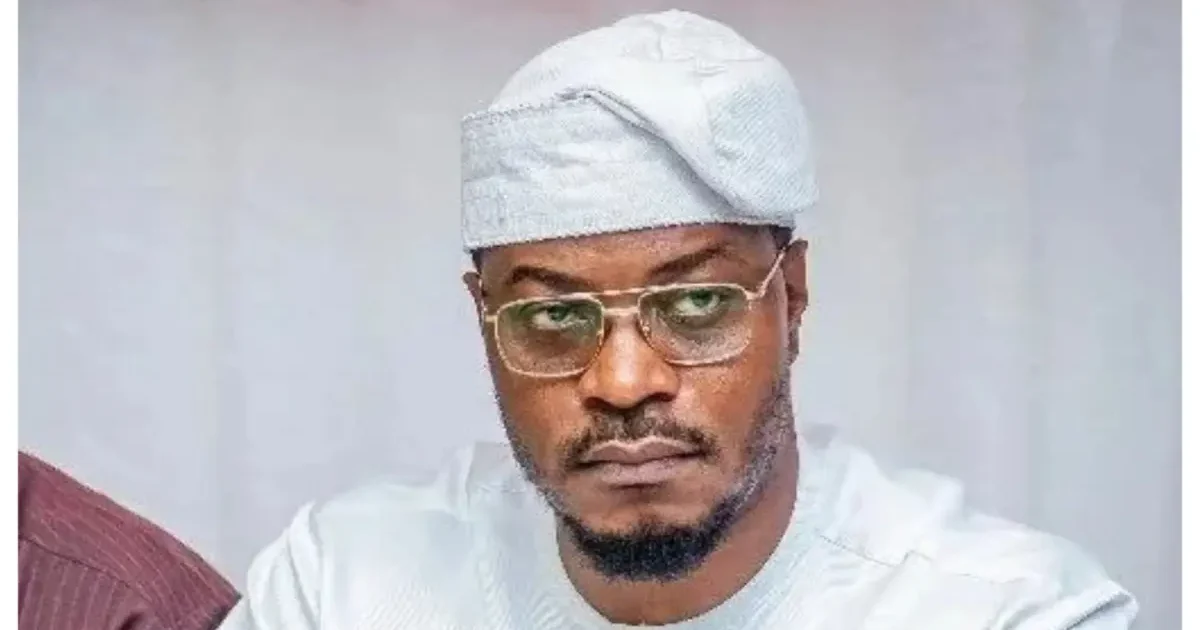
Gbadebo Rhodes-Vivour, the Lagos State governorship candidate for the African Democratic Congress, has taken Deputy Governor Obafemi Hamzat to task over his remarks on the 2020 #EndSARS protests.
Rhodes-Vivour remembered how he and other opposition leaders were hit with tear gas during a memorial event at the Lekki tollgate in October 2026.
On Sunday, during the 2026 Lagos governorship debate held by the Nigeria Debate Consortium, he responded to Hamzat’s comments about how the state handled the aftermath of the #EndSARS protests.
Hamzat called October 20, 2020, a sad day for Lagos. He said he was there and understands the pain residents felt.
He also defended the state government's actions, highlighting the judicial panel set up to look into police brutality and the Lekki tollgate incident, along with the government’s white paper on the panel’s recommendations.
“October 20th was a sad day in Lagos, very sad. And I will not stand here and say I’m not the deputy. I was in, I was in the room. But remember, Lagos State set up a judicial commission, funded, independent, pulling people against the government in there to find the truth. And they did their report,” Hamzat said.
He mentioned that the report was made public and that the state government acted on several of the recommendations.
Hamzat stated that residents have the right to protest, adding that the military comes under the Federal Government's control.
“Everybody knows that the military is a function of the federal government. So to say that Lagos State Government has anything to do with it, we accept, because I will never, never rub over the pain of citizens,” he said.
But Rhodes-Vivour challenged Hamzat’s views. He pointed out what he sees as a recent pattern of violence against opposition figures in the state.
He recalled that he and Funso Doherty, the governorship candidate of the Nigeria Democratic Congress, were among those who were tear-gassed by police at the Lekki tollgate on October 20, 2026, while trying to lay flowers for #EndSARS victims.
“I just want to speak on END SARS. While the Deputy Governor gave a very empathetic take on it, it does not really match the realities of what happened this month when Funsho Doherty and I were fired with tear gas,” Rhodes-Vivour said.

He argued that this incident shows what he sees as a normal trend of violence against opposition parties in Lagos.
“When we’re just putting flowers at the tollgate. So there’s this rhetoric that truly doesn’t match the reality of the normalisation of violence in Lagos State against opposition parties. So I just wanted to put that on record so people can also be aware of that,” he added.
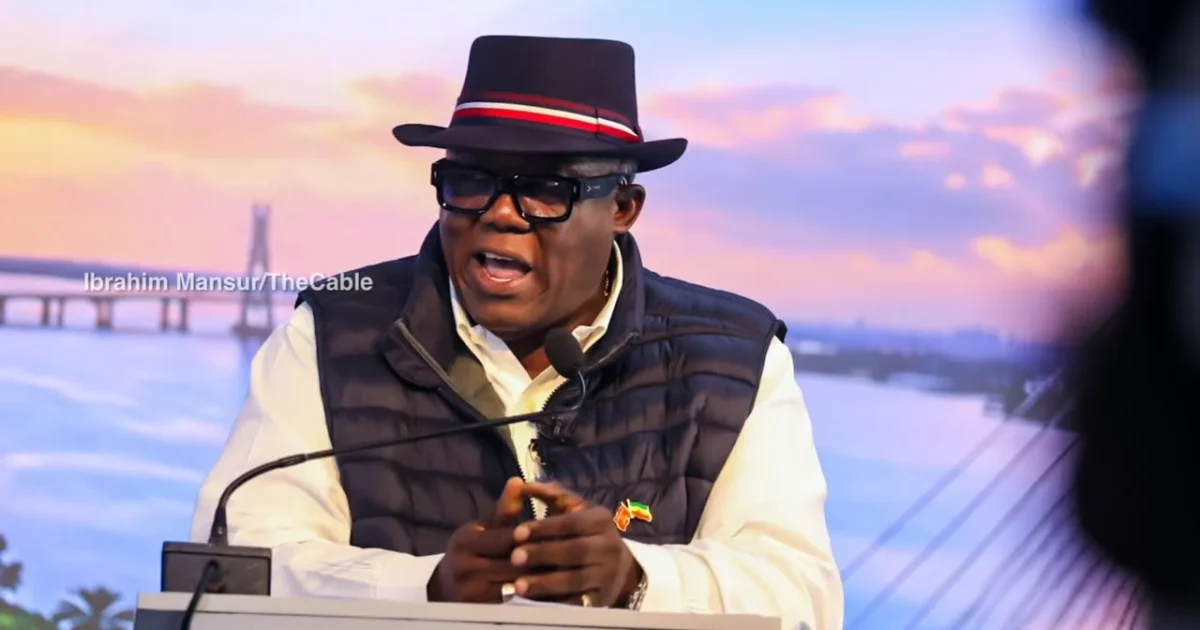
This exchange happened during the Lagos governorship debate organised by the Nigeria Debate Consortium, which includes Channels Television, TVC News, The PUNCH, TheCable, and Vanguard, ahead of the 2027 governorship election.
The incident on October 20 occurred during a memorial by the Enough is Enough movement to remember those who died or went missing during the #EndSARS protests.
Police used tear gas to break up the gathering of residents, journalists, and political figures at the Lekki tollgate, stopping the planned wreath-laying event.
Rhodes-Vivour and Doherty were among those affected by the police action, which forced people to run away before they could lay the wreaths.
The organisers aimed to use the ceremony to remember victims of the 2020 protests against police brutality.
The #EndSARS protests started in October 2020, with young Nigerians calling for an end to police brutality, especially by the now-disbanded Special Anti-Robbery Squad.
The Lekki tollgate became a key site for the protests after the shooting of demonstrators on October 20, 2020.
Later, the Lagos State Government set up a judicial panel to look into claims of police brutality and the Lekki tollgate incident.
The panel submitted its report in 2021, but the state government later released a white paper that disagreed with some of its findings.
Comments
No comments yet.