Suspended Archbishop Takes Anglican Church's Primate to Court
Archbishop Alexander Ibezim has filed a lawsuit against Primate Henry Ndukuba after being suspended for alleged misconduct. The case raises questions about church governance.
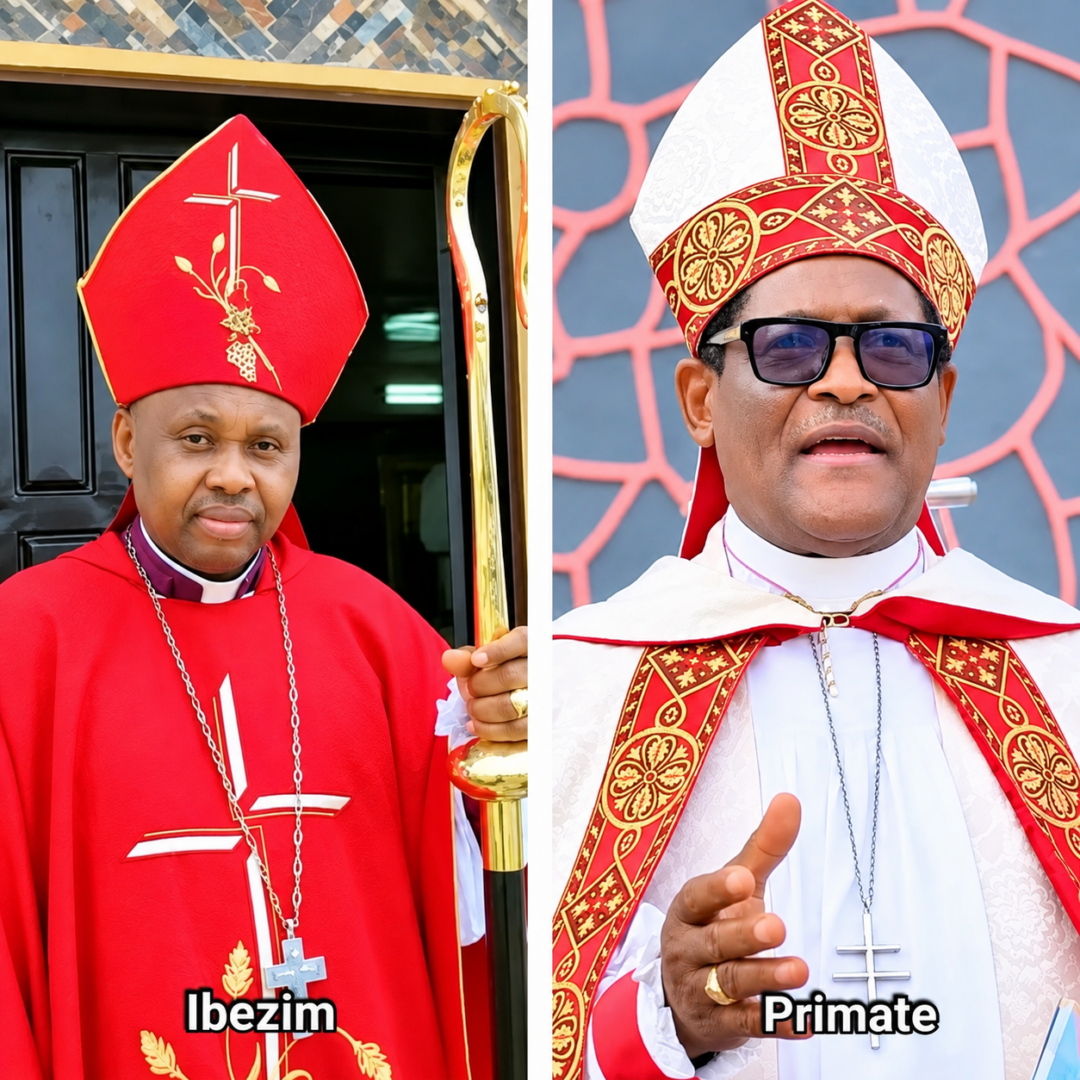
The suspended Anglican Archbishop of the Province of the Niger and Bishop of the Diocese of Awka in Anambra State, Alexander Ibezim, has taken legal action against the Primate of the Church of Nigeria (Anglican Communion), Henry C. Ndukuba. This is over his suspension and the plan to discipline him.
Mr Ndukuba suspended the archbishop for six months due to several allegations, including selling church land for N2 billion. The primate said the suspension was to allow for proper investigations into the claims against the archbishop and the diocese.
He also named the Bishop of the Diocese of Aguata, Samuel Ezeofor, as the supervising bishop of the church’s Diocese of Awka and coordinating bishop of the Province of the Niger.
The Lawsuit
Mr Ibezim filed the lawsuit at the High Court of Anambra State, Awka Judicial Division on 13 October, according to a court document seen by PREMIUM TIMES. The suspended archbishop filed the suit through his legal team led by B.E.I. Nwofor, a Senior Advocate of Nigeria.
The court document shows that the lawsuit was filed on the same day Mr Ndukuba suspended him. Mr Ndukuba is the first defendant in the suit, while the Dean of the Church of Nigeria, Blessing Enyindah, is the second defendant.
Mr Enyindah led a visitation team to the Diocese of Awka during the investigation into the archbishop’s actions. In the originating summons, Mr Ibezim is asking for the interpretation of parts of the 2020 Constitution and Canons of the Church of Nigeria (Anglican Communion) that deal with disciplinary actions against diocesan bishops.
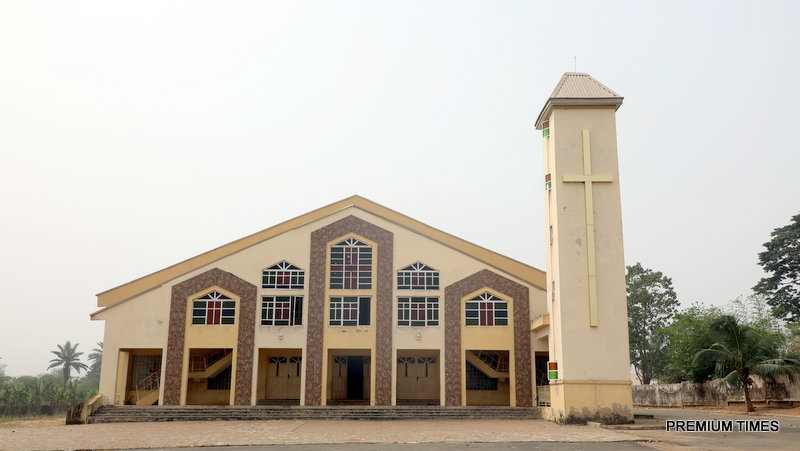

The suspended archbishop told the court that the visitation team was “illegally constituted” by the primate in a letter dated 17 June 2026. He wants the court to clarify the rules for disciplining a serving diocesan bishop and how strictly the church’s laws must be followed before any punishment can be applied.
Mr Ibezim is asking the court to declare that the procedure for disciplining a serving diocesan bishop is outlined in sections 55 and 75 to 76 of the church’s 2020 Constitution, plus sections 22 to 28 of Canon XVI. He wants the court to confirm that this process must be strictly followed before any disciplinary actions, like suspension or removal as Bishop of Awka and Archbishop of the Province of the Niger, can happen.
The cleric also wants the court to declare that at least one of the 10 offences listed under section 1 of Canon XVI must be proven before any disciplinary actions can be taken against him. These provisions detail the offences for which senior clerics, including the primate, archbishops, bishops, priests, and deacons, can be tried under the church’s disciplinary rules.
Mr Ibezim further asks the court to explain the proper interpretation and application of various constitutional and canonical rules that define the duties, powers, and responsibilities of different offices within the Church of Nigeria. He mentioned several provisions of the Canons, including Cannon V, VI, VII, IX, XII, XIV, XV, XVI, and XVII, as the basis for his lawsuit. He wants the court to resolve a range of legal issues.
The cleric also requested the court to issue an interlocutory injunction to stop church leaders from suspending, removing, retiring, or dismissing him from his church positions until the main case is decided. The defendants, whose address is listed as St Matthias House, Apo, Abuja, have 42 days from when they receive the originating summons to respond.



Comments
No comments yet.