The Crisis of Illegal Mining and Human Rights in Africa
The deaths of 37 young men in Nigeria highlight severe human rights abuses in illegal mining. This issue extends throughout Africa, affecting many miners.
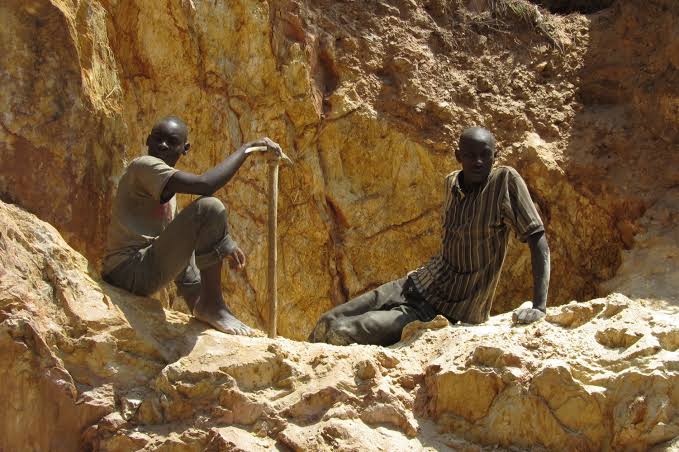
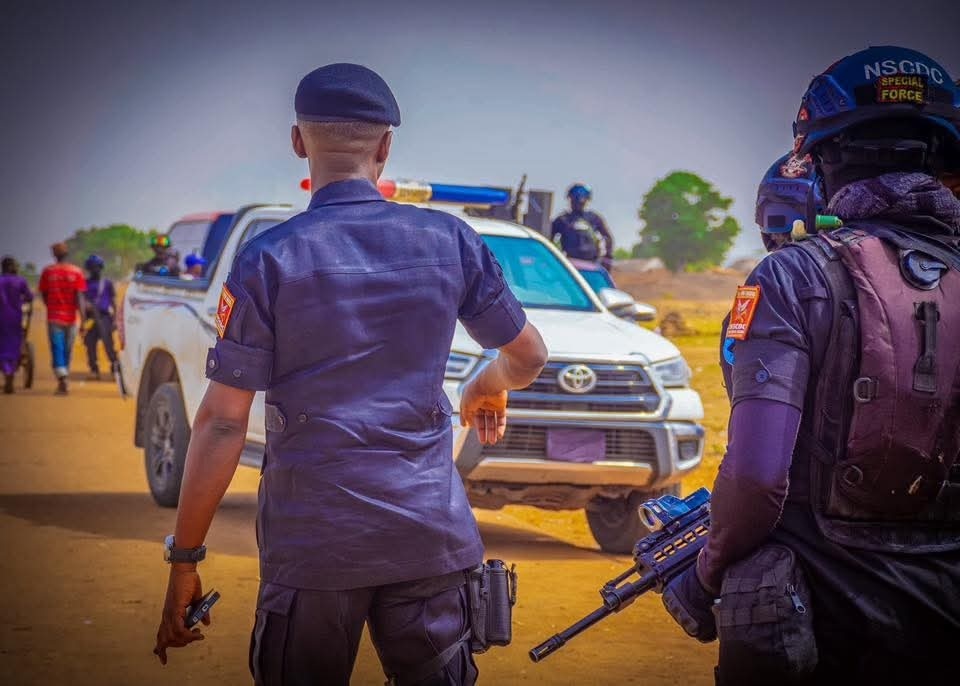
Last month, thirty-seven boys and young men died while in the custody of the Nigeria Security and Civil Defence Corps (NSCDC) in Minna, Niger State. They were accused of being ‘illegal miners’ and were arrested during raids by a special NSCDC unit aimed at illegal mining.
An investigative panel revealed that they died from asphyxiation in ‘inhumane conditions’ and called their deaths preventable. The panel made recommendations to compensate the families, dismiss and prosecute the officers involved, and implement reforms. These recommendations are significant as they highlight the serious abuses and the need for better responses.
This problem is not just in Nigeria. It reflects a bigger issue of human rights abuses at artisanal mining sites across Africa.
Many actors guard these sites. They include state security, paramilitary groups like the NSCDC, private security, mercenaries, and armed groups. Miners face many crimes, including trafficking, extortion, sexual violence, child labour, forced recruitment, arbitrary detention, torture, and murder.
Artisanal miners and traders suffer not only from abuses by government forces but also from the state’s failure to protect them from attacks by non-state actors, including other miners.
In Central Africa, research by the Institute for Security Studies shows that security forces in Cameroon, the Democratic Republic of the Congo (DRC), and the Central African Republic (CAR) have committed violence, including summary executions, against artisanal miners and their communities. In the DRC, miners are abused by both the Rwanda-backed M23 and private security guards.
In South Africa, illegal miners known as zama zamas show how illegal mining connects with organised crime. Reports say these groups take over abandoned mines, extort other miners for protection, and steal gold from legal operations. These activities lead to community conflicts and are worsened by police corruption, weak enforcement, and poor oversight of abandoned mines.
The Krugersdorp gang-rape case illustrates the serious security risks that zama zamas bring. Similar issues occur in the CAR, where groups like Séléka and Anti-Balaka profit from the country's diamond trade and sometimes take over mining sites.
About 13.2 million artisanal and small-scale miners (ASM) work in Africa. In Central Africa, there are 2.6 million, up from around 100,000 in 2013. This increase is due to a rising demand for minerals as global commodity prices surge. Gold prices hit a record high of $4,000 per ounce in 2025, with other minerals also seeing price spikes.
ASM contributes significantly to mineral production in Africa, bringing in about $3 billion to $5 billion annually. In 2022, ASM accounted for 32-41 percent of Africa's total gold production and 52-74 percent of global tantalum production from 2017 to 2023, showing its importance in the extractive economy.
The rise of ASM in Africa is linked to low education levels and high unemployment. It attracts young people with limited job options. For many, including children who are not in school, it is a way to survive.
Weak regulations make miners more vulnerable to human rights abuses. Laws in Central Africa often allow ASM but criminalise unlicensed activities. Artisanal miners find it hard to get permits due to long delays, high costs, and complicated procedures, leaving many unprotected under the law.
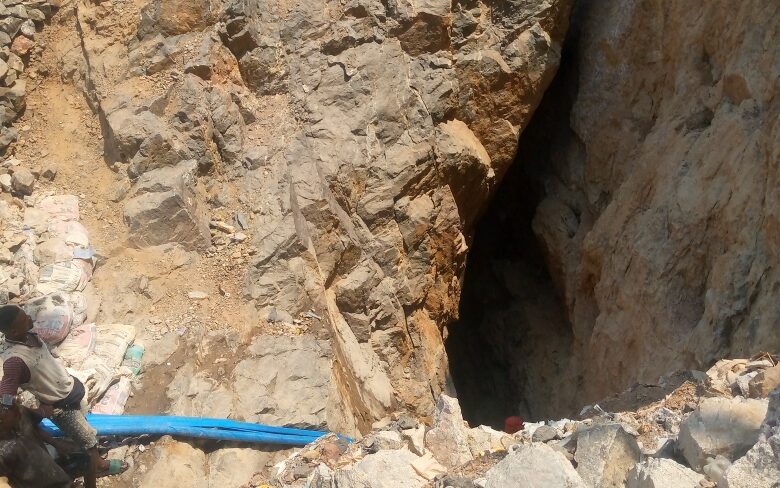
The strict enforcement of regulations leads to abuses at mining sites. Criminalising ASM puts miners at risk of exploitation and violence from criminal groups, who often demand ‘taxes’ or protection money. This coerced cooperation makes artisanal miners more vulnerable when criminals break their agreements.
Without distinguishing between miners who are just trying to survive and criminal networks, these relationships can be wrongly seen as collusion. This can justify the targeting of miners by security forces.
In places like Chad and South Africa, political elites and military personnel are said to support illegal mining, hire artisanal miners, and provide protection in exchange for gold. This creates conflicts of interest and affects how regulations are enforced.
Many miners act out of poverty. Criminalising ASM only makes them more vulnerable, exposing them to unsafe work conditions and exploitation. Governments punish small-scale miners instead of concession owners, which can lead to unrest. In Ghana, some communities have resisted enforcement actions, saying they threaten their livelihoods.
Criminalisation does not fix the issues of ASM. It drives miners underground, making them more exposed to danger and exploitation and fueling crime. Violent crackdowns on artisanal miners show that the state does not fully understand the issues surrounding ASM or how to regulate it effectively.
There are real worries about ASM's economic, environmental, and human security impacts, both in Africa and globally. Yet, purely forceful responses to this complex social issue do not help.
Recent events highlight the push for control over mineral wealth, the state’s desire to assert power over ungoverned areas, and a lack of accountability and human rights protections. This indicates that mining regulations in resource-rich African countries have not worked, while the state wrongly equates ASM with illegal mining.
A meeting in Accra last October aimed at strengthening ASM across the continent was timely. It included political and traditional leaders, the United Nations, the African Union, the private sector, media, and international partners, following last year's summit on the topic.
But authorities also need to see artisanal miners as partners in the extractive economy. This means changing laws to define ASM clearly and protect miners from abuse by rogue security forces and others. When violations happen, there should be investigations and prosecutions.
Countries should create more job opportunities for youth to reduce their chances of joining armed groups or relying on exploitative mining. This could include investing in vocational training, entrepreneurship, digital skills, and creative industries that help young people achieve their goals and become financially independent.



Comments
No comments yet.