Tinubu Faces Tough Challenges Ahead
Bola Ahmed Tinubu is a strong contender in the upcoming elections, but he faces tough challenges. The opposition may unite to create a formidable challenge.
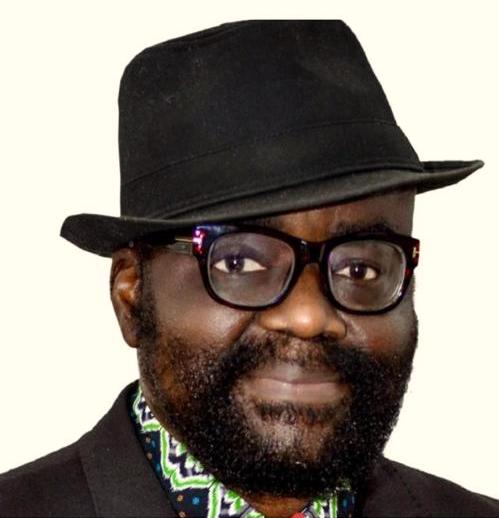
Candidate Bola Ahmed Tinubu is strong enough without the title of president. Now that he has all presidential powers, he is a top contender in the upcoming elections. But there are signs that, while he is tough, he is not unbeatable.
Many of his opponents in the past underestimated him. This shows when they rely on old stories about Tinubu’s failures instead of offering better plans to replace his unpopular policies.
At this time, none of the other presidential candidates seem capable of removing Tinubu from power. The ruling APC is the only party that has set up its campaign structure and started its vote-winning strategy. All the opposition parties have just about 83 days to change the current situation.
Things could get interesting if, as I will explain later, Atiku Abubakar of the ADC and Peter Obi of the NDC join forces to create what some anti-Tinubu supporters call a dream ticket.
In 2023, the opposition vote was divided among the PDP, Labour Party (LP), and NNPP. If Obi and Atiku work together, they could combine their strong voting bases. Obi has good support in the South-East, South-South, and among young urban voters. Atiku has a solid political network and influence in parts of the North.
The Nigerian Constitution says that a winning candidate must get the most votes and at least 25 percent of the votes in two-thirds of the states (that is, 24 out of 36) plus the Federal Capital Territory. A careful look at the situation shows that neither Obi nor Atiku can reach this goal alone.
One big challenge in any partnership would be deciding who gets to be president. If Atiku leads the ticket, it might turn off Obi’s supporters in the South-East and many voters who see Obi as a voice for political change. If Obi leads, it could upset traditional northern political leaders who want power back in the North quickly.
Most people in politics believe that 80-year-old Atiku would not agree to be vice president to Obi. Kwankwaso, another candidate, would not be happy being left out if Atiku and Obi team up. Everyone is looking out for their own interests. Until after the elections, we cannot be sure where some main players will decide to go.
The ongoing issue of tribal and geopolitical games cannot be ignored. If northern opposition groups had their way, Peter Obi would support Atiku and take a back seat. If they team up, it could change the political scene significantly, posing a strong challenge to President Tinubu and the ruling APC.
The recent meeting of anti-Tinubu groups in the G-100 is an important event. This coalition is trying to avoid ego clashes by forming joint legal and media teams to set expectations, but individual supporters often push their preferred leaders not to compromise.
While national opposition leaders are trying to form a big coalition in Abuja, local chapters face different issues. In many states, opposition parties like factions of the PDP, SDP, and ADC are bitter rivals. If a national coalition tells a party to give up its structure in a state for another partner, local party leaders may fight back, causing friction or secret alliances.
A good example of how local politics and personal ambitions affect loyalty is seen with former deputy senate president, Ovie Omo-Agege. He left the APC in May and joined the NDC. Internal issues and competition for tickets in the APC pushed him to the NDC, where he will run for the Delta Central Senatorial District in 2027.
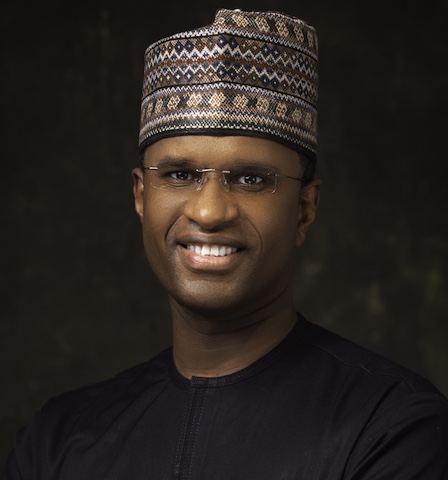
But diehard Obi fans will not want to see him play second fiddle. Obi is the most credible candidate from the South-East in this race. The South-West has several strong candidates, including President Bola Tinubu, Prince Adewole Adebayo, and Governor Seyi Makinde. The North-East has Atiku Abubakar and Mohammed Hayatuddeen. The South-South has Rotimi Amaechi. The North-Central and North-West regions have not produced strong candidates yet.
Maybe the three northern regions are avoiding too many candidates to stop vote splitting?
There are other strategies at play. If you listen closely, you will hear rumors in the North about a plan to create conflict between the South-West and South-East. While the Yoruba and Igbo fight, the Northern elite can work on getting one of their own into power.
At first, this seems silly, but when you think about the words of one long-time politician who sees the ‘North’ as just “I, Me, and Myself,” it makes sense.
The Northern Elders’ Forum and similar groups, who could have pushed their elected governors to fix issues like the almajiri system, are suddenly active during this political season. Critics are asking where they were when Buhari was running for a second term after his lackluster first term.
There will always be competition between different ethnic groups, but I believe the Yoruba and Igbo will not fall for tricks aimed at dividing them. Elections will come and go, but people will stay.
The same goes for those in the North who justify violence and land grabs in the name of seeking revenge for old wrongs. During this election season, we see some people bringing out their past demons in the name of political strategy.
It is tough, but the opposition needs to come together to present their best option or be ready to face defeat as divided candidates.
There are two likely outcomes:
(a) If the election happens with the current candidates (APC, PDP, LP, NNPP), President Tinubu and the APC can still win a national majority, even with fewer votes, thanks to state requirements.
(b) If major opposition leaders like Obi, Atiku, Kwankwaso, and Adebayo form a single ticket, they could unite their core supporters across the South-East, South-South, urban areas, and northern strongholds. This would create a direct race against Tinubu, with a real chance of opposition victory or, at the very least, leading to Nigeria's first-ever presidential run-off.
Comments
No comments yet.