Tinubu’s Economic Reforms Get Backing from APC Leaders
Leaders of the APC express support for President Tinubu's economic reforms, emphasizing the need for patience as the country faces challenges.
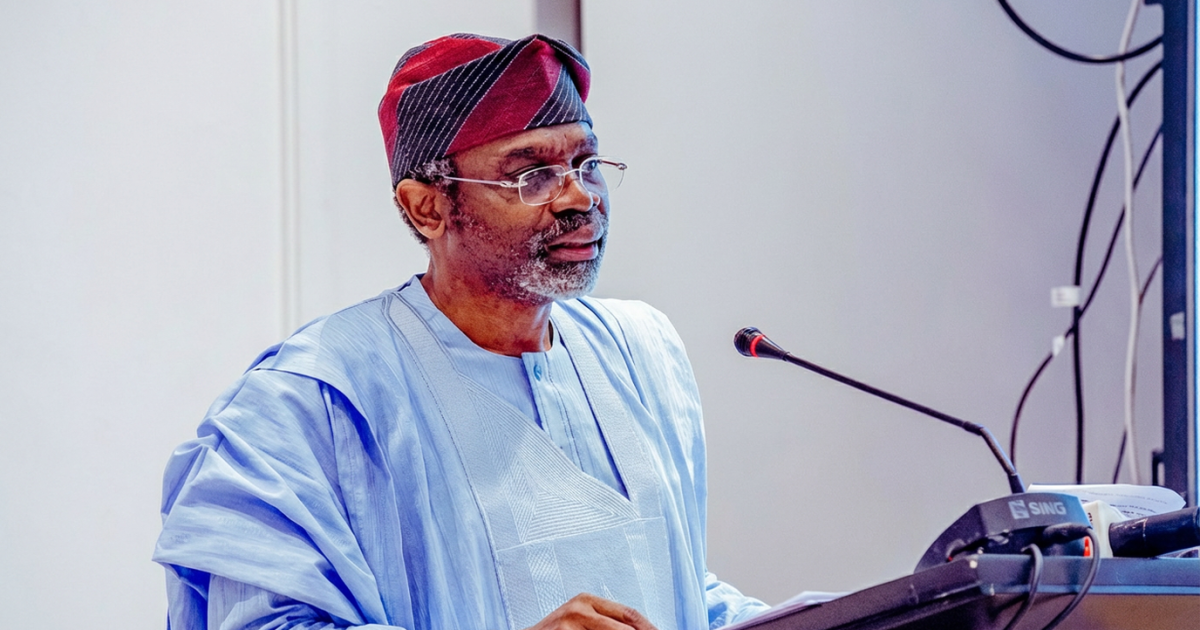
Some leaders of the All Progressives Congress (APC) have backed President Bola Tinubu’s economic reforms. They say these policies have set the stage for future growth, even as many Nigerians face difficulties. They believe the reforms should be given time to show their full benefits.
Femi Gbajabiamila, the President’s Chief of Staff, and Abdulmumin Jibrin, who represents Kiru/Bebeji Federal Constituency in the House of Representatives, spoke on Tuesday during the launch of APC’s 2027 manifesto in Abuja. The manifesto is called From Reforms to Prosperity.
The party leaders asked Nigerians to support the government’s plans as the 2027 elections approach. They claimed that the economic policies and investments in infrastructure are starting to yield results.
Gbajabiamila admitted that removing the petrol subsidy and unifying the foreign exchange system has put a lot of stress on families. But he insisted that Tinubu made the right choices by taking these tough steps. He said, “Now, those decisions have placed real pressure on households. We must speak honestly about that experience, because the people living through it deserve to be heard, and nobody should have to pretend that it’s easy, that life is easy at the moment.”
He argued that not changing the old economic system would have continued to harm Nigeria’s ability to invest in the future. He stated that Tinubu chose to be a leader rather than just a politician. He said, “The difference between a politician and a leader is that whereas the politician thinks about the next election, a leader thinks about the next generation.”
Gbajabiamila said the government’s next job is to make sure that the reforms lead to real improvements in the lives of Nigerians. He mentioned the Nigeria Education Loan Fund, tax reforms, and the Electricity Act as policies that aim to create more opportunities and lessen financial stress.
He said the APC manifesto promises to reduce the number of out-of-school children by half by 2031. It also plans to install seven million more electricity meters and expand health insurance coverage. He noted that the government would need to publish goals, identify responsible officials, and regularly update Nigerians on progress.
“Citizens should be able to see where delivery is succeeding and where it is falling short,” he said.
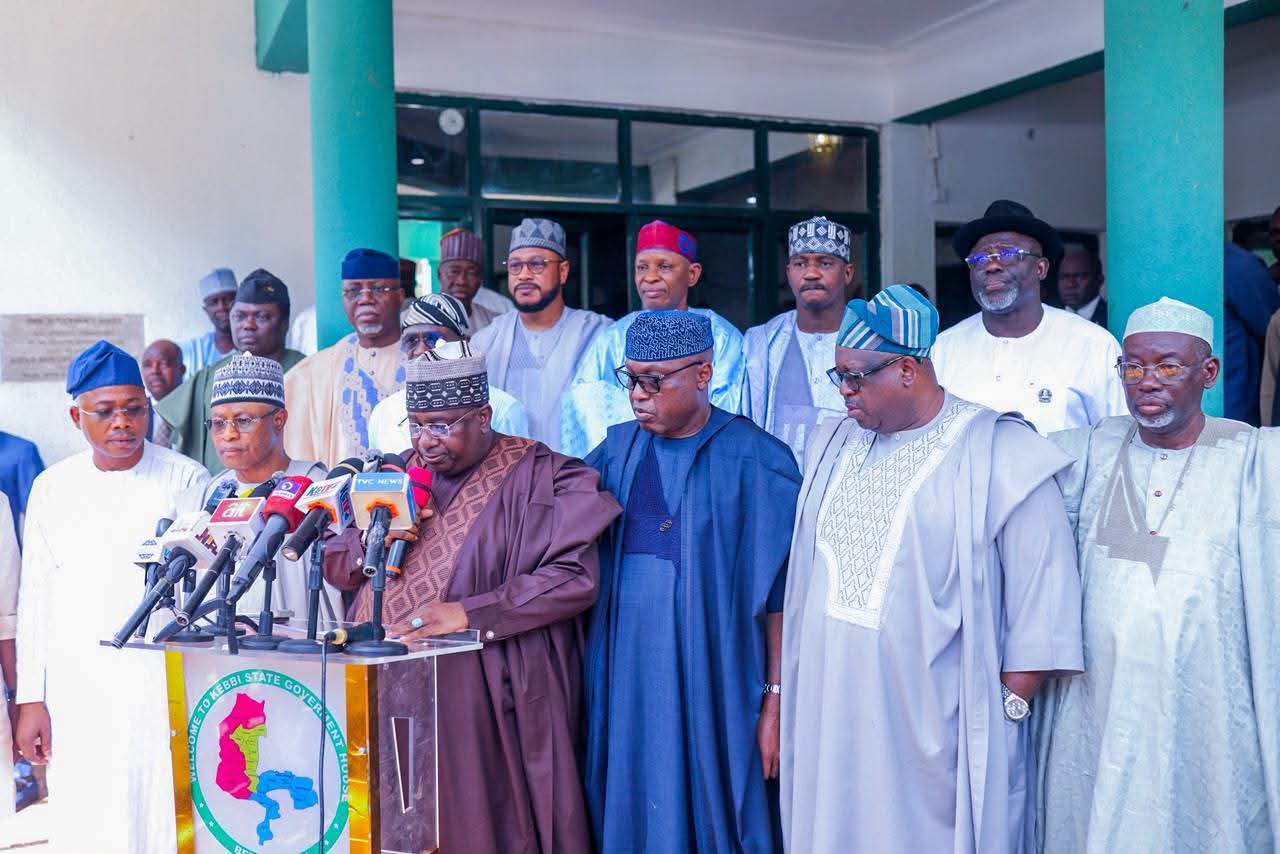
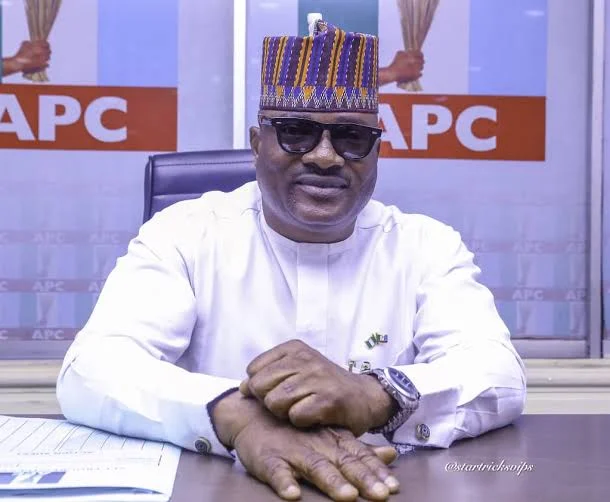
Jibrin also spoke in support of the government's infrastructure efforts, especially its road and rail projects in Northern Nigeria. His comments came as opinions vary among Nigerians in the region. Some say the Tinubu government is ignoring the North, while others believe it has invested significantly there.
Jibrin pointed out that past administrations, which spent three to eight years in power, failed to finish major road projects like the Abuja-Kaduna and Kaduna-Kano highways. He claimed that the Tinubu government has completed the Kaduna-Kano Road in three years and expects to finish the Abuja-Kaduna Road by November or December 2026.
“My brother here, in the Ministry of Works, also did a fantastic job in terms of infrastructure, particularly if I may be biased towards the northern part of the country, where some people claim we have been shortchanged. That is not true,” he said.
Jibrin mentioned the Federal Government’s focus on developing the Dawanau agricultural market in Kano State and completing the Maradi railway corridor that goes through the market. He said, “These are all deliberate actions being taken by this administration.”
On financial management, Jibrin criticized how Nigeria’s finances have been managed over the last 15 years. He described the country's financial situation as poorly handled. He recalled that the national budget was between N5 trillion and N6 trillion during his time in the National Assembly. He argued that the current government has expanded the budget significantly.
“Today, courageously and boldly, we have expanded the budget to about N53 trillion. Yes, we have a deficit, but do not forget that our non-oil revenue, according to the figures I read yesterday from the National Bureau of Statistics, is projected to hit about N33 trillion,” he said.
He defended the use of savings from the petrol subsidy removal. He said states have received much higher allocations from the Federation Account. “I know very well that a state that used to receive an average of N6 billion now goes home with about N40 billion or N50 billion. Yet, someone is still bound to ask what we are doing with the excess funds from subsidy removal,” he added.

Comments
No comments yet.