TMDK Group is Boosting Energy and Food Security in Kaduna
TMDK Group's $75 million agro park in Kaduna aims to improve food security and energy reliability in Nigeria. The facility supports local farmers and agricultural growth.
Along the Kaduna-Zaria Expressway, cars speed by the large TMDK Group site in Rigachikun, Kaduna. They ignore the noise from the processing plants and the chatter among workers at the big agro park.
But quietly sitting beside the road is the TMDK Agro Industrial Park. This facility is estimated to cost $75 million and has the potential to unlock the agricultural wealth of northern Nigeria. It can also tackle Nigeria’s food security issues.
Nigeria’s need for reliable energy and enough food is increasingly relying on private sector investments. These investments create lasting economic value. TMDK Group is making strides in petroleum and agro-industrial processing to tackle two of the country’s biggest challenges. The company is positioning itself at the center of these national goals.
“The dream is to establish agro parks across all the geo-political zones in Nigeria,” says Suhailu Ismaila, the Acting Managing Director of TMDK Agro Park. For now, Mr Ismaila adds, the company is already helping farmers not just in Kaduna but across the country.
The agro park faced challenges during the COVID-19 pandemic in its early construction years in 2019. It was completed in 2024 and is designed as a full integrated hub. It has heavy machinery, including a 1000 metric tonnes per day animal feed plant and a 300 metric tonne Soya processing plant.
“Plans are in the pipeline to introduce pasta and noodles produced from corn,” Mr Ismaila says. He also talks about the company’s plans to produce margarine and mayonnaise using locally sourced raw materials.
Originally called Tamaidukka Investment Company Limited, TMDK Group has become a major Nigerian company. It was incorporated on July 8, 2001. In 25 years, it has grown into a diversified business in energy, agriculture, and infrastructure.
The group includes TMDK Agro Park, TMDK Oil Traders, TMDK Infrastructures, TMDK Terminals, and TMDK Downstreams. These facilities are spread across Lagos, Abuja, Suleja, Ogun, Kaduna, and other important locations in Nigeria.
With strategic investments in petroleum terminals and large-scale agro-processing facilities, TMDK Group is building a strong business model. This model supports energy distribution while adding value to Nigeria’s agricultural sector.
“We source for raw materials from every part of Nigeria,” says Ola Olalere, General Manager of Business & Planning. He adds that the company supports small businesses across different areas.
For example, they get limestone from Edo, wheat bran from Lagos and Port Harcourt, and grains like soya and maize from the North and other regions,” Olalere says.
The TMDK Integrated Agro-Industrial Complex is unique in Nigeria. It processes agricultural products into various food and industrial items for both people and animals.
The facility turns maize, soybeans, and other crops into products like corn flour, corn grits, edible vegetable oil, animal feed, and corn-based pasta and noodles. By combining agricultural processing and manufacturing in one place, TMDK helps boost Nigeria’s food processing capacity. This reduces the need for imported products.
Instead of exporting raw agricultural products, the facility adds local value by converting them into finished goods. This keeps more economic value from Nigeria’s agricultural resources within the country. It also supports local manufacturing, creates jobs, strengthens agricultural value chains, and helps with national food security.
The TMDK Integrated Agro-Industrial Complex is a smart investment in local value addition, food security, and sustainable economic growth. It has the potential to link Nigerian farmers directly to large-scale processing and consumer markets.
Despite its achievements, the TMDK Agro Park is not slowing down.
“Our R&D section is being supported to drive innovation and introduce new recipes,” says Dr. David Onabajo, the Chief Operating Officer at the Park.
Dr. Onabajo says this move is a big step towards local value addition. It reduces reliance on imported food and creates new markets for Nigerian farmers.
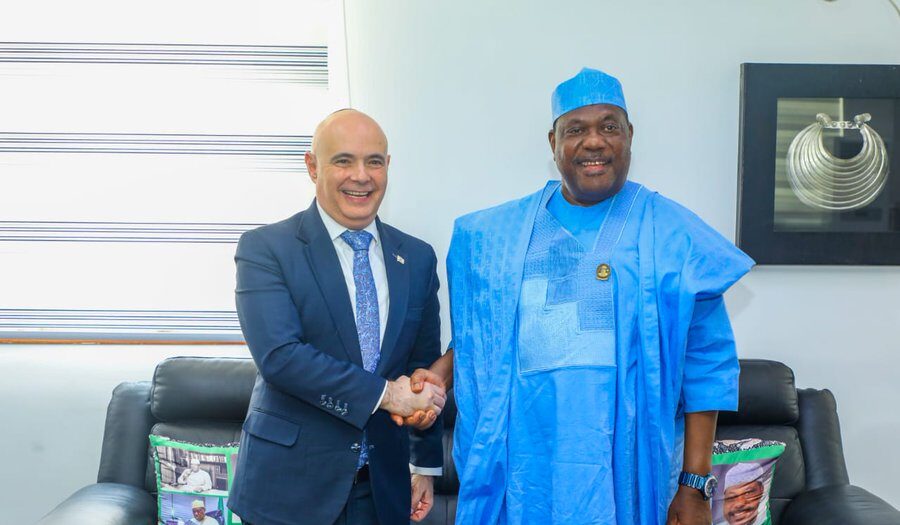
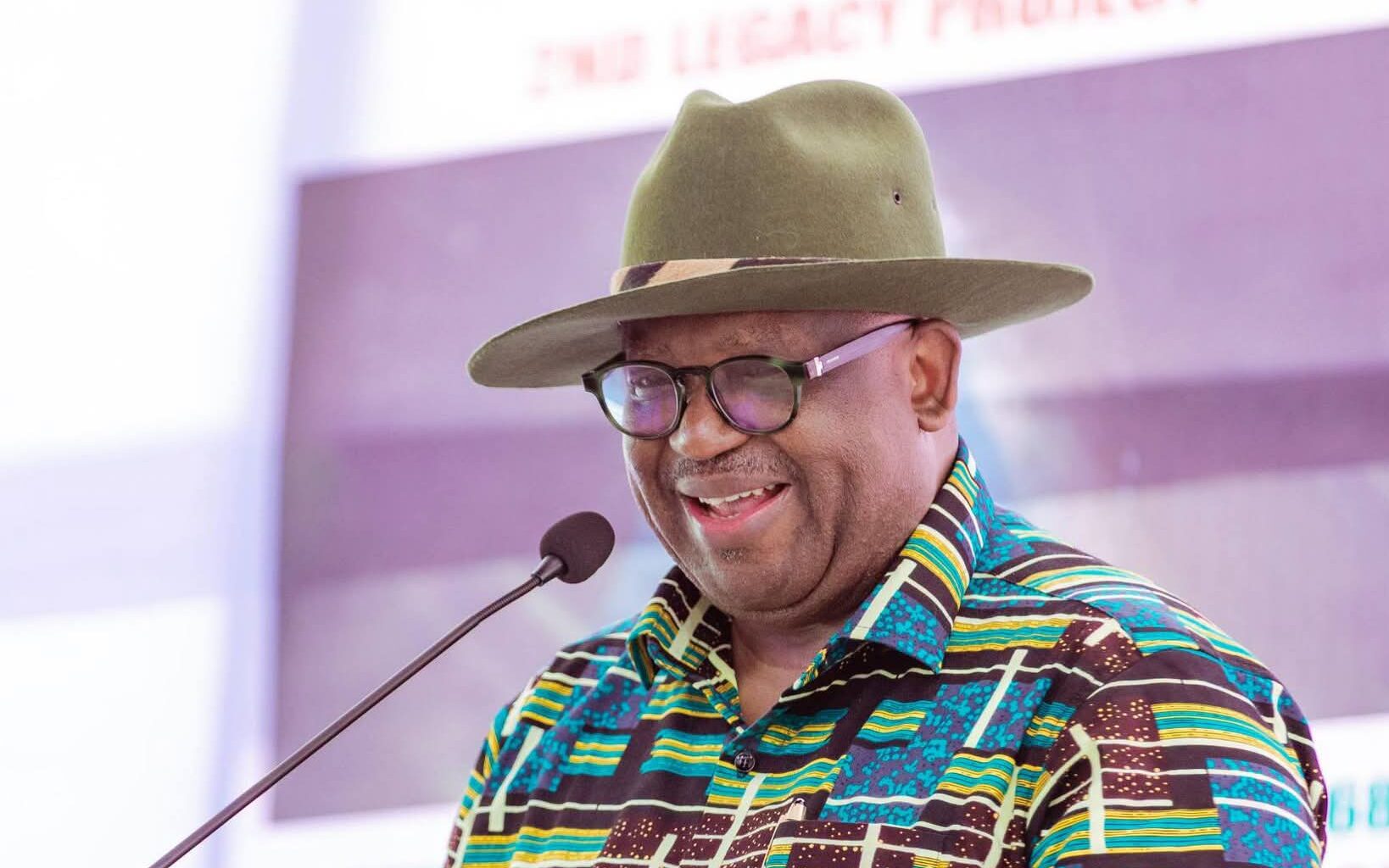
The TMDK integrated agro-industrial complex processes maize, soybeans, and other crops into a range of consumer and industrial products. These include corn flour, corn grits, edible vegetable oil, animal feed, and corn-based pasta and noodles. By processing crops locally, Onabajo says, the facility keeps more value in Nigeria while supporting local manufacturing.
One standout feature of the park is its focus on products that can replace imported wheat-based foods. TMDK’s corn-based pasta and noodles give consumers local options while boosting demand for maize grown by Nigerian farmers. The company also sources materials locally to strengthen rural livelihoods and deepens agricultural value chains.
“Noodles and pasta usually come from flour, but we are introducing corn-based fiber. Our Soya Refinery is also nearing completion,” Onabajo adds.
The Agro Park does more than just food manufacturing. According to Nasmat Anas, the park’s HR analyst, its operations include oil extraction, animal feed production, corn milling, and packaging. This creates a complete ecosystem for households, livestock producers, and commercial customers. The packaging facility can produce over 70 million woven polypropylene bags each year, helping agricultural and industrial users.
TMDK’s investment strategy aligns with Kaduna State's goal of making agriculture a key part of economic growth. This involves adding value, processing food, and improving market links for farmers. The state is promoting partnerships to boost productivity, expand food processing, and strengthen food security.
But there are still challenges, says Onabajo. He explains that the facility needs support for energy supply, better business conditions, and clearer government policies on imports.
For farmers, the agro park offers more than just increased production. Large processors like TMDK provide reliable markets. This encourages more investment in farming and reduces losses after harvest. The agro-industrial project has over 500 workers and is expected to create hundreds of direct and indirect jobs. It also provides reliable markets for thousands of farmers in Kaduna and nearby states.
At the Kaduna facility, the company stands out for its diverse recruitment and management. “The recruitment process is free and fair,” says Tamwakat Barde, the Human Resource Manager. She notes that the company hires the best, regardless of their background. She adds that to give back to the local community, some jobs are reserved for residents.
Uche Orji, acting plant manager at the animal feed section, supports her view. “The company focuses more on skill than ethnicity. It’s a multicultural environment,” he explains.
TMDK also welcomes several expatriates who share knowledge with local workers, says Abba Aminu, the site operations manager.
Haris Khan, a senior production manager at the Soya plant, says the environment promotes innovation and efficiency. He adds that the refinery will be operational by the end of the third quarter.
To encourage productivity, the company gives cash prizes and gifts worth millions to staff each year. Ayomide Augustine, an award recipient, says “the Chairman’s Award made me feel appreciated,” and the money helped him further his education.
Beyond the Kaduna Park, TMDK Group’s petroleum operations are important to Nigeria’s energy sector. After launching its storage terminal in Lagos, the company boosted its storage capacity from 40 million litres to around 70 million litres. This growth is backed by a strong logistics network serving commercial customers across Nigeria.
These investments have improved fuel availability and efficiency in Nigeria’s petroleum sector. By combining storage infrastructure with a distribution network, TMDK is making fuel supply more reliable.
As Nigeria aims to diversify its economy and ensure reliable energy, private-sector investments linking infrastructure and production are key. TMDK Group’s efforts in petroleum logistics and agro-processing show how private money can help national development by supporting energy and food security.
With modern petroleum terminals and an expanding agro-industrial complex, TMDK is not just an industrial giant. It aims to be a long-term partner in Nigeria’s economic growth.
“The goal is to create jobs, earn foreign exchange to help reduce pressure on the naira, and strengthen food security in Nigeria,” says Ismaila, smiling.





Comments
No comments yet.