Tracking Violence Ahead of Osun Elections: 34 Incidents and 18 Deaths
Osun State has reported 34 election-related violent incidents and 18 deaths since May 2026. The situation raises serious concerns about safety during the upcoming elections.
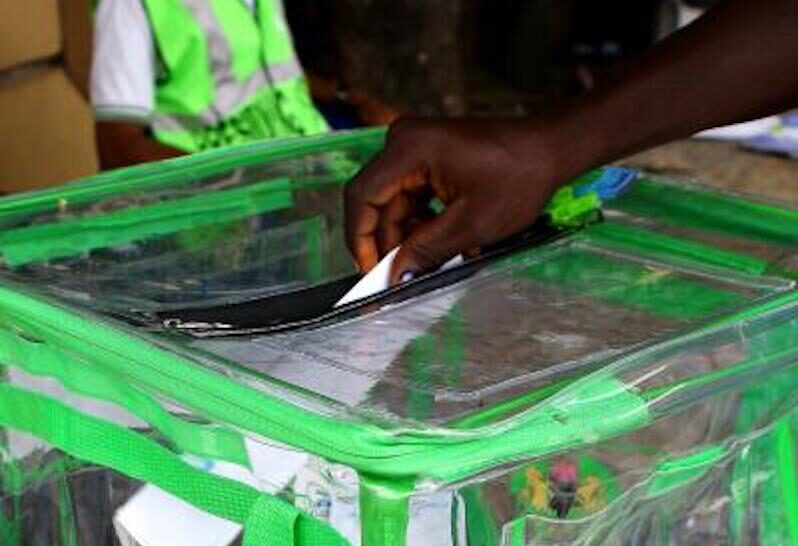
At least 34 incidents of violence linked to the elections and 18 deaths have been reported in Osun State since May 2026, according to CJID’s Conflict Tracker. As voters prepare to cast their votes on Saturday, 15 August, these events raise concerns about safety, participation, and the overall security of the elections. Other reports suggest even higher numbers. The Nigeria Police Force has recorded at least 30 killings categorized as politically motivated in the lead-up to the polls. Political parties have also released their own figures on casualties.
Political parties have been keeping their own records. The All Progressives Congress (APC) campaign claims that twelve of its supporters were killed within just 24 hours. Five were shot during a rally, and seven others were killed on Tuesday while gathering for a big rally in the Igbogi area. The Accord Party has reported that eight of its members were also killed in the last week. These numbers should not be added together, as they come from various sources, cover possibly overlapping incidents, and use different criteria for what counts as a politically motivated death. Still, the differences highlight the challenge of getting a clear casualty count in a situation where political violence, crime, and cult-related attacks often mix.
The police have said some of the violence is due to cult-related revenge. A report confirmed that two people died in the Igbogi and Ikoti areas on Tuesday morning, with two others hurt from gunshot wounds. Even though there are variations in how the violence is counted and attributed, the timeline from the Conflict Tracker shows that violent incidents have increased as the elections approach. Many of these incidents happened around rallies, party meetings, and campaign events.
Where is the violence concentrated?
The locations of the violence offer insight into its dynamics. The most recent activity has happened mainly in and around Ilesa, especially in the Igbogi/Ikoti area and earlier in Egbatedo, where one person was killed and several others hurt before arrests were made and weapons seized. Beyond Ilesa, the Accord Party has pointed to killings in Oriade, Ijebu-Jesha, Ilobu, Ikire, and Osogbo.
Over the longer term, Osogbo has seen a significant number of incidents reported by the Conflict Tracker. Recent violence, however, shows that the threat is not just in the state capital. Events in the Ilesa corridor, Oriade, and other areas indicate that many places will need careful monitoring as voting day nears.
On election day, the official risk map offers another important view. The Independent National Electoral Commission (INEC) has identified 11 local government areas as potential trouble spots: Atakumosa East, Atakumosa West, Boripe, Ede North, Ede South, Ife Central, Ifedayo, Ifelodun, Ila, Oriade, and Osogbo. Several of these areas have already seen violence. Osogbo, the Ilesa corridor, and Oriade are likely to be at the top of any watch list.
The geographical focus of the violence matters. Election violence does not need to happen all over the state to impact participation. A killing at a rally or an attack on party supporters in one area can create fear in nearby places, especially when news and images of casualties spread online.
Why has the violence intensified?
Several factors explain the rise in violence in Osun, but the main one is that the line between political violence and cult violence has become less clear. Police reports have linked some recent killings to cult conflicts, while civil society groups worry about local armed groups and cults being used during political campaigns. This makes it hard to attribute incidents accurately. An event may involve people with criminal or cult ties while happening within a larger political struggle.
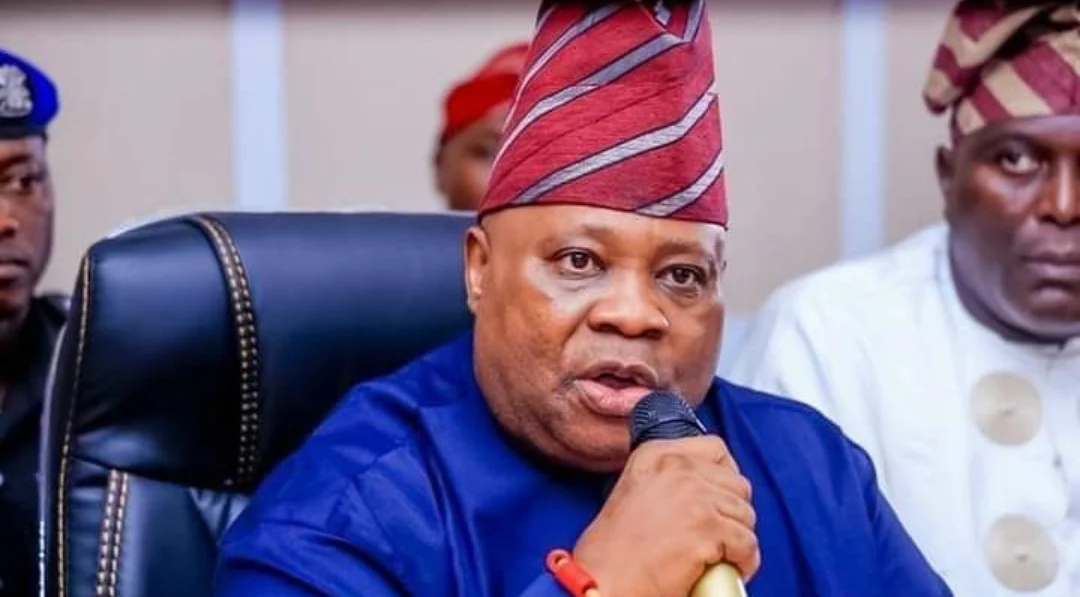
Secondly, the current gubernatorial race has raised the stakes. Governor Ademola Adeleke’s switch to a different party has turned what could have been a typical two-party race into a very competitive fight. Adeleke is the first Osun governor to seek re-election from a party different from the one that first elected him. Meanwhile, the PDP and Labour Party are not on the ballot. This change has created new loyalties on the ground, including a faction of the old PDP led by former governor Olagunsoye Oyinlola that is now backing the APC candidate. The leading candidates are now vying for the same areas, wards, and grassroots networks instead of sticking to traditional party lines. While it is hard to link this realignment directly to specific incidents, it provides context for the ongoing violence.
There is also a pattern of mutual accusations. The major parties have accused each other of attacks on their supporters. This raises the risk of retaliation, especially where political actions overlap with local armed groups. It also complicates the verification of casualty figures, which are becoming part of the political struggle.
Could violence suppress participation?
A big question for election day is whether the violence before the polls will impact participation. Fear can change how people vote, even if no attack happens at a polling station. A voter who thinks it is unsafe to go to a polling place might decide to stay home. Party agents may avoid places where they fear violence. People may also hesitate to show their political views if their supporters have been targeted before. These effects will be hard to measure right away, but turnout patterns in areas affected by violence should be looked at after the elections. The integrity of the elections depends on whether people can vote without fear. Security affects both how voting is conducted and whether people can take part in it.
The Nigerian Police Force has said it will deploy 15,000 officers for the election, with the military ready to support in areas seen as most volatile. This deployment shows how serious the security issues are, but numbers alone won't guarantee a peaceful election. Strong security can help reassure voters if officers are seen as fair. But if trust is low or one party thinks the security forces are on the other side, the deployment can create more tension. On Saturday, the focus will be on how police are positioned, how they react to incidents, whether access to polling and counting centers is fair, and whether similar issues get similar responses in different political areas.
Based on what has been seen so far, CJID’s Conflict Desk highlights campaign events, party meetings, and noted hotspots as areas needing close monitoring until Friday. On election day, the watch will expand to possible intimidation at polling places, interference with electoral materials, clashes among party supporters, and tensions around counting centers.
The time after the elections also needs attention. A close or disputed result could stir up existing grievances from the campaign. How candidates, security agencies, and INEC respond in the hours after counting could influence whether tensions ease or continue.
Turnout will also be a key sign of how people reacted to the election environment. In the 2022 Osun governorship election, participation was around 42 percent. If turnout drops significantly in areas that faced violence, it would need closer examination. This wouldn’t prove that violence caused the drop, but it could highlight where more investigation is needed.
Beyond election day
Security agencies have a clear job: protect voters and stop political actors from using violence to influence participation. INEC must ensure the election process is clear and credible. Political parties should control their supporters and reject retaliation. Civil society and the media need to document violations while avoiding spreading unverified claims.
The 34 incidents and 18 deaths tracked by CJID are not just numbers before the election. They set a baseline for looking at developments on election day and afterward. The immediate test is whether security forces can stop more violence and let people vote freely on Saturday. The longer question is what will happen to the networks, grievances, and political motives tied to the violence after the results are out.
Osun will have a winner after the votes are counted. But it will take time to see if the election will also ease the tensions that led to this level of violence before the elections.



Comments
No comments yet.