UK and Nigeria Strengthen Security Ties at SDP4 Meeting
The Fourth UK-Nigeria Security and Defence Partnership Dialogue in Abuja highlights the growing cooperation between the two nations in security and defense.
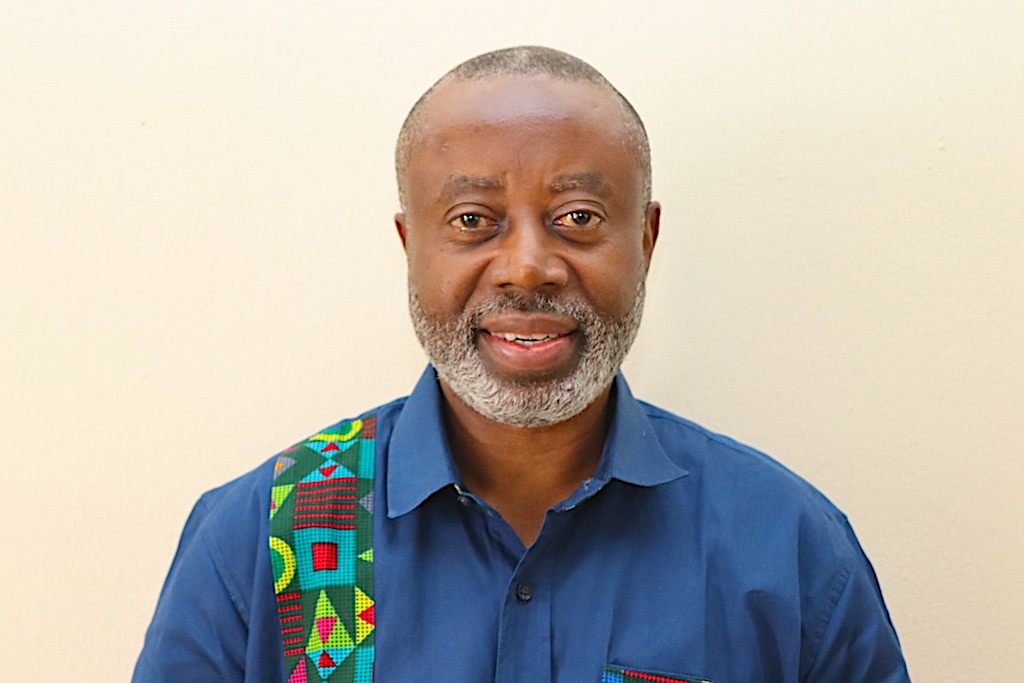
Abuja is hosting the Fourth United Kingdom, Nigeria Security and Defence Partnership (SDP4) Dialogue. This event marks a key moment in the important security relationship between the two countries on the African continent.
More than just a diplomatic meeting, SDP4 comes at a crucial time for both nations and the global security situation. Mallam Nuhu Ribadu, Nigeria's National Security Adviser, said in his opening remarks that the UK, Nigeria Security and Defence Partnership is vital to the broader Strategic Partnership between the two countries. This partnership is built on trust, shared interests, respect for Nigeria's leadership, and a common commitment to peace, security, stability, and prosperity.
Jonathan Powell, the UK's National Security Adviser, echoed this sentiment. He described the Security and Defence Partnership as a strong and equal relationship focused on practical results and shared goals. For both countries, SDP4 represents more than just another meeting; it shows how the partnership has grown into a framework for action and accountability.
Since the first Dialogue in London in 2022, the partnership has grown from security cooperation to a wider platform covering counter-terrorism, cyber security, defense engagement, intelligence sharing, strategic communications, maritime security, law enforcement collaboration, and regional stability projects. It has become a model of cooperation based on shared interests and mutual respect.
This growth is significant. Both Nigeria and the UK understand that current security challenges are interconnected and often cross borders. Issues like terrorism, violent extremism, cybercrime, disinformation, illegal financial flows, organized crime, and hybrid threats require coordinated responses from trusted partners who can combine diplomatic, military, intelligence, financial, and technological tools.
This understanding is the basis of SDP4.
Jonathan Powell pointed out that both countries are facing a complex and changing threat landscape that includes regional instability, cyber threats, disinformation campaigns, and illegal financial activities. Mallam Nuhu Ribadu also highlighted that traditional threats are changing, and new challenges like Foreign Information Manipulation and Interference, AI-enabled threats, and cybercrime need creative solutions.
These views show that no nation can tackle modern security threats alone.
For Nigeria, this partnership is particularly important because it is a regional security leader and a key source of stability in West Africa and the Gulf of Guinea. The UK has consistently recognized Nigeria's leadership in tackling regional security issues and supporting democracy in the area.
The changing security situation in the Sahel highlights the importance of this partnership. Terrorist attacks, coups, arms trafficking, organized crime, and humanitarian issues are threatening stability across West Africa. As both Ribadu and Powell emphasized, stronger global cooperation is necessary to address these challenges effectively.
The progress made since the Third Security and Defence Partnership Dialogue in London in July 2025 shows what cooperation can achieve.
A review by the Office of the National Security Adviser before SDP4 highlights measurable progress in many areas. Better intelligence sharing, stronger counter-terrorism coordination, increased cyber resilience, improved aviation security, more effective disruption of terrorist financing, and better collaboration on strategic communications have all strengthened Nigeria's security.
Counter-terrorism is one of the partnership's biggest success stories. With the help of the National Counter Terrorism Centre, intelligence agencies, defense institutions, and law enforcement, Nigeria is improving its overall approach to fighting terrorism and violent extremism.
The National Counter Terrorism Centre has boosted institutional coordination. Intelligence sharing with international partners has helped disrupt terrorist networks and prosecute terrorism-related cases. Work on crisis response, strategic communications, and counter-terrorism investigations continues to yield positive results.
It is also clear that military action alone is not enough to deal with modern security challenges. Both the Nigerian and British governments have stressed the need for combined responses that include defense, intelligence, law enforcement, diplomacy, cyber skills, and financial tools.
This whole-of-government approach is a key feature of the Security and Defence Partnership.
It is evident in efforts to fight terrorist financing and illegal financial flows. The Nigerian Financial Intelligence Unit has created innovative ways to identify and disrupt financial networks that support terrorism, organized crime, and kidnapping. Collaborative efforts with regional partners in the Lake Chad Basin and the Sahel are helping to uncover and dismantle international financial routes that fuel insecurity.
The partnership is also focusing on building resilience against future and hybrid threats.
Jonathan Powell pointed out that both countries see the rising risks from disinformation, cybercrime, and illegal financial flows. SDP4 aims to create a more organized way to tackle hybrid and state-based threats through better information sharing, joint analysis, and practical cooperation.
This cooperation aligns with priorities set by Mallam Nuhu Ribadu in his opening speech. He noted that information, technology, and data will shape future security. Criminals and hostile actors are using cyberspace, AI, and digital platforms to further their goals, making cyber resilience and information integrity key national security concerns.
Nigeria has made great strides in this area. Working under the Security and Defence Partnership framework, cybersecurity agencies have improved incident response, strengthened digital forensics, and enhanced cyber threat intelligence coordination. Joint exercises, specialized training, and policy development have helped Nigeria better tackle new digital challenges.
Strategic communication has become another key area of partnership.
The ability of hostile actors to manipulate information, exploit divisions, and weaken trust in public institutions is a growing challenge. Under Mallam Nuhu Ribadu's leadership, the Office of the National Security Adviser has stressed that effective security relies on operational success, public trust, citizen engagement, and credible communication.
The National Orientation Agency’s work to counter misinformation, encourage civic responsibility, and strengthen community resilience shows how this philosophy is applied in practice. Through nationwide campaigns and grassroots efforts, citizens are becoming active participants in protecting national unity and resisting manipulation.
These efforts are firmly rooted in a commitment to democratic values, human rights, and the rule of law.
Both Nigeria and the UK understand that lasting security must be based on accountable institutions, civilian protection, and public trust. As Jonathan Powell has pointed out, effective and sustainable security cooperation requires a dedication to human rights, good governance, and civilian safety. These principles are essential for the long-term success of the partnership.
As SDP4 starts in Abuja, both sides clearly want to deepen cooperation in defense, counter-terrorism, cyber security, strategic communications, maritime security, and hybrid threats. The challenge now is to turn that desire into real actions and ongoing commitment.
In the end, the success of the UK, Nigeria Security and Defence Partnership will not be judged by the number of statements made or meetings held. It will be measured by stronger institutions, safer communities, increased regional stability, and better resilience against current and future threats.
The messages from Mallam Nuhu Ribadu and Jonathan Powell point in the same direction: a partnership focused on practical results, strategic trust, shared accountability, and mutual responsibility.
As SDP4 kicks off in Abuja, the future of UK, Nigeria security cooperation looks stronger than ever. Together, both countries are building a partnership that can tackle immediate security challenges while also creating a more stable, secure, and prosperous future for West Africa and beyond.




Comments
No comments yet.