Understanding Zacch Adedeji's Views on Fuel Subsidy
Zacch Adedeji, Chairman of the Nigeria Revenue Service, discusses the consequences of removing fuel subsidies and its historical background in Nigeria.

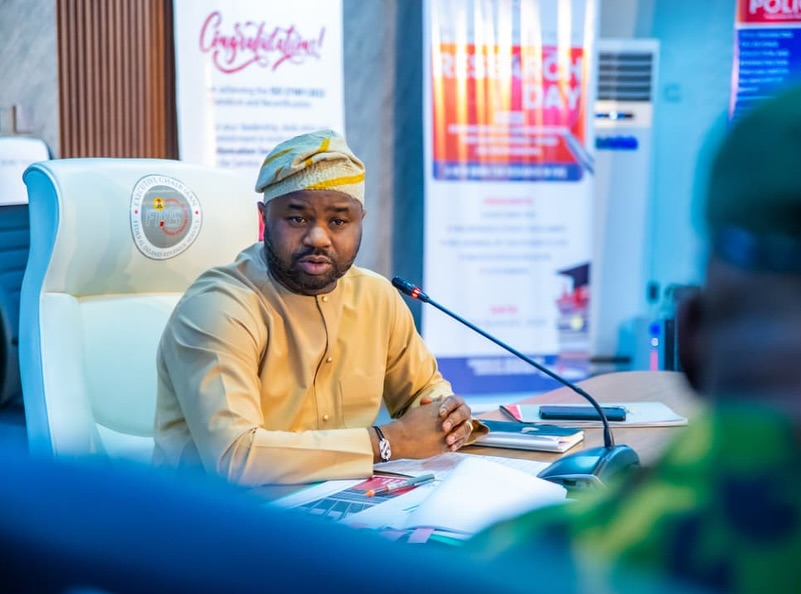
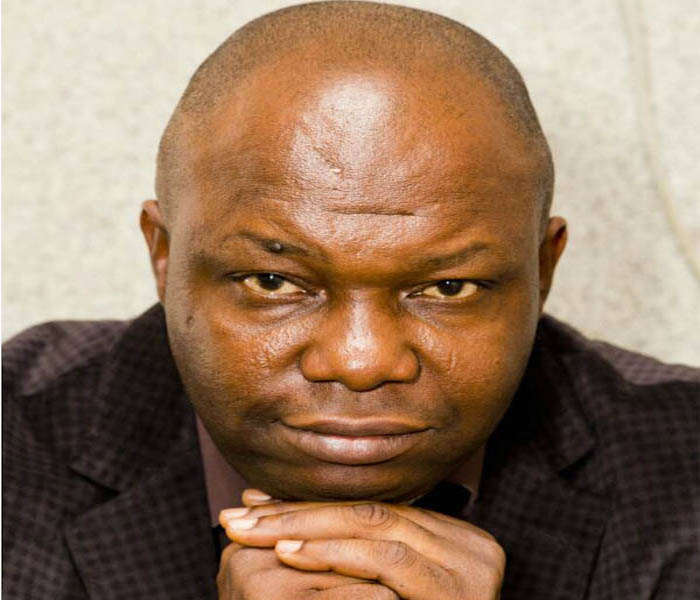
I watched the recent interview with Zacch Adedeji, the Chairman of the Nigeria Revenue Service (NRS), on Sunday Politics on Channels TV. He mentioned, “We would have been spending about ₦53 trillion yearly on petrol subsidy if President Bola Tinubu had not removed the scheme.” This is not what many Nigerians want to hear. The reason is clear, and I don’t need to spell it out. But he said it and opened our eyes to the issues surrounding the subsidy system in Nigeria. What is subsidy, and how has it been funded since it started during General Yakubu Gowon’s time in 1973 to help Nigerians cope with inflation and equalize fuel prices?
In 1977, General Olusegun Obasanjo's military government made it official through the Petroleum Price Control Act of 1977. This act unified retail prices, not just for fuel but for other essential items too. For local pump prices, the government covered the difference between local prices and production or import costs. This is where the subsidy burden began, which nearly overwhelmed the country. During the oil boom in the 1970s, the government used public money to fill the gap without stressing the economy. It was a populist policy meant to be temporary.
Obasanjo has a history of creating populist policies that were meant to be short-term. The problem was that some of these policies became permanent. Over the years, our development faced challenges that affected revenue generation. There were many competing needs as important as subsidizing fuel costs. As time passed, the subsidy system became hard to sustain. But removing it became a political issue, turning into something people talked about all the time.
It wasn’t easy for the governments that followed, but political advisers often pushed against removing subsidy payments while economic advisers spoke quietly. We operated under a fiscal deficit that no administration ever openly discussed. I remember before taking office, Muhammadu Buhari questioned the validity of the subsidy system, calling it a scam created by middlemen. Later, he called it “a heavy burden on the national treasury” and an “unsustainable fiscal drain.” This led to the Petroleum Industry Act (PIA) of 2021.
In 2021, the Emir of Kano, Sanusi Lamido Sanusi, during the launch of his book, For the Good of The Nation, said the “country cannot continue to borrow to fund consumption,” referring to subsidy payments. Ngozi Okonjo-Iweala, former finance minister and Director-General of the World Trade Organisation, during her book launch of Fighting Corruption is Dangerous: The Story Behind the Headlines in 2018, called fuel subsidy “a regressive policy that disproportionately benefited wealthy oil marketers, smugglers, and higher-income car owners instead of the poor it was meant to help.” She said it created “a breeding ground for fraud and rent-seeking” at the cost of national development.
These two examples show some of the heated debates about the fuel subsidy system. But there’s another issue. The issue of borrowing to fund consumption.
The $2.2 Billion Eurobond
A March 2022 report from Premium Times titled “Nigerian govt to use $2.2 billion from Eurobond money for fuel subsidy” revealed our serious financial troubles. The then Finance Minister, Zainab Ahmed, admitted that rising global oil prices put the country in a tough spot due to the import of refined products. With the annual subsidy bill nearing ₦3 trillion and the 2022 net federal earnings at only ₦5.30 trillion (from ₦12.59 trillion gross collected revenue), the numbers didn’t add up. The Federal Government could not finance the subsidy with regular earnings, forcing it to use $2.2 billion in borrowed Eurobond funds for domestic fuel consumption.
What was the economic logic? Looking at the numbers from 2022 and beyond, funding subsidies became mathematically impossible with net federal revenues of ₦11.93 trillion in 2023, ₦21.43 trillion in 2024, and ₦23.06 trillion in 2025. To say the subsidy system was sustainable is simply unrealistic, a classic case of bad economics far removed from reality.
Was Subsidy Sustainable?
Why did we have to borrow to fund the subsidy? This was the main point Zacch Adedeji highlighted when he said the subsidy system had become structurally unviable. Continuously borrowing to support the subsidy is like trying to fill a basket with water. What happens when you pour water into a basket? It all leaks out, no matter how much or how quickly you pour it.
The NRS chair painted a grim picture of what subsidy payments would have been if the President had not stopped it, considering what is happening in Iran and its effect on the global oil market. He said subsidy payments would have taken up over “76 per cent of the Nigerian budget.” You don’t need to be an economist to see the problems that would bring. What were the alternatives if the subsidy was not removed? To keep borrowing for a system full of uncertainties? I believe President Tinubu’s decision to end the subsidy was a necessary wake-up call.
Subsidy Is Not an Income
The NRS boss made his point clear by saying that subsidy is not income. He was right. He questioned the idea that the government should have built a buffer before removing the subsidy. He asked, “What do you call a buffer? Subsidy is not income. It’s like borrowing money to buy something for ₦10 and selling it for ₦3.” This is called deficit-financed consumption, using expensive borrowed money to fund short-term needs instead of creating wealth.
The original purpose of the subsidy system has faded away in a time of dwindling resources that barely meet our needs. Subsidizing consumption when there is extra revenue is one thing; borrowing to fund it is a losing battle that only worsens our financial problems.
According to the NRS boss, there is a big misunderstanding of what the subsidy system really was. It was more complicated than what people think. The decision to end it, though hard for political reasons, was necessary to avoid a worse economic crisis. The NRS boss spoke with the knowledge of an expert and an accountant. For accountants, it’s all about balance sheets. His point was that our balance sheets cannot support subsidy payments as things stand.
In conclusion, no economic or development theory is better than the balance sheet. The reality of the balance sheet is where we evaluate assets, liabilities, cash flows, and debts at their true value. This represents the country’s financial health. And this is very important. We need to move past political concerns in our discussions about the subsidy system and face the facts. Those questioning the subsidy removal are ignoring basic math.
Get more stories like this on your home page
How this story developed
Understanding Zacch Adedeji's Views on Fuel Subsidy (this story)
- Understanding Nigeria's Fuel Subsidy Debate


Comments
No comments yet.