US-Nigeria Partnership May Boost Trade and Security
Nigeria seeks to enhance its non-oil exports and attract investments through a partnership with the US. This collaboration focuses on trade, security, and economic growth.
Nigeria wants to grow its non-oil exports and draw in investments. This is a real test for the US, showing how it wants to blend business, diplomacy, and security in Africa.
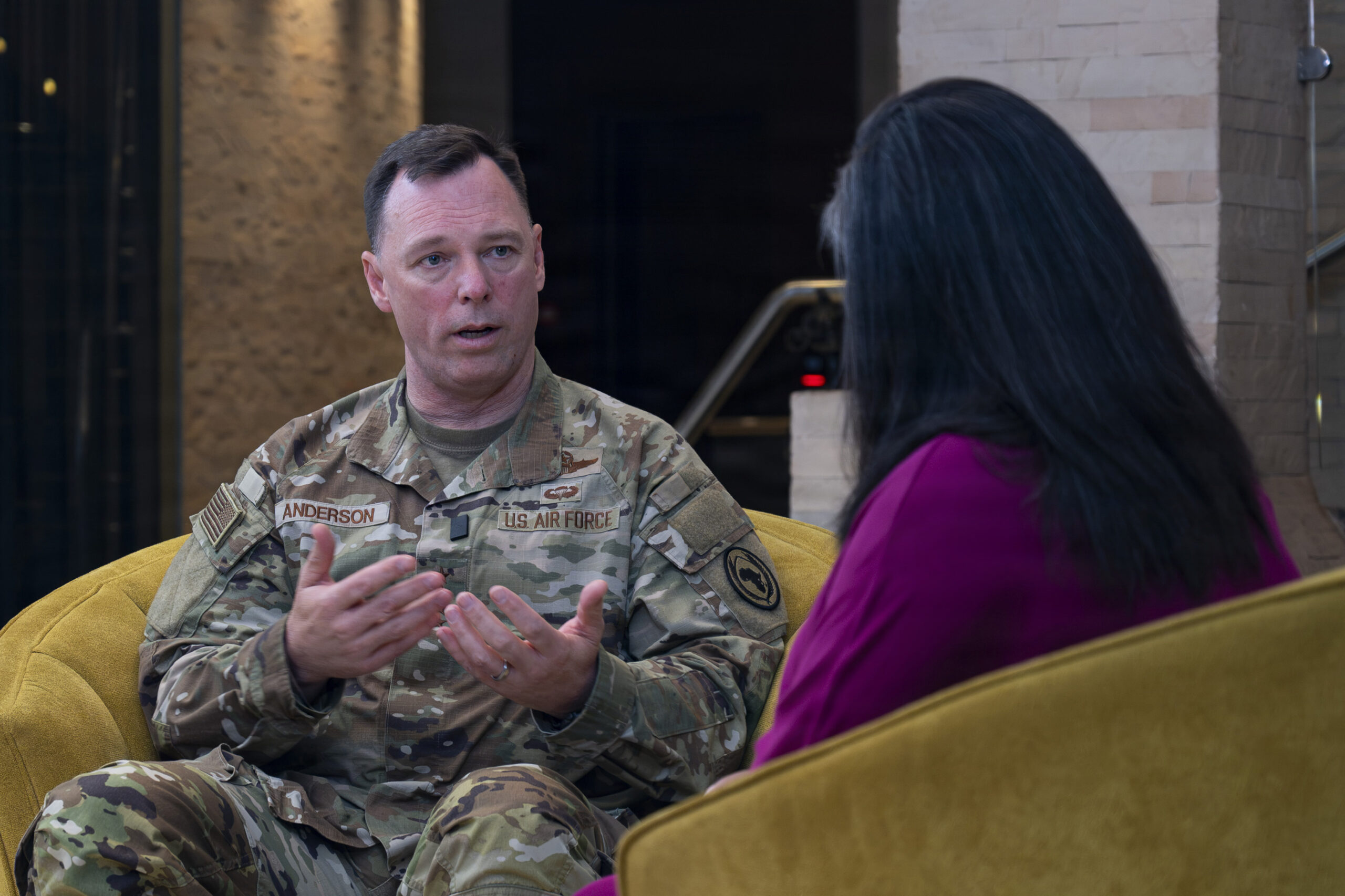
After the Africa Strategic Dialogue at the National Defense University in Washington on 29 October, senior US officials shared their plans. Dagvin Anderson, who leads US Africa Command, named Nigeria as a country keen on meaningful economic ties with the US.
Frank Garcia Jr., Assistant Secretary of State for African Affairs, called this approach an economic partnership. He said both sides must benefit.
“It has to be a good deal for African partners and a good deal for the US taxpayers and industry,” Mr Garcia said.
He also talked about what companies need to do business.
“Conflict impedes companies from building, hiring, growing,” he said.
Mr Anderson discussed the security aspect, saying cooperation should go beyond just military efforts.
“And so we can’t just focus on the security piece,” he said. “We have to look at how we bridge into that stability and investment.”
The business relationship between Nigeria and the US has a strong foundation and clear national goals.
The US, Nigeria Commercial and Investment Partnership started with a five-year agreement signed in July 2024. Working groups began meeting in June 2025, focusing on agriculture, the digital economy, and infrastructure. These groups aim to find and solve trade and investment issues.
This work began before the recent AFRICOM dialogue. The partnership is about business, not a military plan.
In January, Nigeria’s Minister of Industry, Trade and Investment, Jumoke Oduwole, spoke in Lagos about boosting exports and accessing the US market.
She said, “a central priority for us is to accelerate non-oil export diversification and to ensure that more Nigerian businesses can access U.S. markets in a way that is competitive, sustainable, and inclusive,” according to the US Mission’s account.
Her statement gives a Nigerian view of success. Helping American companies in Nigeria and allowing Nigerian businesses to thrive in the US are linked aims, but they need different outcomes.
The working groups were asked to find barriers beyond just tariffs and suggest solutions to policymakers. By January, they had ideas to improve the business climate and support private sector efforts.
This work helps to measure the broader ideas of mutual benefit. For a Nigerian exporter, success means more than just hearing about interest. It means being able to compete, get customers, and sell products under workable terms.
During the October meeting, Mark Mitchell, deputy assistant secretary for the Commerce Department's Global Markets, spoke about business support in technology, energy, manufacturing, critical minerals, and infrastructure.
He made clear that formal Commercial Advocacy cases differ from the department’s general support for business.

This difference is key when looking at commercial chances. A potential deal, a signed contract, a financing plan, and an ongoing project are all different steps. They should not be mixed up as finished investments or local benefits.
In a statement after the roundtable, the US Department of Commerce said, “The Department of Commerce is focused on the mutual wins of trade relationships and commercial deals that can deliver economic prosperity and security. We are working toward a long-term partnering relationship through trade.”
This statement clearly shows the intended link.
William Schirano, deputy assistant secretary for multilateral engagement and market development at the US Department of Energy, also spoke in October. He highlighted energy access and technical cooperation as key elements for broader economic growth.
A public G20 energy ministers’ statement from September illustrates this wider goal. It calls for financing, better distribution systems, and local value chains for clean cooking. It also acknowledges that countries will choose different technologies based on their needs. This statement shows a global commitment, not just a Nigeria-focused project.
AFRICOM's changes show how the military is looking at economic involvement.
Recent news says the command has set up a Defense Economics Office to see how economic activities can improve security. Mr Anderson named Colonel Joshua Stinson as the head of defense economics.
This role goes beyond just promoting investments. It also includes infrastructure, access, and supply chains for critical minerals. It aims to disrupt the revenue of adversaries. This office is part of a bigger context where the US, China, and Russia compete for influence in Africa.
“We’re not looking to replace what Commerce does, by any means,” Mr Anderson said, according to public reports.
This boundary is important. Security needs may affect US involvement, but business talks, financing choices, and Nigerian economic policies are separate matters.
Mr Anderson also pointed out another limit during the October meeting. Making it easier for Africa to access the US economy is not directly his job. But he can help connect African needs with the right institutions and start discussions.
He mentioned that his military resources had been “reduced,” explaining how AFRICOM could keep meeting security goals while working with other agencies.
This approach brings together institutions around shared interests without making them the same.
Ms Oduwole’s goals focus on a more varied Nigerian economy and better chances for Nigerian businesses. Washington wants American profits and security benefits from stronger ties.
For Nigerian businesses, success will show in fewer barriers, secured financing, completed contracts, and delivered exports. For families, the results include jobs, affordable services, and chances to engage in productive economic activities.
Nigeria has made clear what it wants from this business relationship. Now, we need to see if the institutions involved can turn these goals into real results and separate the discussions from the benefits already gained.


Comments
No comments yet.