How Trump's Weakness Could Affect Nigeria and Other African Nations
The Democratic Party's win in the US midterms may change Trump's approach to Africa. We examine potential impacts on Nigeria and other nations.
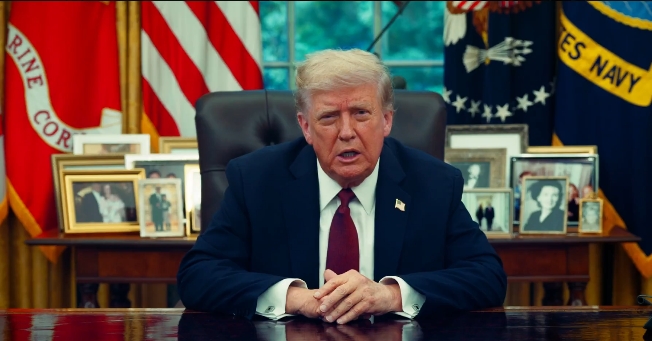
The Democratic Party's big win in the 3 November United States midterm elections changes the political scene for President Donald Trump. With control of both Congress chambers, Democrats can block much of his plans, increase oversight, and challenge his most controversial policies.
For African governments, especially those with tense relations, this could be a chance for relief. But a weaker president does not always mean a softer foreign policy. When faced with Congress blocking his way, US presidents have often turned to executive power.
Three key aspects of Mr Trump's foreign policy in his second term could have a big impact.
First, US diplomacy is now more personal. Mr Trump’s relationships with other leaders matter a lot in deciding what the US focuses on and what it does. Second, with only two years left in his term, Mr Trump will want to secure his legacy with clear peace deals, business agreements, and displays of US power.
Third, US foreign policy is still shaped by its competition with China and ongoing national security issues. The 'Monroe Doctrine,' which emphasizes US control in the Western Hemisphere, shows a forceful approach toward perceived threats. Similar reasons drive US interest in Africa’s vital minerals, markets, and strategic projects.
These three points will likely strengthen each other as Mr Trump works on his goals with fewer ways to get things done and more reasons to achieve visible international wins.
The midterm elections were unique because foreign policy got mixed up with domestic economic issues. Mr Trump's tariffs, military actions in Iran, and bad ties with traditional allies raised wider affordability worries. Still, just because voters pushed back does not mean presidents will drop controversial international commitments. It only changes how they go about them.
After the Republican losses in the 2006 midterms, George W. Bush increased military actions in Iraq. Following significant Democratic losses in 2010 and 2014, Barack Obama used executive power to push through policies that Republican lawmakers blocked. He used regulatory power to advance the Clean Power Plan, deal with Iran’s nuclear program, and negotiate the Paris climate agreement without Senate approval.
Even after Republicans lost the House of Representatives in 2018, Mr Trump continued with unilateral trade actions, strict immigration policies, and other contentious foreign policies. In 2019, he declared a national emergency to get funds for his proposed border wall. Joe Biden also leaned on executive tools after Republicans regained the House in 2022.
Congressional roadblocks can encourage presidents to take unilateral action on their existing priorities.
Congress will not be without power. When Democrats take charge on 3 January 2027, they can probe executive actions, affect foreign aid and defense budgets, block presidential appointments, and stop new Republican laws.
But there are limits. Mr Trump can veto, and Senate rules often require 60 votes to overcome legislative challenges. This will make it hard for Democrats to undo existing policies. Unilateral foreign policy moves by the White House could also hurt Democrats politically if they have to oppose or defend unpopular tariffs, sanctions, and military actions.
For Africa, this means potential winners and losers, influenced more by personal ties and commercial strength than by Congress's feelings. South Africa and Rwanda are especially at risk. This month, Mr Trump said he plans to end both countries' eligibility under the African Growth and Opportunity Act, even though Congress extended the program until December 2028.

In South Africa, tensions have mixed with Mr Trump’s complaints about Pretoria’s local policies and international stance. While strong commercial interests could lead to engagement, Congress's support alone cannot change presidential trade limits. Mr Trump might increase pressure on South Africa to make concessions before he loses his political power.
Rwanda’s situation is more complex. Its cooperation is key to stabilizing the eastern Democratic Republic of the Congo (DRC). Still, Washington’s recent sanctions against its defense ministry show Mr Trump’s readiness to punish partners who do not meet his expectations.
On the other hand, the DRC could become a relative winner. Its vital minerals make it an attractive partner, and Mr Trump's goal for a peace deal offers more diplomatic reasons for engagement.
But these opportunities come with risks. A US government focused on its legacy may prefer public deals and business arrangements over lasting conflict resolution. Rwanda could face more pressure, while the DRC risks trading long-term benefits for short-term diplomatic success.
Kenya, Zambia, and Morocco seem to be in a better position. Kenya’s counter-terrorism efforts, Zambia’s copper resources, and Morocco’s defense capabilities align with US interests.
These strengths could draw in commercial and security partnerships, regardless of who controls Congress. Yet, as China’s growing ties in Africa show, competition among major powers does not always boost African negotiating power.
Kenya and Zambia also highlight the limits of being strategically important partners. Their large US-funded health programs might benefit from strong Democratic support, but the White House still holds significant power, which could lead to political stand-offs over funding.
Egypt and Nigeria share a similar uncertain status. Egypt’s security role has led to US waivers on human rights conditions for military aid. Meanwhile, Nigeria faces increasing pressure over ongoing religious violence while still cooperating on counter-terrorism. For both, priorities could keep bilateral ties strong but also tie African nations to more personal and unpredictable US demands.
Political clashes over spending could cause broader financial instability, worsening the struggles of African economies already dealing with high debt costs and limited access to global capital.
For African governments, the main lesson is that ties with Congress cannot replace a solid understanding of the White House’s priorities. Those who can offer valuable assets while building diverse partnerships will have more ways to act. Others may find themselves more exposed to tough diplomatic actions.
In the end, Mr Trump’s weaker position at home should not be confused with lower ambitions abroad. With fewer chances for legislative wins, foreign policy could become one of the few remaining areas where Trump can chase visible political wins and build his legacy.
For Africa, the midterms might have shifted the US power balance, but the next two years could be more unpredictable for countries engaged in Trump’s transactional diplomacy.

Comments
No comments yet.