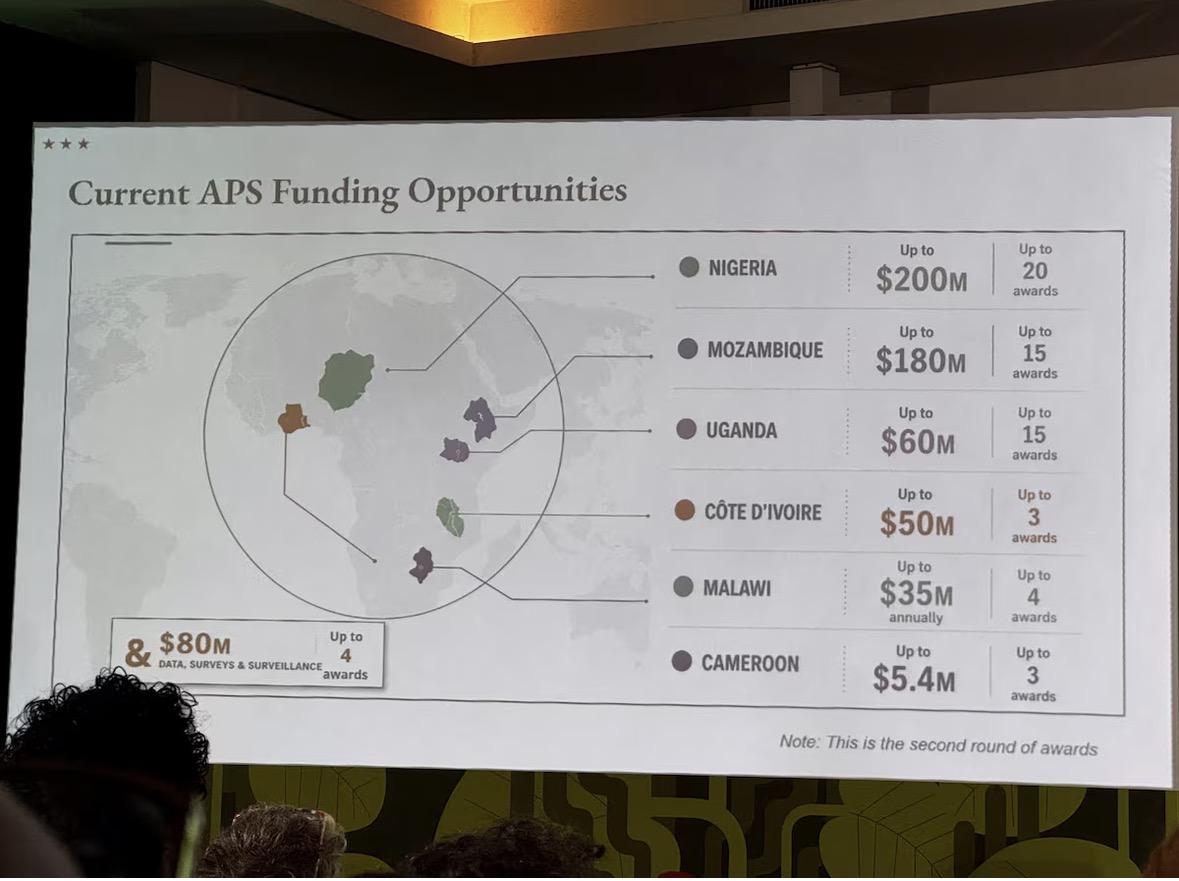
The US State Department showed a wrong map at a global AIDS conference. This map wrongly labelled many African countries, including Nigeria.
This happened at the 26th International AIDS Conference (AIDS 2026) in Brazil, according to Reuters.
During a talk about the State Department’s new global health deals, the map had several mistakes. Nigeria was shown as a landlocked country in the Sahara Desert instead of in West Africa. Mozambique was moved from southeastern Africa to the Horn of Africa. Côte d’Ivoire was also shown in the wrong part of the continent.
People at the conference quickly noticed the errors. They took photos of the slide and posted them online.
Reuters said an analysis of the presentation video showed the map had a watermark. This indicated it was made using OpenAI tools. OpenAI said it is looking into this issue.
The State Department admitted the mistake. They said a staff member rushed to change the presentation just before the session started.
“We take full responsibility for the confusion and misrepresentation it caused for attendees, including our African partners,” the department said in a statement.
Jeff Graham, a senior US health official, delivered the presentation. He oversees the President’s Emergency Plan for AIDS Relief (PEPFAR), which is one of the largest HIV/AIDS programs in the world.
The mistake drew backlash from health and policy experts. They questioned how such big geographical errors got into an official presentation.
Reuters quoted Matt Petit, an expert on artificial intelligence and geopolitics at the Atlantic Council. He said the slide showed a lack of basic geographical knowledge and poor quality control before the presentation.
The wrong map got even more attention after AIDS researcher Emily Bass shared screenshots in a Substack post. The images were shared widely on social media, including LinkedIn.
This incident happened while the US is reviewing its health aid to other countries under President Donald Trump’s administration.
PREMIUM TIMES reported that last year, the administration paused foreign aid funding for a review. This affected health programs in several countries.
While PEPFAR has mostly resumed providing life-saving HIV medicines, the US has cut back on spending in other areas. This includes disease prevention and surveillance.
The administration also plans to reduce PEPFAR operations in South Africa. This shows a larger change in US global health focus.



Drop your comment
No comments yet — be the first to drop the gist 👇