Why Ose Oyamendan's MKO Documentary Took 13 Years and Cost Over $1 Million
Filmmaker Ose Oyamendan premiered his documentary on MKO Abiola, highlighting the significance of the 1993 election annulment and its impact on Nigeria.
More than 30 years after the annulment of the June 12, 1993 presidential election, filmmaker Ose Oyamendan has brought back the life and legacy of late Moshood Abiola in a new documentary titled "MKO."
Mr Oyamendan premiered the documentary on October 1 at the Wole Soyinka Centre for Culture and Creative Arts in Iganmu, Lagos. This event marked Nigeria’s 66th Independence Anniversary.
Prominent figures attended the event, including President Bola Tinubu, Senate President Godswill Akpabio, Lagos State Governor Babajide Sanwo-Olu, and the President’s Chief of Staff, Femi Gbajabiamila.
The documentary hit cinemas across the country on October 2. It takes viewers through Mr Abiola’s life, his political dreams, and the military government's controversial choice to annul the 1993 election.
In an exclusive chat with PREMIUM TIMES, Mr Oyamendan shares what motivated him to create the documentary, why he included Mr Abiola’s eldest son, Kola Abiola, and the stories from key figures who appeared in the film.
PT: What inspired you to make this documentary, and why did you choose the documentary format rather than a biopic featuring an actor portraying MKO Abiola?
Oyamendan: The first reason we had to do it was to fill a gap in our history. Many young people know very little about our past. This creates many misconceptions. So, it was important to tell this story correctly.
I did not train specifically as a documentary filmmaker. I studied filmmaking in school, and documentaries are part of that. But when telling a story like this, you need to rely on facts. I wanted to present the story with evidence, not just interpretations. That is why making it a documentary was important. A biopic often involves editorializing, and I did not want that. We may do that later, but for now, it is important to present this story exactly as it happened.
PT: Are you saying that if you had made it a film with actors playing the roles, some of the facts might have been distorted?
Oyamendan: In a biopic, you need some artistic freedom to show how a person looks and speaks. You can end up changing history. This film is about more than MKO Abiola; it is about Nigeria's crisis, and Abiola is our entry point into that story. That became the film’s focus. When making a biopic about him, how do you start? You need to choose a perspective, and we picked the political crisis perspective. All of this is based on facts.
PT: How long did it take?
Oyamendan: We shot our first scene in November 2013. So, it took 13 years to reach this premiere, but we finally did it. We could have released it in the last four or five months.
PT: Why did you wait this long to tell this story?
Oyamendan: When we started, I thought it was a great chance because some people involved were getting older, and others were passing away. It took us a long time to start because I wanted to include everyone, especially the Abiola family. It was important to get Kola Abiola involved because he is Abiola’s eldest child and was active in the campaign.
Once I secured his participation, we began. We rushed into it and quickly ran out of money. We did not have much funding, and raising money to complete the project and getting key figures to participate at the end was a big challenge.

PT: Did the documentary take a different direction from what you initially planned as you uncovered more of the story?
Oyamendan: It’s interesting. My friend Azaria recently sent me a treatment I shared with him about 17 years ago, in 2009, when I first thought about the project. It was about the same topic I set out to cover, but the journey was different, and I learned along the way.
It was fascinating because most key characters didn’t know the whole story. They all wanted to know, "Did you find out?" I kept telling them, "You’ll see the movie." There were many surprises.
PT: I know you partnered with Nile; what informed your decision to take the film to cinemas?
Oyamendan: This is how films work. We wanted as many people as possible to see it. For me, as a film lover, the usual way is to release a film in cinemas first and then on streaming platforms later. Streaming comes after because some people think we should start with streaming.
I don’t think streaming platforms pay much for African films right now. It’s essential to take it step by step. That’s why we chose this approach, and hopefully, the film will be available on a streaming platform soon.
PT: How much did it cost to make the documentary, and did you receive any funding?
Oyamendan: The movie cost over a million dollars to make. We got some private funding, but a lot came through gap financing. So, we owe a lot of money. It’s our film, but we don’t own it completely. We have to pay that money back, and we hope we can raise the funds.
PT: Before MKO, what other projects had you worked on?
Oyamendan: I’ve worked on commercials, produced films, and directed many series. But this is the first major project I’ve done in Nigeria. I made a short documentary about President Buhari and worked on several other projects, but this is the first big one. This is probably the first major documentary to be shown in a Nigerian cinema.
I’ve also worked on TV series and some major web series. I was involved in Big Brother, which was called Obama at one point. The first major film I worked on was in the Middle East. It’s called As What I Remember? or Other Voices? I’m not sure of the title, and I think it’s on Amazon. We filmed it in Israel and Palestine. It told the story of friends in Gaza who were connected to people in southern Israel, which is at the heart of the conflict. That was my first big project and helped me make a name in the industry.
I don’t know; maybe there have been one or two others. But this isn’t just a documentary like the ones you’ve seen before. It’s more like the story of our lives, and that makes it stand out. In many countries, documentaries have had a big impact when shown in cinemas. I hope this one does well because if it does, it will show others that they can do the same and encourage them to try.
PT: What role did you play in it?
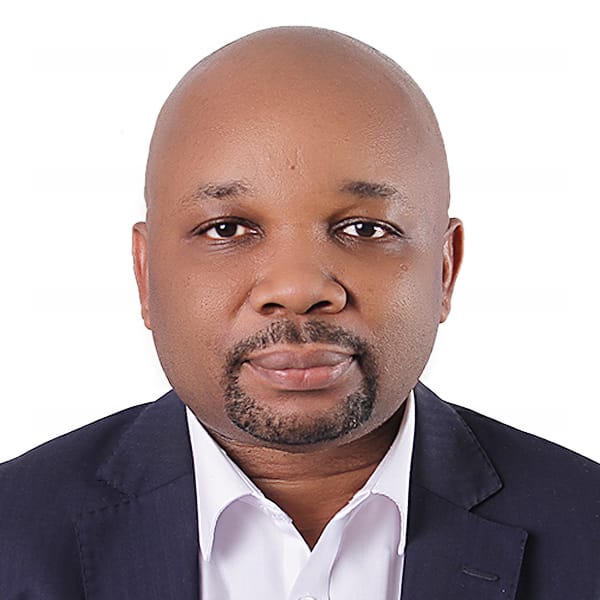
Oyamendan: I was both the director and producer.
Comments
No comments yet.