Rhodes-Vivour promises better healthcare with ambulances for every Lagos ward
Gbadebo Rhodes-Vivour plans to set up emergency response centres with ambulances in every Lagos ward to improve healthcare services and patient transfers.
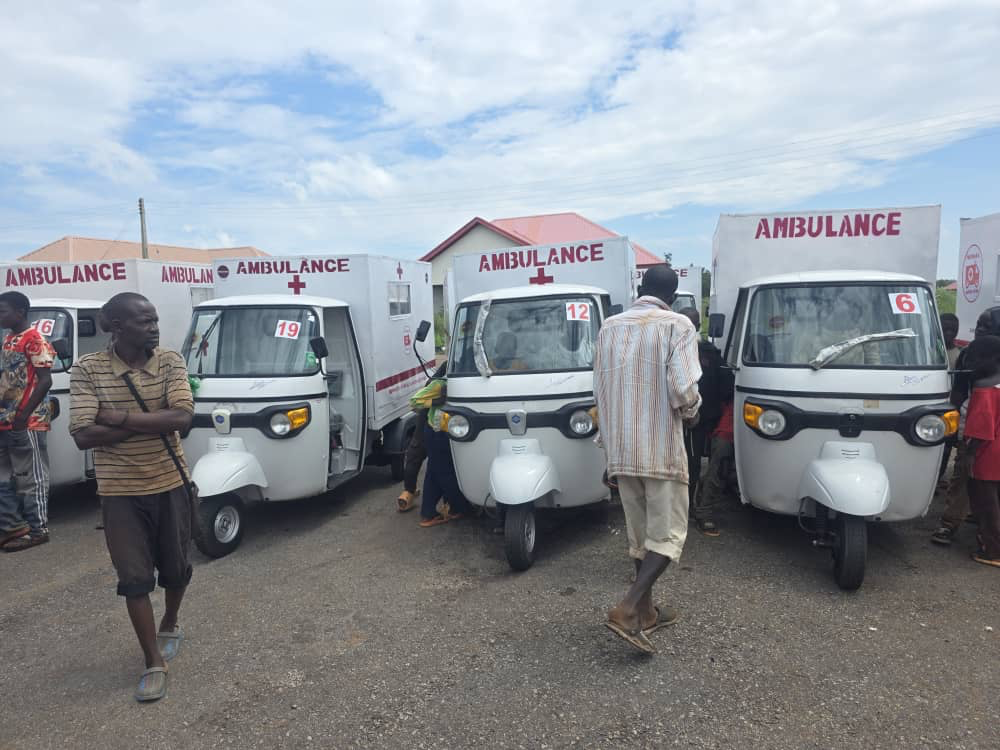
The Lagos State governorship candidate of the African Democratic Congress, Gbadebo Rhodes-Vivour, has announced plans to set up emergency response centres in each ward. Each centre will have two ambulances to improve healthcare services in the state.
Rhodes-Vivour said these centres would connect to a data system. This system would help emergency responders find hospitals with available beds and the necessary facilities to treat patients before they are moved.
He spoke on Friday at the BusinessDay Policy Intervention Series Town Hall with the Organised Private Sector. There, he shared his healthcare plans for the upcoming 2027 governorship election.
The former Labour Party governorship candidate mentioned that this plan would solve the problem of moving patients between hospitals. Often, patients are transferred in search of available beds, which can lead to delays that might cost lives.
"Our focus is first to ensure that we have emergency response services in every ward with two ambulances tagged to that particular emergency response centre," he said.
He explained that the planned centres would use data to manage emergency transfers. This way, patients would go to the right medical facilities after receiving initial care.

"So we are not going to have situations where people will leave that place and be looking for beds or where to go. A lot of people die that way.
"From there, they’re going to call to make sure that there’s a hospital with everything that’s needed after that person has been stabilised to go there," he added.
Rhodes-Vivour also pushed for preventive healthcare. He believes that better access to routine medical screenings and community health programs can ease the pressure on public hospitals. This would also lower the long-term costs of treating chronic illnesses.
He suggested expanding micro health insurance schemes and preventive medicine plans. These would help protect low-income earners from financial struggles due to medical emergencies.
He said that focusing on public health and early interventions would improve worker productivity. This approach could also cut down on government spending on healthcare.



Comments
No comments yet.