World Bank: Local Languages Key for AI Success in Nigeria
The World Bank emphasizes the need for Nigeria to adapt AI to local languages to ensure its effectiveness. This approach can enhance job opportunities and economic growth.
The World Bank has called on developing countries, including Nigeria, to speed up the use of artificial intelligence. They believe this technology can help boost the global economy.
But the Bank warned that AI systems trained on foreign data might give wrong results in Nigeria when used in local settings.
This information came from the latest World Development Report, titled ‘The Promise of Artificial Intelligence’.
The Bank pointed out that developing countries stand to gain more and fear less from AI compared to richer nations. They noted that one out of every six jobs would be improved rather than taken away, contrary to common belief.
The report revealed that less than 10 percent of jobs in developing countries can be automated by AI. In contrast, over 33 percent of jobs in wealthier countries are at risk.
Costs and Benefits of AI
Discussing the costs involved in adopting AI on a large scale, Indermit Gill, Senior Vice President and Chief Economist at the World Bank Group, said that the cost is low for developing countries. He added that they do not need huge investments in data centers or large language models to benefit from AI.
“AI can help tackle important problems with specific tasks even when local computing power is weak, electricity is unstable, and internet service is poor. Small AI models can be set up to work offline on almost any hardware,” Mr Gill said.
The Bank also stressed the importance of adjusting AI to local languages, institutions, and work styles in developing countries.
The financial institution stated, “AI is very sensitive to context.” A tool that works well in one country might not work in another, so it is important to develop AI systems with locally sourced data.
“In Nigeria, a medical AI trained on data from rich countries suggested more lab tests than were needed based on local conditions.
“For most developing countries, the best opportunity lies in tailoring AI to meet local needs,” the financial institution said.

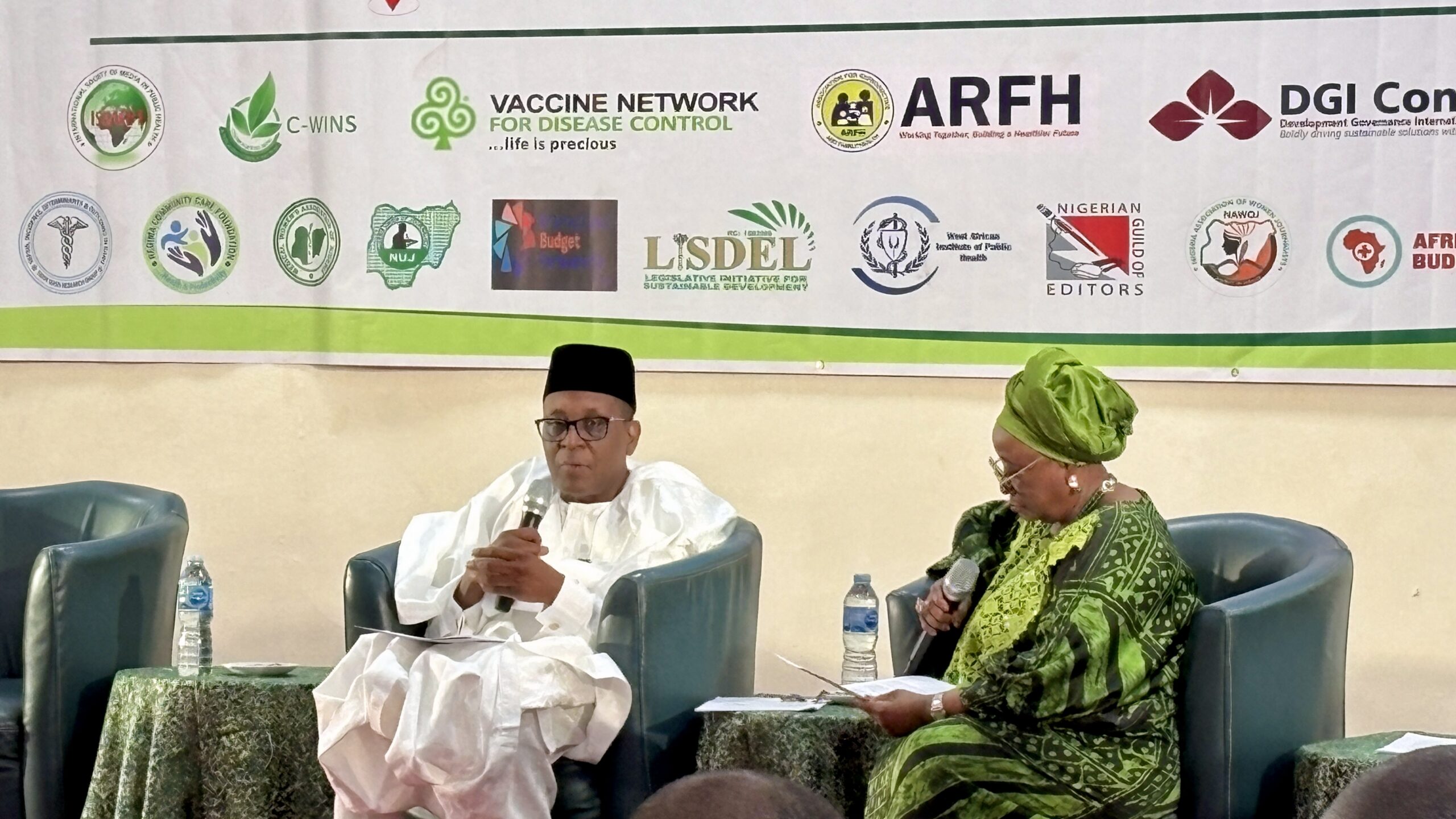
The World Bank encouraged developing countries to gain more control over the technologies they use.
The Bank explained that having control does not mean “AI sovereignty by building every layer of an AI supply chain themselves.”
A more practical approach is to buy models, cloud services, and other AI tools from different countries. This way, they can work together and be changed without needing to rebuild the whole system.
The report, which looked at 777 companies in Nigeria, found that AI use has grown in developing countries compared to past years.
In Nigeria, AI adoption has improved lately. The country ranked 38th out of 135 countries and first in Africa in the 2026 Global Index on Responsible AI in July.
Nigeria scored 45.93 out of 100 for its progress in creating frameworks, institutions, and protections for the responsible use of AI.
The companies surveyed in the World Bank report had different views on how AI could affect business productivity with various adoption scenarios.
According to the report, the fastest adoption scenario could lead to a 21 percent boost in productivity, while a slower scenario might only bring a 2 percent increase.
The Bank mentioned that other studies it reviewed showed AI productivity gains at the task level ranging from about 6 percent to 88 percent, with the highest gains seen in coding.





Comments
No comments yet.