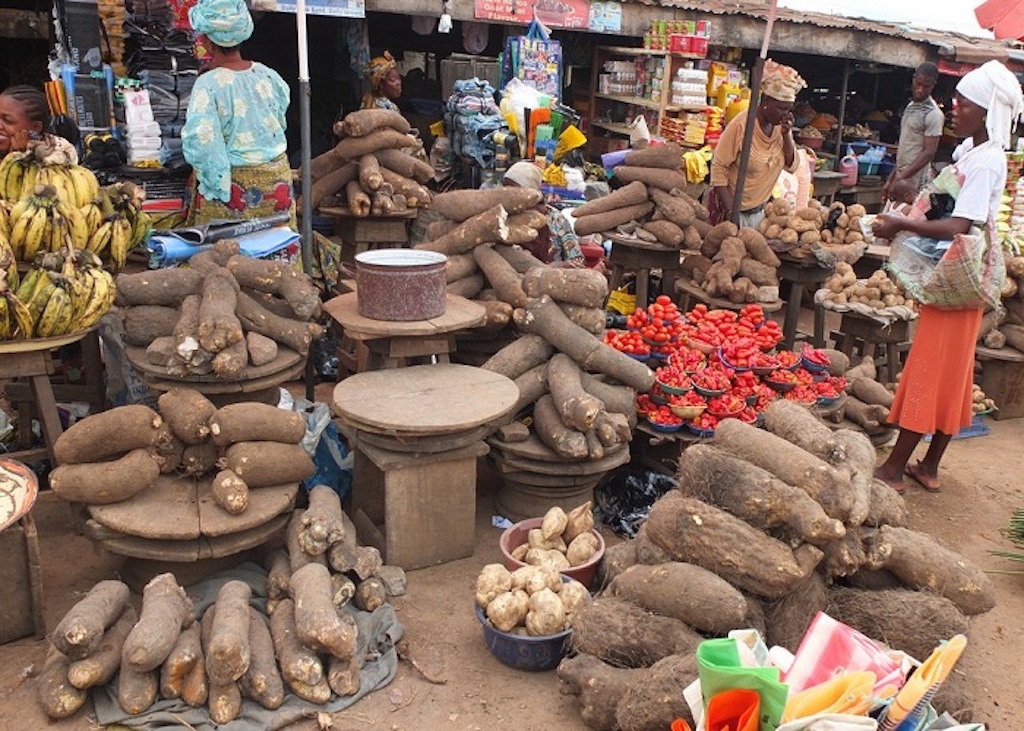
The World Health Organisation (WHO) has said that nearly 2.7 billion people around the world cannot afford the basic diet needed for good health. This is despite some improvements in access to healthy diets in recent years.
In a video posted on X on Tuesday, WHO Director-General, Tedros Ghebreyesus, mentioned that over 200 million more people could afford a healthy diet last year compared to 2021. But he said this progress is still not enough.
Mr Ghebreyesus pointed out that the burden is not equal. Africa is hit hardest, with about two-thirds of its population unable to afford a healthy diet.
Africa faces the toughest challenge
Mr Ghebreyesus explained that Africa has the highest number of people struggling with the high cost of nutritious food. He said about two-thirds of people on the continent cannot afford a healthy diet.
He also warned that the situation is worse in many vulnerable areas. Conflict, displacement, and climate change are causing serious malnutrition, especially among children.
He stated that while the WHO is helping countries tackle the immediate nutrition crisis, governments must also deal with the root causes that make healthy diets hard to get. "We must also act upstream. We know what works," he said.
Suggested policy actions
Mr Ghebreyesus shared several steps that governments can take to make healthy diets more available. These include encouraging breastfeeding, placing taxes on unhealthy foods and drinks while supporting healthier options, protecting children from ads for unhealthy industrially produced foods and drinks, and introducing clear nutrition labels on food packaging. He also mentioned reformulating food products to reduce salt, sugar, and trans fats, and strengthening primary healthcare to manage all forms of malnutrition.
He stressed that these actions would help make healthy diets more affordable and accessible to everyone. "Healthy diets should not be a luxury. They are the foundation of health, and they should be within everyone’s reach," he said.
Nigeria's situation
The WHO's warning reflects Nigeria’s growing problem with affording nutritious foods. Rising food prices mean that common sources of protein often cost thousands of ₦. This makes it hard for many families to get balanced diets.
A balanced diet usually contains carbohydrates, proteins, healthy fats, fruits, and vegetables. These provide essential nutrients for growth, development, and disease prevention. The National Bureau of Statistics (NBS) has shown that food inflation has slowed down recently. But many nutrient-rich foods like vegetables, fruits, eggs, fish, and other protein sources remain too expensive for low-income families.
This situation has added to Nigeria’s ongoing malnutrition issue. The Nigeria Demographic and Health Survey (NDHS) 2023, 24 revealed that about 40 per cent of children under five are stunted, and eight per cent are wasted. This shows the serious effects of poor nutrition on child health.
The affordability crisis is made worse by insecurity in many parts of Nigeria. Conflict disrupts food production, people's jobs, and access to healthcare. PREMIUM TIMES has reported on how armed conflict and displacement, especially in the North-east, have worsened hunger and malnutrition. Families are forced from their homes, limiting access to farmland and humanitarian help in affected areas.


Drop your comment
No comments yet — be the first to drop the gist 👇