Abia State Wants Public Input for 2027 Budget
The Abia State Government is consulting with citizens to shape the 2027 budget. This engagement aims to ensure the budget meets the community's needs.

The Abia State Government has started talks with citizens and stakeholders. They want to find out what areas should be prioritized in the state’s 2027 budget.
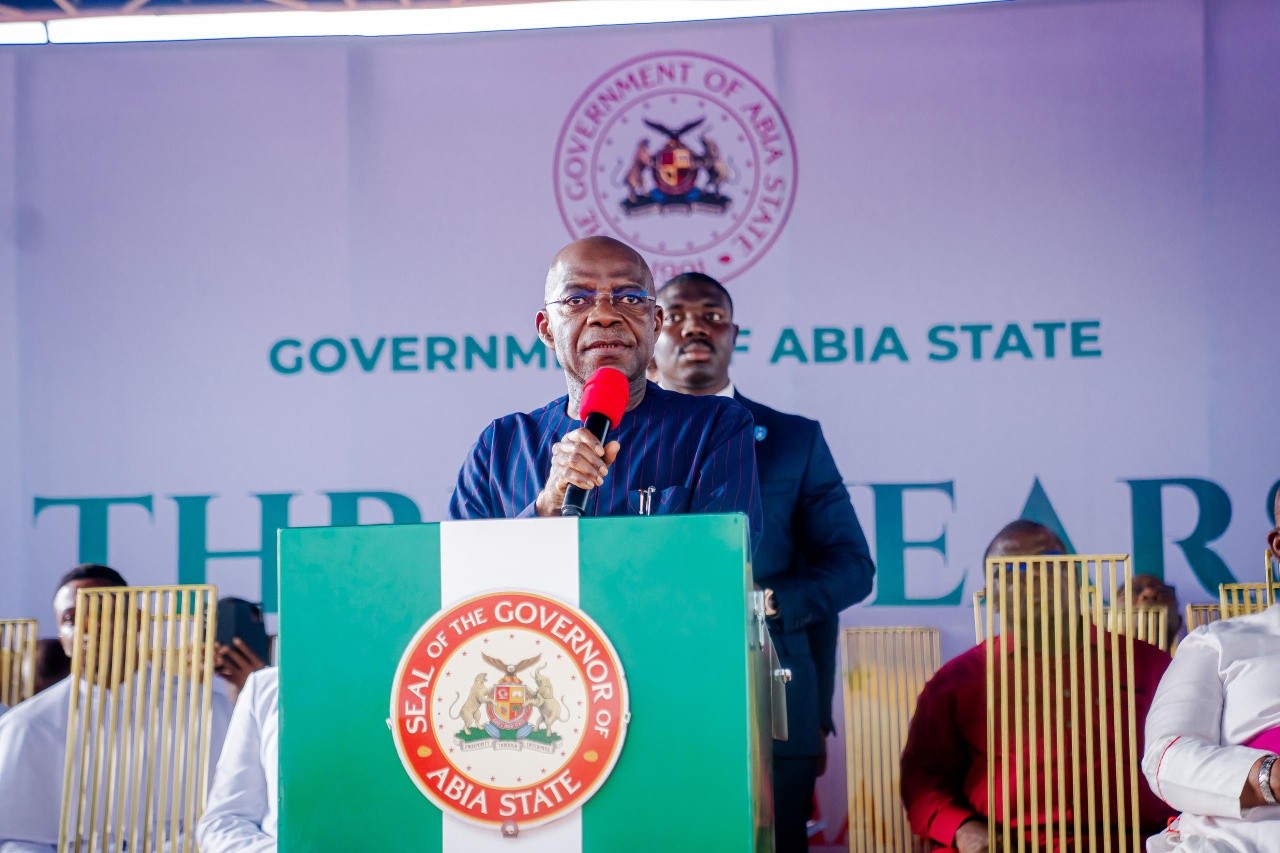
The Commissioner for Budget and Economic Planning, Kingsley Anosike, shared this information at a Citizens’ Engagement Forum. This event took place at the Aguiyi Ironsi Conference Centre in Umuahia on Thursday.
Mr Anosike explained that the goal of this engagement is to make sure the 2027 budget reflects the needs and wishes of the people. He stressed that this consultation is very important because this budget will be the last one for the current administration.
He said that the input from citizens will shape the priorities and projects included in the final budget plan for Abia State. The government does not want to create the budget without considering what the people think.
“We do not want to go into a room and build a budget that does not speak to the needs of the people we serve,” he said. “That is why Dr Alex Otti has mandated that we invite you, a cross-section of the public, into this kind of forum.”
Mr Anosike added that they want to update everyone on what they have done so far this year. This includes a scorecard from January to June and plans for the future to prepare the 2027 budget.
He mentioned that earlier citizen engagements have influenced government decisions. For example, the latest batch of electric buses was redesigned to include ramps for persons with disabilities because of feedback from the public.
The government even canceled an order for 20 buses after stakeholders expressed concerns about accessibility for persons living with disabilities during a previous engagement.
The Special Adviser to the Governor on Budget and Economic Planning, Eric Egwuibe, explained that the state’s spending is divided into different sectors. These include administration, economic, law and justice, and social development.
While reviewing the 2026 budget performance for the first six months, he noted that N64 billion was set aside for administration, N550 billion for the economic sector, N13 billion for law and justice, and N387 billion for the social sector.

Mr Egwuibe emphasized that the economic sector is very important. Investment in infrastructure and productive activities can boost economic growth and increase the state's revenue.
He also mentioned that the Otti administration has made budget documents and quarterly reports available to the public. This shows their commitment to being transparent.
Looking ahead to the 2027 budget, Mr Egwuibe said the state government is using key economic assumptions from the National Bureau of Statistics. He listed these assumptions as 15.9 percent inflation, 4.3 percent GDP growth, a $60 per barrel oil benchmark, crude oil production of 1.7 million barrels per day, and an exchange rate of N1,432 to the US dollar.
He pointed out that these assumptions suggest the state might have less money available in 2027 compared to this year. Therefore, he encouraged citizens to manage their expectations and focus on projects that will have the biggest impact.
During the engagement, the Acting Clerk of the Abia State House of Assembly, Promise Onwukwe, and Innocent Nwaigwe from Okaiuga Alaike Autonomous Community praised the government for involving citizens in the budget process. They called on stakeholders to support the current administration’s New Abia initiative for everyone's benefit.
In his remarks, the Chairman of the Abia Disability Commission, David Anyaele, appreciated the government for promoting disability inclusion. He highlighted the improvement in accessibility of public infrastructure.
Mr Anyaele, represented by Ikenna Ebiri-Okoro, specifically mentioned the installation of ramps in government buildings as proof of better consideration for persons living with disabilities.
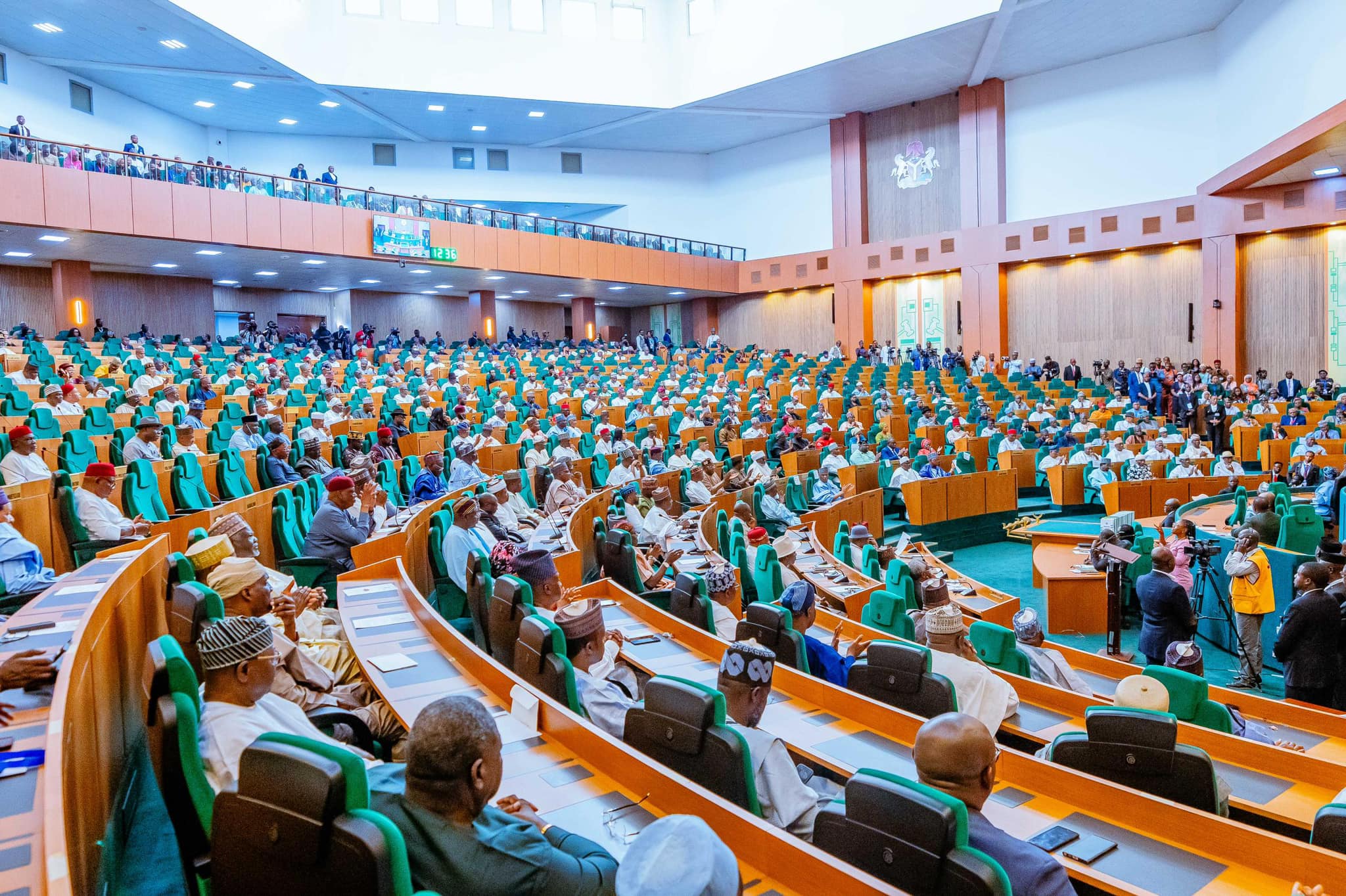
The event had many attendees, including top government officials, traditional rulers, civil society groups, and other stakeholders. There was also an interactive session where participants shared concerns and suggestions about policies, budget priorities, and service delivery.
Comments
No comments yet.