Afrilition: Understanding Blackness and Identity
Afrilition delves into the challenges of defining Blackness as an identity, exploring its significance in community and self-love.
One of the toughest things to talk about in writing Afrilition is discussing Blackness as an identity. This identity has seen many people fight for it and even lose their lives. Many people, including me, find self-love and affirmation in it. This identity has shaped my adult life and defined how I contribute to my community and teach my children. At first glance, it seems clear: the world we see is black. This is a good rallying call for the wider diaspora and future generations. Recently, we saw Togo lead the vote in the United Nations to change the Mercator map. This map has misrepresented the world since the 1600s, helping Europe create an empire while reducing Africa to a mere illusion. Some argued this misrepresentation made sea travel easier. But it has not helped raise children to understand a complex world. The usual Western logic offers an easy tool but leads to loss of wisdom and pride. In February 2026, the African Union adopted the Equal Earth projection. This map offered a fairer view of the world despite the objections from the only superpower. A fair world starts with a fair map, said the Togolese Foreign Minister. Who can argue with that when African unity brings global support and challenges the superpower's position?
Understanding the challenge of Black as an identity is tricky. This identity can oversimplify our diversity, reducing the real power of being African to a stereotype based on skin color. From the time of being called Negro to celebrating the power of Black in all its shades, we still miss the deeper complexities of African identities. Often, to highlight the power of being the origin of humanity, we have reacted to the actions of those who have harmed us. We define skin color and Melanin to explain our identity. But it is not that simple. All humans have African roots, but not all are black. Not all dark-skinned people have the same shade. Africa represents all humanity, even if not everyone identifies as African. The fear of accepting an African origin reveals the second part of Afrilition, which is choice. Africa should not force itself on others or create a hierarchy in the world. Even though it is the root of all modern human life, choosing to identify with Africa should be a willing act, not one done under pressure. All humans can trace their ancestry to one African woman, our genetic Eve. Denying our African roots is denying our humanity.
The big challenge ahead is how the diverse humanity in Africa can build a strong and believable future. This future should offer an alternative to the greed and exploitation seen in what is now called Western civilization. Many believe the way forward is to unite under a shared identity and ideology that replaces what dehumanizes us. Afrilition opens the door to variety, showing that Africa’s uniqueness comes from abundance and diversity. We must embrace our natural variety and engage in honest dialogue. This will help us adapt to the world around us. We should recognize that it was the many ethnic nations that confused self-interest with harming their neighbors, giving space for outsiders to exploit millions through violence and suffering. These were not just tribes but complex societies that saw God in their likeness. These differences often keep us trapped in cycles of scarcity and competition. We have two generations to explore our potential, starting with self-love that acknowledges our cultural flaws. We need to love ourselves enough to strive for better. We should see that our differences within our ethnic groups are often greater than those we label outsiders. Afrilition is about embracing our shared humanity, built through love, struggles, and kindness. We need to use the African world as a foundation so that future generations can work together, even when they disagree, and build on understanding various perspectives.
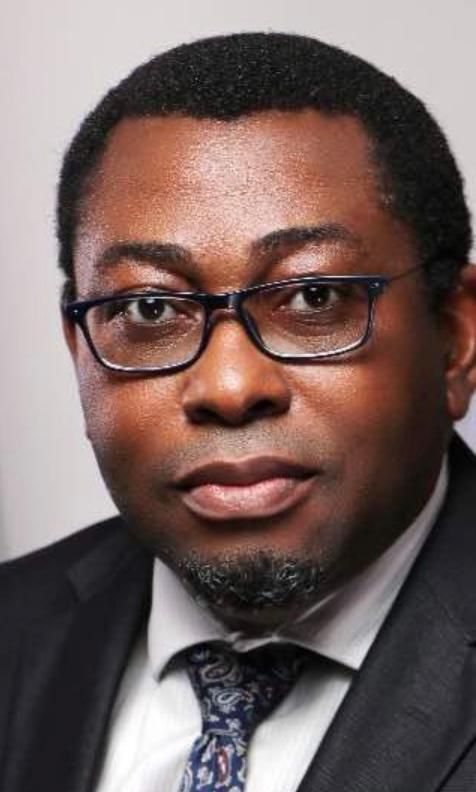

Black identity comes with a simplicity that even the color cannot accept. Sadly, those who shaped this identity often did so as a reaction to whiteness. In Afrilition, Africa stands as the main identity, but we will not reject those who choose to identify as Black. Being black comes with challenges that cannot be ignored, but we must build a future that welcomes everyone who wants to express their humanity based on its origin. This origin is the source of deep spiritual strength. It is in what my ancestors call Oyé that we find the light of understanding and a new dawn of awareness that many have missed. Afrilition is Oyé brought to life.




Comments
No comments yet.