Calls to Drop Charges Against Kaduna Journalist
LEDAP calls for the charges against journalist Farida Isiak to be dropped. The 23-year-old was arrested after a Facebook post criticizing police actions.
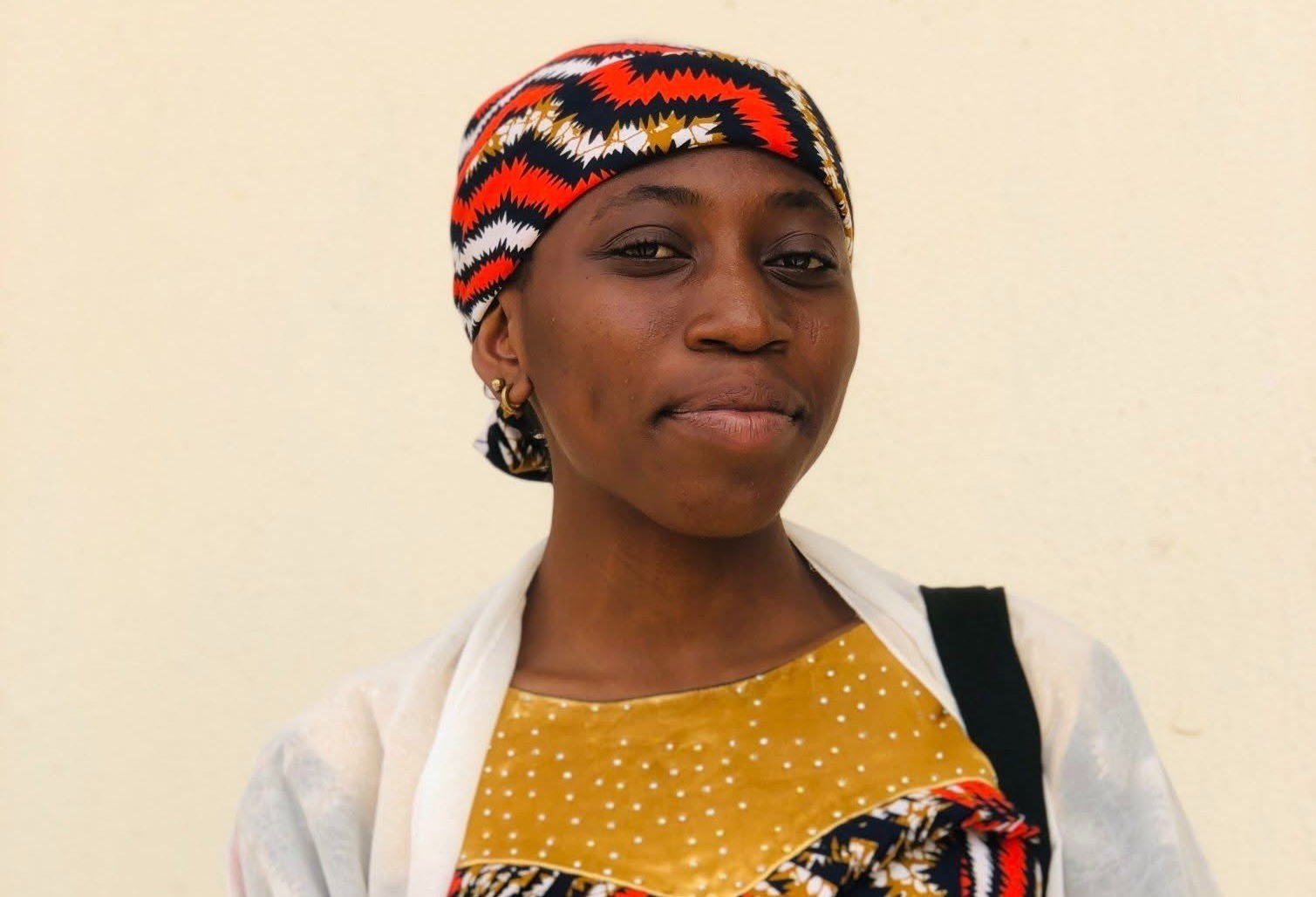
The Legal Defence and Assistance Project (LEDAP), a nonprofit group focused on human rights and the law, has asked for the withdrawal of criminal charges against Farida Isiak. She is a 23-year-old journalist with Nagarta Radio in Kaduna State. The charges are linked to a Facebook post where she criticized the police.
LEDAP also wants an independent investigation into the actions of the police officers who arrested her and detained her parents.
In a statement released on Thursday, LEDAP noted that recent reporting by the International Centre for Investigative Reporting (ICIR) raised new worries about how Ms Isiak was arrested and charged.
PREMIUM TIMES reported that the issue started on 19 October when Ms Isiak's mother had a disagreement with a neighbor over ₦100 change from a charcoal sale.
Family sources said that Ms Isiak's mother sold ₦400 worth of charcoal to a girl sent by the neighbor. The girl paid with a ₦500 note but was told to take the charcoal and come back with the money. When she finally paid, Ms Isiak's mother gave her ₦100 as change.
The next day, the neighbor returned to buy more charcoal and claimed she did not receive her change from the previous transaction. The argument got worse, and the neighbor brought another woman before police were called to the scene.
As PREMIUM TIMES reported, police arrested Ms Isiak's mother. Her father was also taken in when he went to the police station to help his wife.
Family sources said the police held her parents to pressure the journalist into reporting to the station.
Ms Isiak had criticized the police on Facebook about her parents' arrest. PREMIUM TIMES reported that officers accused her of defamation and told her to delete the post and apologize to Usman Adamu, the Divisional Police Officer (DPO) of Mararaban Jos.
She agreed, hoping this would lead to her parents being released. But the police later detained her as well.
On 21 October, she appeared in a Sharia Court in Kawo, where she pleaded guilty to the defamation charge. She was sentenced to four years in prison or a ₦1.75 million fine.
After her lawyer, Mukhtar Abubakar, intervened, the court overturned the initial decision and allowed her to enter a fresh plea. She pleaded not guilty and was granted bail, according to PREMIUM TIMES.
LEDAP's statement referenced an ICIR investigation published on 2 November titled 'How Police Allegedly Discarded Due Process in Kaduna Journalist’s Arrest.'
The investigation included Ms Isiak's claims that police detained her parents to force her to report to the station about her Facebook post.
She also alleged that officers told her to delete the post and apologize to the DPO before they would release her parents.
LEDAP said the detention of her parents raised concerns about “arrest by proxy,” which is against Section 36 of the Nigeria Police Act 2020.
This law does not allow the police to arrest someone in place of a suspect.
"The reported facts warrant an independent examination of the legal basis for the detention of her parents and the actions of the officers involved," the statement said.
The organization also raised concerns about the fairness of the police investigation. The DPO, who was criticized by Ms Isiak, was supposedly involved in the investigation.
LEDAP expressed worries about a possible conflict of interest and the misuse of police powers.

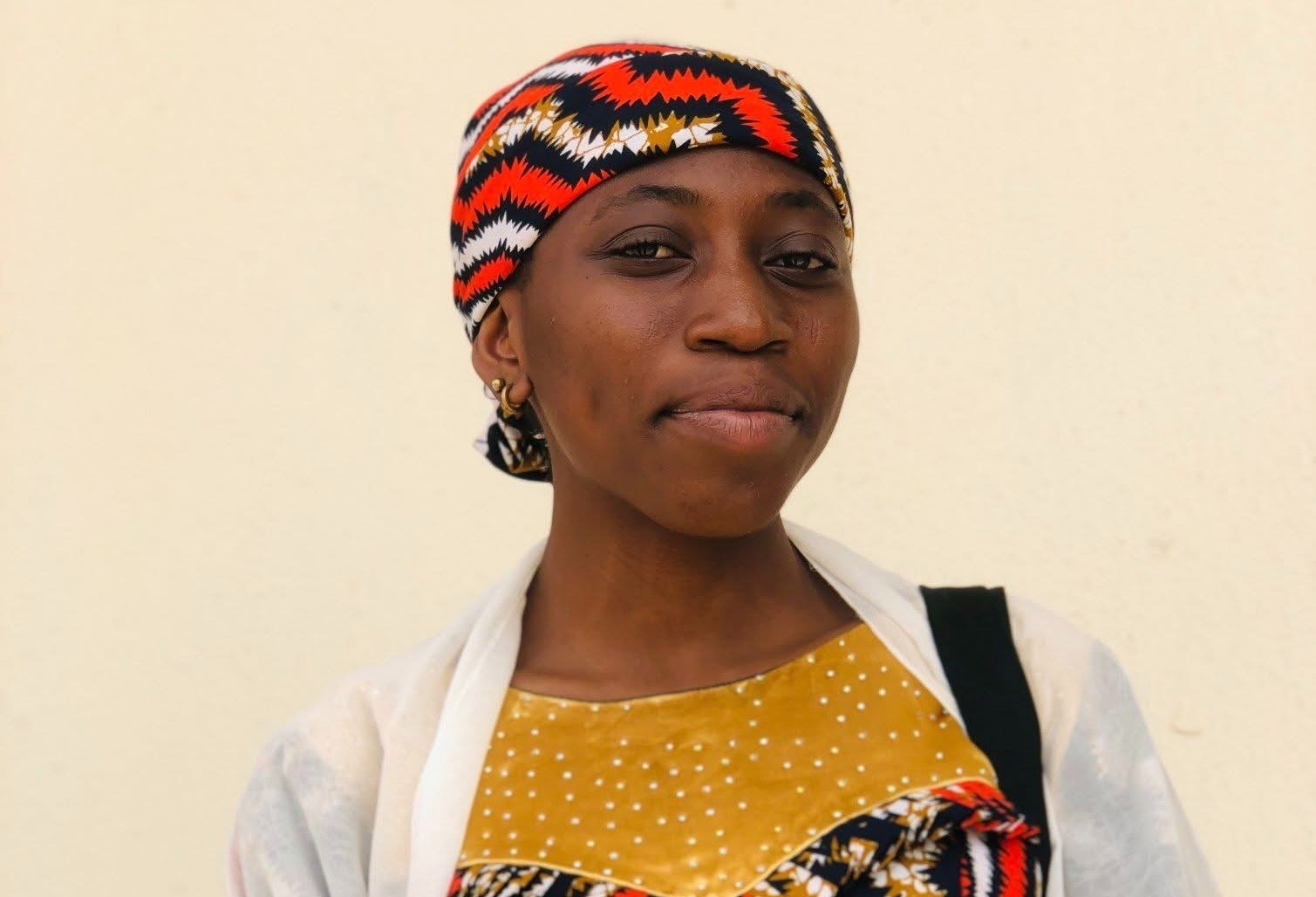
They also questioned the initial court proceedings that led to Ms Isiak's conviction and sentence.
Reports indicated that she was taken to court, convicted, and sentenced without her lawyers. This raises concerns about whether she understood the process and had access to legal advice.
The organization said these circumstances needed to be examined closely, especially the decision to continue without her lawyer.
"The administration of justice must not only be fair but must also be seen to be fair," the statement added.
LEDAP pointed to Sections 35, 36, and 39 of the 1999 Constitution, which guarantee personal liberty, fair hearing rights, and freedom of expression.
These protections mean that criminal cases should not be used to scare people for criticizing or holding officials accountable.
The organization acknowledged that freedom of expression does not exempt anyone from the law. But public criticism should not lead to intimidation or retaliation.
"Criticism of public officials must not attract intimidation, retaliatory action, or disproportionate criminal proceedings," it stated.
It also said defamation claims should be handled through legal channels, not by abusing police power.
LEDAP said this case raises larger issues about police accountability, access to justice, and how journalists are treated when they report on public institutions.
The group called on the relevant authorities to drop the charges against Ms Isiak and take all legal steps to stop her prosecution.
They also demanded a fair and open investigation into her parents' detention, the reasons for her arrest, and the officers' actions.
LEDAP further called for a review of the initial court proceedings and the conduct of the judge in charge.
The organization urged authorities to ensure Ms Isiak has a fair hearing in any future cases, including access to legal help and protection from intimidation.
It also called for justice for any unlawful arrest or detention faced by her and her parents, along with measures to protect journalists covering public institutions.
"No one should face intimidation, unlawful detention, or questionable criminal charges for exercising their rights," the statement concluded.
LEDAP warned that public officials should not misuse their authority to settle personal scores or silence valid criticism.
They urged Nigerian authorities to show commitment to the rule of law, due process, freedom of expression, and protecting citizens' rights.
LEDAP is a group that promotes human rights, the rule of law, accountability, and access to justice in Nigeria through legal support, advocacy, public interest litigation, and human rights education.






Comments
No comments yet.