Groups Push for Stronger Methane Rules Before 2027 Elections
Environmental groups are pushing for stronger methane regulations in Nigeria before the 2027 elections. They emphasize the need for better emissions data and accountability.
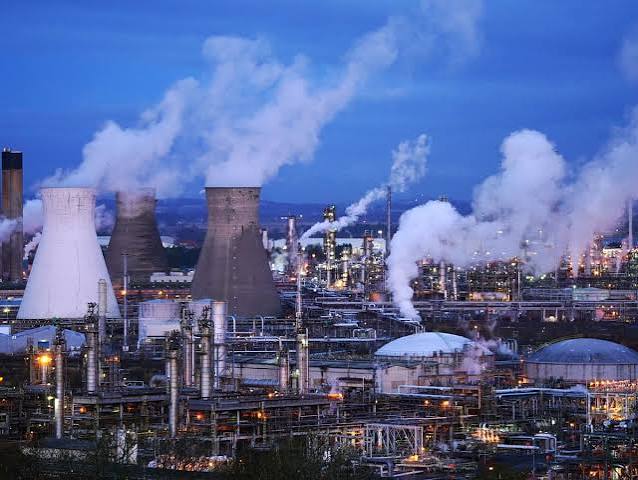
Civil society groups focused on environmental issues have urged the Nigerian government to enforce stronger methane regulations. They want better access to emissions data and action on environmental damage in oil-producing areas before the 2027 general elections.
These groups, part of the methane emissions team in the Civil Society Expert Group on Gas, said Nigeria has made some progress in managing methane. But they pointed out that the situation is still weak due to poor enforcement, lack of oversight, and limited access to reliable emissions data.
They also expressed worries about how environmental remediation funding is managed after the introduction of Executive Order 9 in 2026. They warned that changes to existing funding could hurt efforts to fix long-standing environmental issues in oil-producing communities.
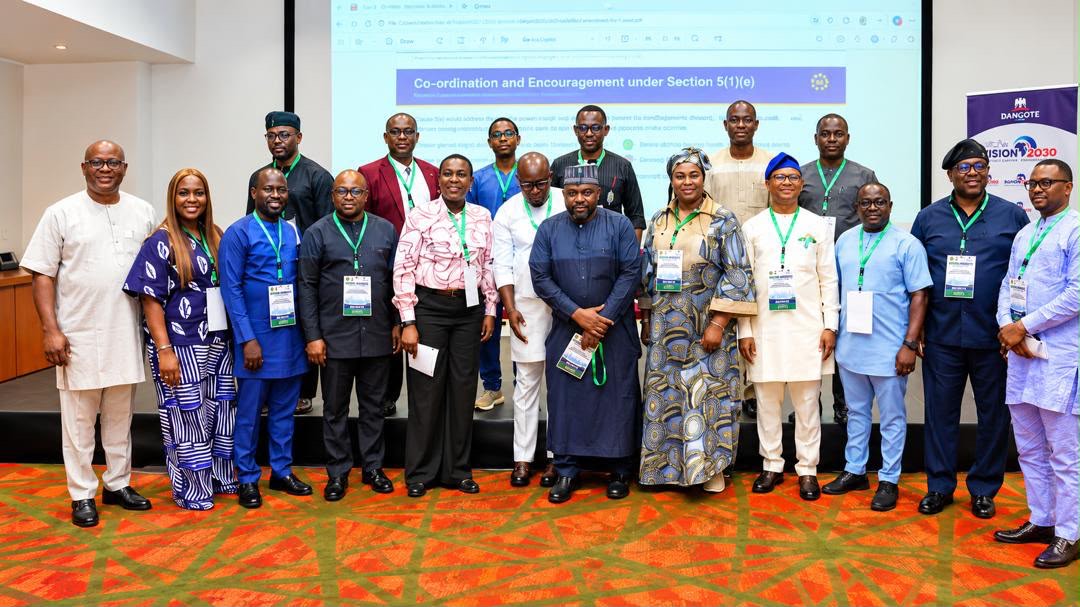
These concerns were shared in a statement released after a meeting in Abuja on 26 October. The meeting was organized by the Natural Resource Governance Institute and Africa Practice, with input from the Environmental Defense Fund.
The gathering brought together various groups working on methane emissions and environmental accountability. They aimed to review progress, find gaps, and create a united plan for advocacy.
The groups believe the 2027 elections present a chance to make methane governance a key topic in public discussions. They called for civil society organizations to engage political candidates and institutions through nonpartisan, evidence-based advocacy.
This call comes after PREMIUM TIMES published investigations showing ongoing gas flaring, weak enforcement of anti-flaring rules, and the impacts of methane emissions on oil-producing communities.
In September, PREMIUM TIMES reported that oil companies are still flaring gas and emitting methane despite Nigeria's tougher laws against it. Regulatory failures have allowed these violations to continue. An investigation in October highlighted weaknesses in the Nigerian Upstream Petroleum Regulatory Commission’s enforcement of methane rules and gaps in emissions measurement and reporting.
The groups specifically pointed to gas seepage in Bille, a river community in Degema Local Government Area of Rivers State. They noted this as a clear example of the need for better environmental monitoring and accountability at the community level.
PREMIUM TIMES reported in June that gas continued to leak from abandoned oil and gas sites in Bille. This situation endangers residents’ livelihoods and raises fears about environmental safety.
Things took a tragic turn when Joy Amos, a 29-year-old woman, died from severe burns caused by a gas explosion in Bille in September.
The civil society organizations called for better community-led tracking of gas leaks and flaring incidents. They want authorities to set up clearer ways for affected communities to report environmental problems and get investigations and fixes.
The groups also asked for a review of Executive Order 9 of 2026 and how it affects environmental remediation funding. They argue that the new arrangements might reduce transparency and accountability in managing resources meant for addressing environmental damage.
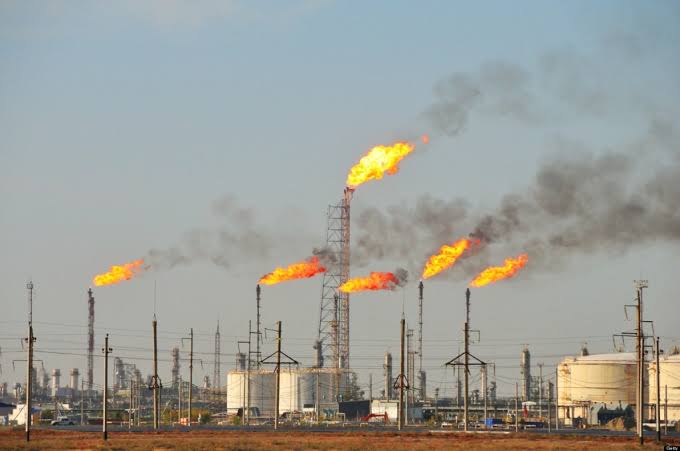
The Petroleum Industry Act has provisions for an Environmental Remediation Fund. This fund is meant for managing the negative environmental impacts from petroleum operations. Regulators can use the fund if operators fail to handle necessary remediation.
The organizations warned that Nigeria's lack of improvement in methane measurement, reporting, and verification could put its oil and gas sector at risk as international markets tighten environmental rules.
They highlighted the European Union’s methane regulations, which will require monitoring and reporting for imported oil and gas starting from 2027.
According to the statement, Nigerian exporters who want to keep access to European markets will need to show credible emissions reporting and compliance with new standards.
The groups said capturing methane that would otherwise escape could also bring economic benefits. Using this gas can improve energy supply and cut down emissions.
They urged government agencies, oil companies, and development partners to focus on profitable methane capture and use projects while following environmental regulations.
The organizations also suggested that relevant institutions improve public access to emissions data, compliance records, enforcement actions, and progress on methane reduction commitments.
They encouraged civil society organizations to bring together existing research and monitoring initiatives into a coordinated plan. This plan should include clear proposals on enforcement, remediation, emissions reporting, energy recovery, and community protection.
The statement also highlighted the need to involve faith-based groups, labor unions, and other influential organizations in methane accountability campaigns.
It pointed out that expertise and monitoring efforts are not being shared well among organizations. This lack of sharing can lead to missed chances for teamwork and duplication of work.
The organizations recommended the use of independent emissions data and monitoring technologies. This can help journalists, researchers, and community groups hold petroleum operators and regulators accountable.
Members of the methane emissions team include NRGI, Policy Alert, Paradigm Leadership Support Initiative, BudgIT Foundation, Stakeholder Democracy Network, We The People, Center for Environment, Human Rights and Development, and Africa Practice.






Comments
No comments yet.