Healthcare facilities in Borno State are facing serious challenges due to a rise in suspected cholera cases. More than 35,500 people have been infected, and there have been 198 deaths since May.
A statement from Médecins Sans Frontières (MSF), also known as Doctors Without Borders, shared data from the Borno State Ministry of Health. The outbreak has spread quickly since the first suspected cases were reported on May 1.
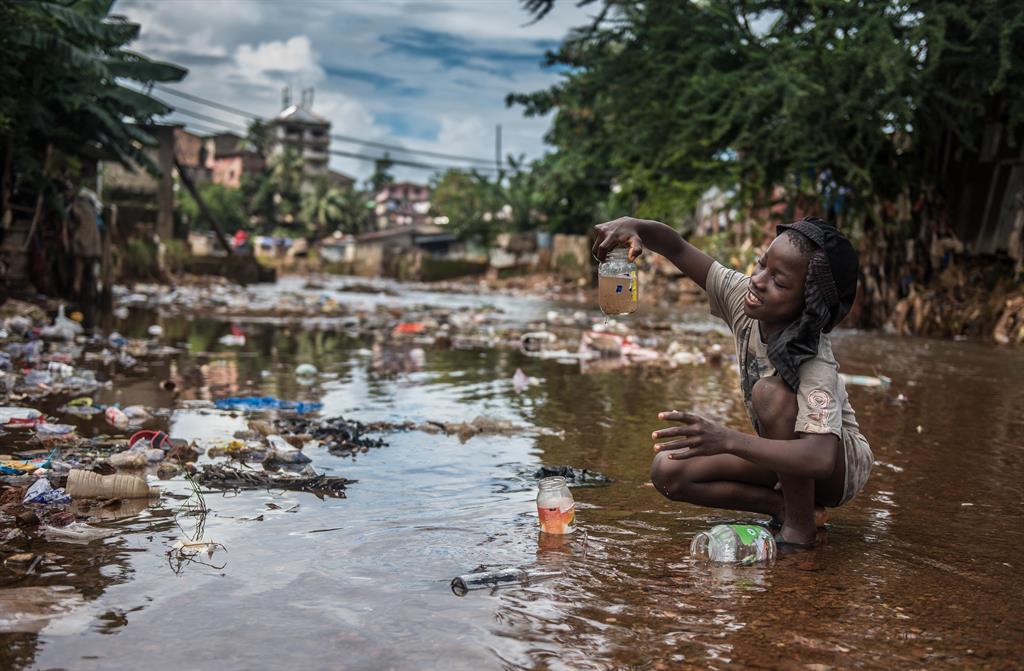
MSF linked the rise in cases to overcrowded informal settlements, limited access to safe drinking water, poor sanitation, and bad waste management.
The increasing number of infections has put a lot of pressure on healthcare facilities. Health workers are struggling to keep up with patients who need treatment.
Response
Cholera is a serious bacterial infection spread through contaminated food and water. It leads to severe watery diarrhoea and dehydration. If treatment is delayed, it can become life-threatening in a matter of hours.
Because of the urgency of the situation, MSF has expanded its emergency response with health authorities and other humanitarian groups. They are supporting two Cholera Treatment Centres, five Cholera Treatment Units, and 17 oral rehydration points across Borno State.
As of July 12, MSF has treated over 24,000 patients with suspected cholera, with more than one in four arriving with severe symptoms. Bienfait Tombola, MSF's project medical coordinator in Maiduguri, said the organisation has significantly increased its response in the last two months.
But he pointed out that the disease is spreading faster than their efforts to control it. Many communities still do not have access to clean water, proper sanitation, and healthcare.
Limited Awareness
MSF also highlighted that limited public understanding of how cholera spreads is making it harder to control the outbreak.
To tackle this, the organisation has intensified community awareness campaigns, trained healthcare workers in cholera management, and supported water, sanitation, and hygiene projects. This includes chlorinating water at key collection points.
In early July, health authorities, with help from MSF, carried out an oral cholera vaccination campaign. They reached over 2.6 million people.
Despite these efforts, many communities, especially in informal settlements, still lack access to safe water, sanitation, and healthcare. This makes it easy for the disease to spread.
MSF also reported that the outbreak has spread beyond Borno to Plateau State. The Plateau State Ministry of Health recorded 102 suspected cholera cases as of July 12.
The organisation emphasized the need to improve access to clean water, sanitation, disease monitoring, and timely treatment. They also called for more vaccination campaigns in affected areas to reduce transmission and prevent further deaths.



Drop your comment
No comments yet — be the first to drop the gist 👇