Court Sends Fraudster to Jail for Defrauding American Woman
The EFCC convicted Nwachi Chidozie Kingsley for cheating an American out of $205,238. He was sentenced to seven years in prison and must repay the victim.
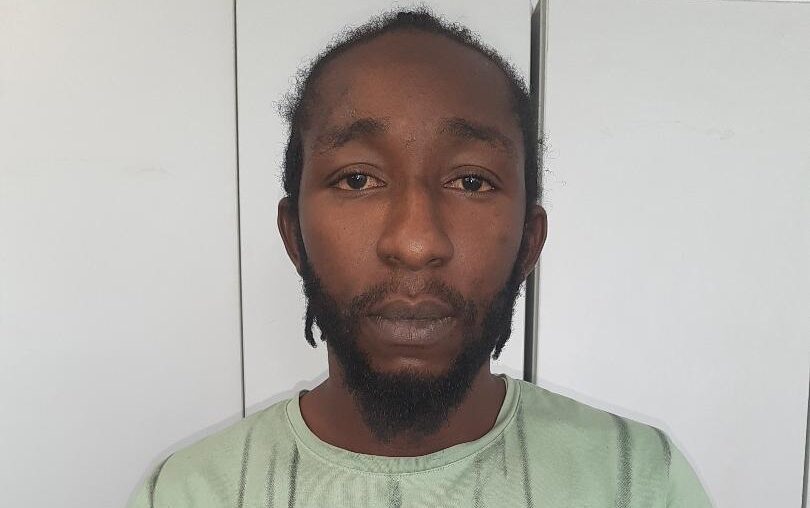
The Economic and Financial Crimes Commission (EFCC) has successfully convicted Nwachi Chidozie Kingsley. He was found guilty of cheating an American, Nicole Kierulff Sayers, out of $205,238.
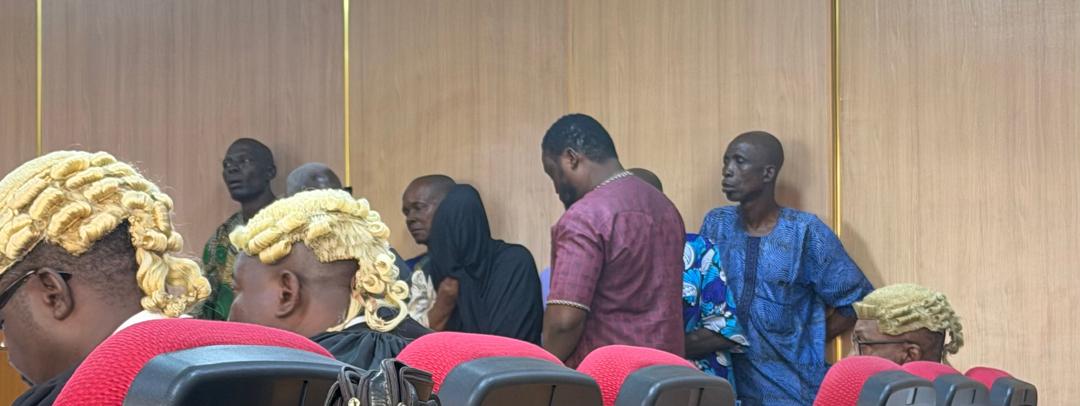
Justice U.P. Kekemeke from the Federal Capital Territory High Court in Maitama, Abuja, sentenced Kingsley to seven years in prison on each of the two charges. This decision was made on Thursday, October 29, 2026. The sentences will run concurrently at Kuje Correctional Centre in Abuja.
The court also ordered Kingsley to pay back the victim the full amount of $205,238 (Two Hundred and Five Thousand, Two Hundred and Thirty-Eight United States Dollars).
Kingsley faced the EFCC on two charges related to having a document with false information and obtaining money through deceit. This was linked to a fake contract with the Federal Ministry of Works and Housing.
One charge stated that he had a fake notice of intent to award a contract supposedly issued in his name by the Ministry. The second charge accused him of taking $205,238 from Sayers, claiming it was needed for a government contract, knowing this was false.
During her testimony, Sayers, a lawyer from Oregon, USA, said Kingsley reached out to her on Facebook on her birthday. "I know the defendant. The defendant messaged me on Facebook on my birthday and he said he was a member of the same spiritual organization as me," she told the court.
Their chats turned into a romantic relationship, which made her trust him and believe his claims. Sayers said Kingsley later asked her to send money to help him with a contract from the Federal Ministry of Works and Housing. He claimed that some people were threatening him because he had not provided the money needed for the contract.
Sayers mentioned that Kingsley gave her details of the supposed contract, including a logo and other information. She believed him because of her emotional connection with him. Initially, he asked for $15,000, promising to pay her back in 45 days. She sent him the money through a money transfer app.

Later, Kingsley introduced her to his family during a video call. They thanked her for helping him with the contract. Sayers said she ended up sending him around $40,000 before she traveled to Nigeria to meet him.
She arrived in Abuja in March 2022 and spent two weeks with Kingsley at his rented apartment in Sun City, Abuja. She continued the relationship, hoping to get her money back.
Sayers claimed that Kingsley asked for more money for different reasons. These included medical emergencies, surgeries, malaria treatment, and supplies for the supposed government contract. She said there were more than 125 transactions, and she estimated that she sent him over $200,000 in one year.
Sayers testified that Kingsley showed her a document he claimed proved he had tried to send her $10,000. He said the bank blocked the transaction because it was linked to misused government funds, which led to his arrest and detention.
She also claimed that Kingsley asked her for funds for his bail and bribes related to the supposed criminal case. Sayers told the court she repeatedly asked for her money back. Eventually, he asked for her bank details, promising to transfer the money the next day, but he never did.
She realized he would not pay her back. At the end of the EFCC’s case, the prosecutor, Fatsuma Muhammad, urged the court to convict Kingsley as per the law. Justice Kekemeke found Kingsley guilty and sentenced him to prison without an option of fine, with the terms of imprisonment running concurrently.



Comments
No comments yet.