FEC approves N215 billion for CNG buses and $900 million for agriculture
The FEC has approved funding for CNG buses to lower transport costs and support agriculture. This move aims to ease economic challenges for Nigerians.
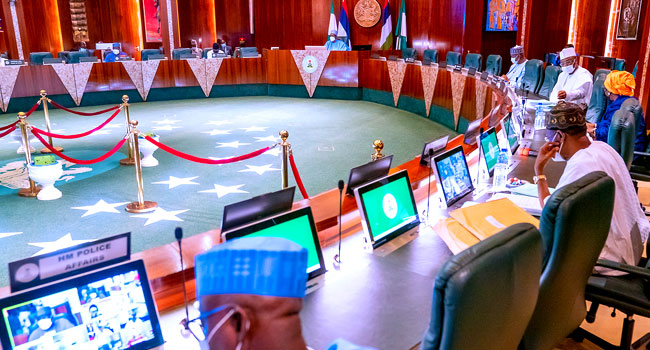
The Federal Executive Council (FEC) on Monday approved a N215 billion plan to boost Nigeria’s Compressed Natural Gas (CNG) transport program. This is aimed at lowering transportation costs and helping Nigerians deal with current economic struggles.
The Minister of Finance and Coordinating Minister of the Economy, Taiwo Oyedele, shared this news while talking to State House reporters after the FEC meeting led by President Bola Tinubu at the Presidential Villa in Abuja.
Mr Oyedele mentioned that this approval includes buying 200 CNG-powered buses. This builds on earlier investments made under the government’s clean energy transport plan.
He explained that some of these investments had already received quick approval from President Bola Tinubu due to their urgent nature. The latest decision by the council allows the remaining funds to be released.
“As many of you will recall, President Tinubu introduced initiatives on CNG buses, electric vehicles, CNG tricycles, and conversion kits. Council today approved the remaining investment needed for the program. The total amount is about N215 billion for 200 buses,” he said.
The minister added that the goal is not just to provide alternative energy vehicles, but also to make public transportation cheaper.
But he raised a concern about some operators using government-sponsored CNG vehicles. They are still charging the same fares as those using petrol-powered vehicles.
“What we found is that the person using CNG is charging the same fare as the person using petrol. That is no longer government’s responsibility; it is simply people taking advantage of the situation,” he stated.
Mr Oyedele urged transport operators who benefit from subsidized CNG conversion kits and other government help to pass the savings on to commuters.
“If we all play our part honestly and think about the interest of our country, we will make progress much faster,” he added.
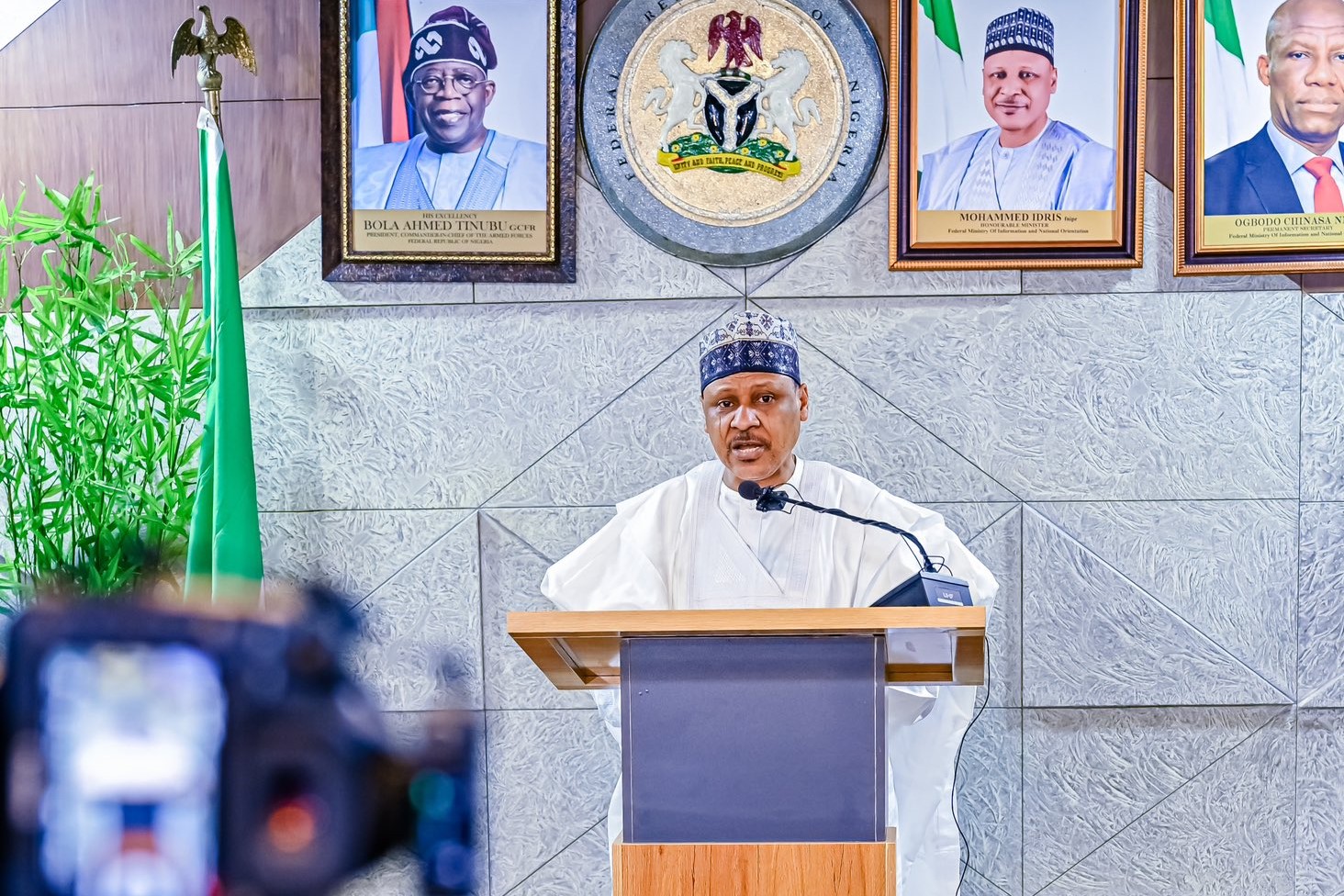
Aside from transportation, Mr Oyedele said the council also approved financial support worth about $900 million for agriculture, rural development, vocational training, and Special Agro-Industrial Processing Zones.
He stated that this financing package aims to boost agricultural productivity, enhance food security, and support rural economic growth.
The council also agreed on two financial facilities to help small businesses access affordable credit through the Development Bank of Nigeria (DBN).
These facilities include €200 million and $500 million, which Mr Oyedele said would provide lower-cost financing for micro, small, and medium-sized enterprises (MSMEs).
FEC also approved a $160 million funding package from the Islamic Development Bank for the Niger State Solar Energy Development Project.
Mr Oyedele mentioned that the bank will contribute $150 million, while the Niger State Government will put in $10 million as counterpart funding.
In the infrastructure area, the council approved $1.2 billion for Section II of the Sokoto, Badagry Super Highway project in Kebbi State.
The minister said these approvals are part of the government’s larger plan to invest in important infrastructure while promoting economic growth, creating jobs, and improving living standards.

Comments
No comments yet.