Government and Experts Push for More Telemedicine Services Across Nigeria
The Nigerian government and health experts are promoting telemedicine to enhance healthcare access nationwide, especially for underserved communities.
The federal government and health experts want telemedicine services to spread across Nigeria. They believe this will help people in rural areas and those without good access to healthcare.
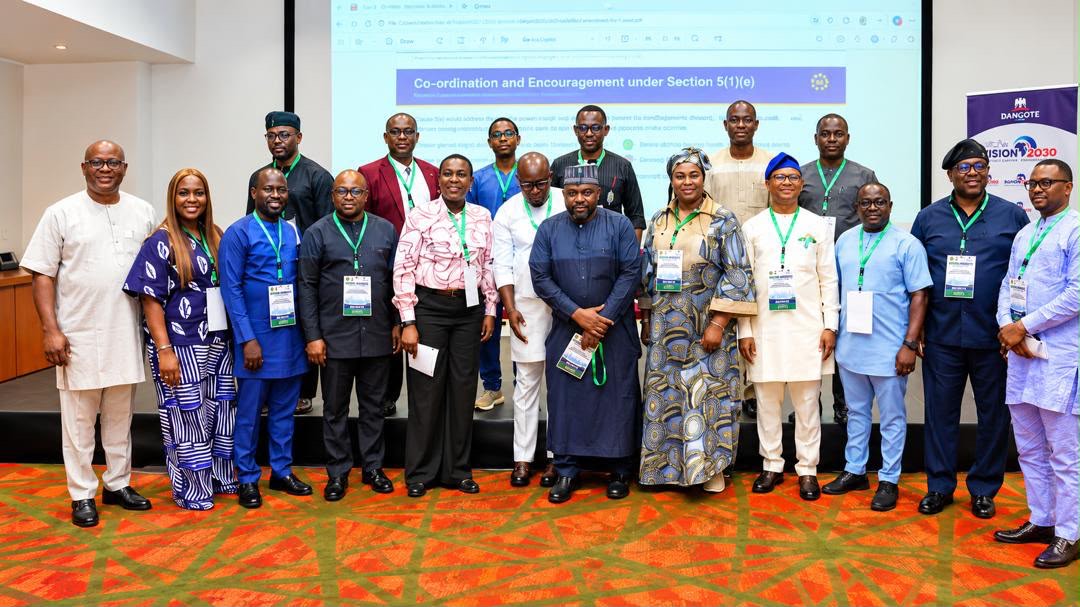
The call was made on Tuesday at the Nigerian Telehealth Conference 2.0, hosted by Mobihealth International in Abuja.
The conference was themed "The Future of Healthcare is Connected: Click and Brick." It brought together government officials, health workers, regulators, and private-sector representatives. They discussed how to move telemedicine from small projects to bigger, widespread use.
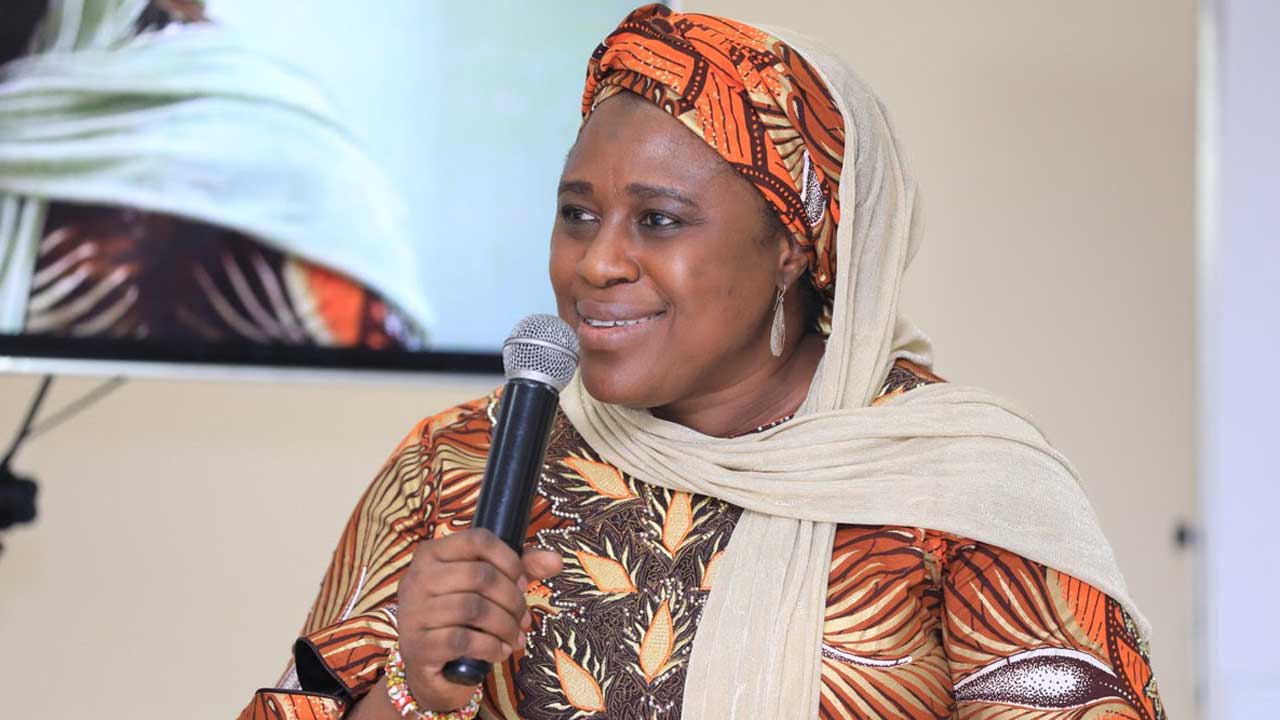
At the event, Salma Ibrahim-Anas, the Special Adviser to the President on Health, spoke about the need to mix digital technology with current healthcare facilities. She believes this could help people get medical services more easily.
Ms Ibrahim-Anas stated, "The future of healthcare lies in integrating digital technology with professional expertise and physical health facilities to deliver connected, accessible, and affordable quality services for citizens nationwide."
She highlighted that President Bola Tinubu is focused on strengthening health systems, expanding access to essential services, and improving healthcare financing. She also mentioned the importance of revitalising primary healthcare and advancing Universal Health Coverage across Nigeria.
But Ms Ibrahim-Anas pointed out some challenges. She said unreliable electricity, poor internet connections, lack of funding, and regulatory issues must be solved before telemedicine can be effectively used nationwide.
"As we work towards nationwide implementation of telemedicine, we must address practical foundations: reliable electricity, connectivity, sustainable financing, regulation, interoperability of health systems, data privacy, and cybersecurity," she said.
She explained that telemedicine can help pregnant women, mothers, and people in remote areas connect with health professionals and get timely care. But she warned that telehealth should not replace healthcare workers, diagnostics, essential medicines, and emergency services.
"Telehealth is not simply about deployment; it is not a replacement for our competent health workers," she stressed. She said the human touch is still key to providing quality healthcare.
Ms Ibrahim-Anas noted that while technology is important, healthcare must also include compassion, empathy, and good judgment. These elements are needed to ensure quality services for all Nigerians.
"As health professionals, we have to have that human touch to it," she urged. She called for compassionate and professional delivery of digital health services across Nigeria.
She also asked for inclusive digital health services to help rural communities, women, people with disabilities, the elderly, and Nigerians with low digital skills.
She encouraged stakeholders to measure success by how digital health initiatives impact people's lives, not just by how many platforms are created. She stressed the need for outcomes, fairness, and access for everyone.
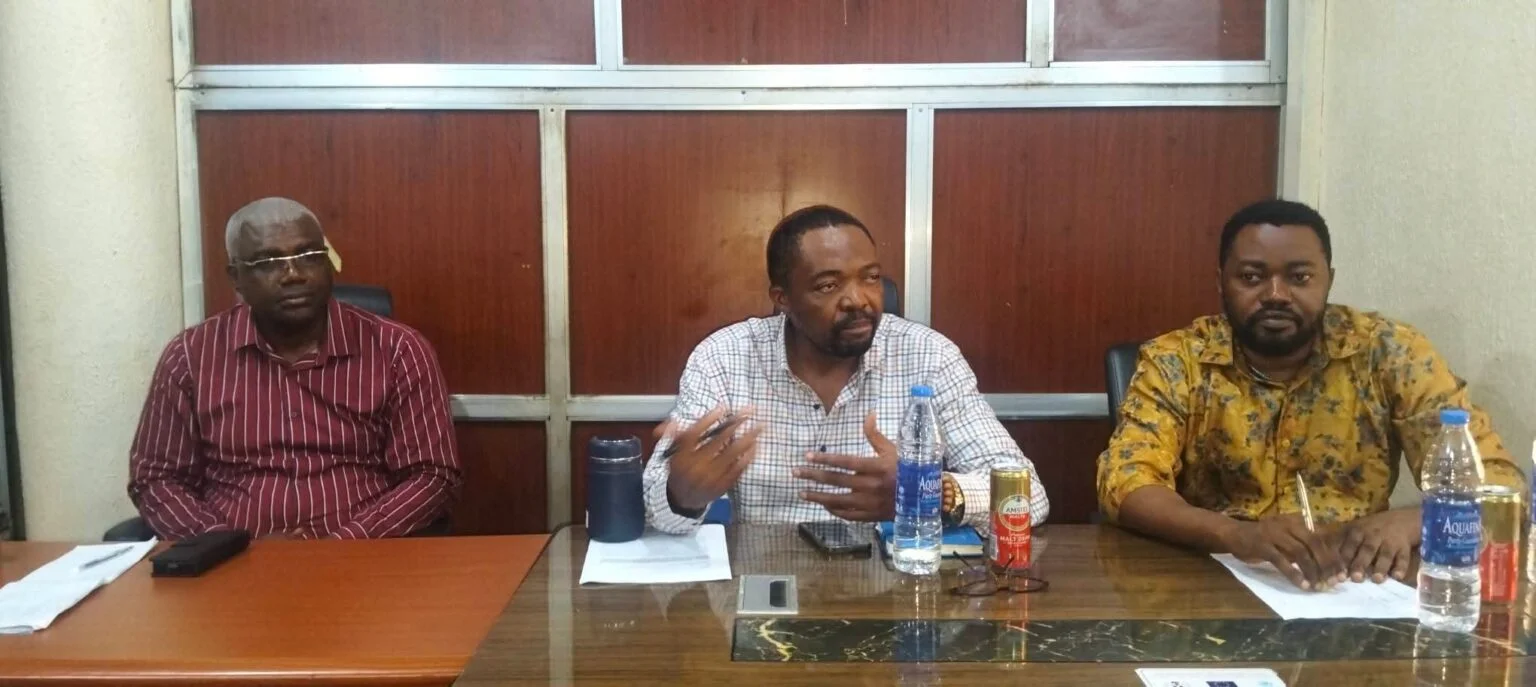
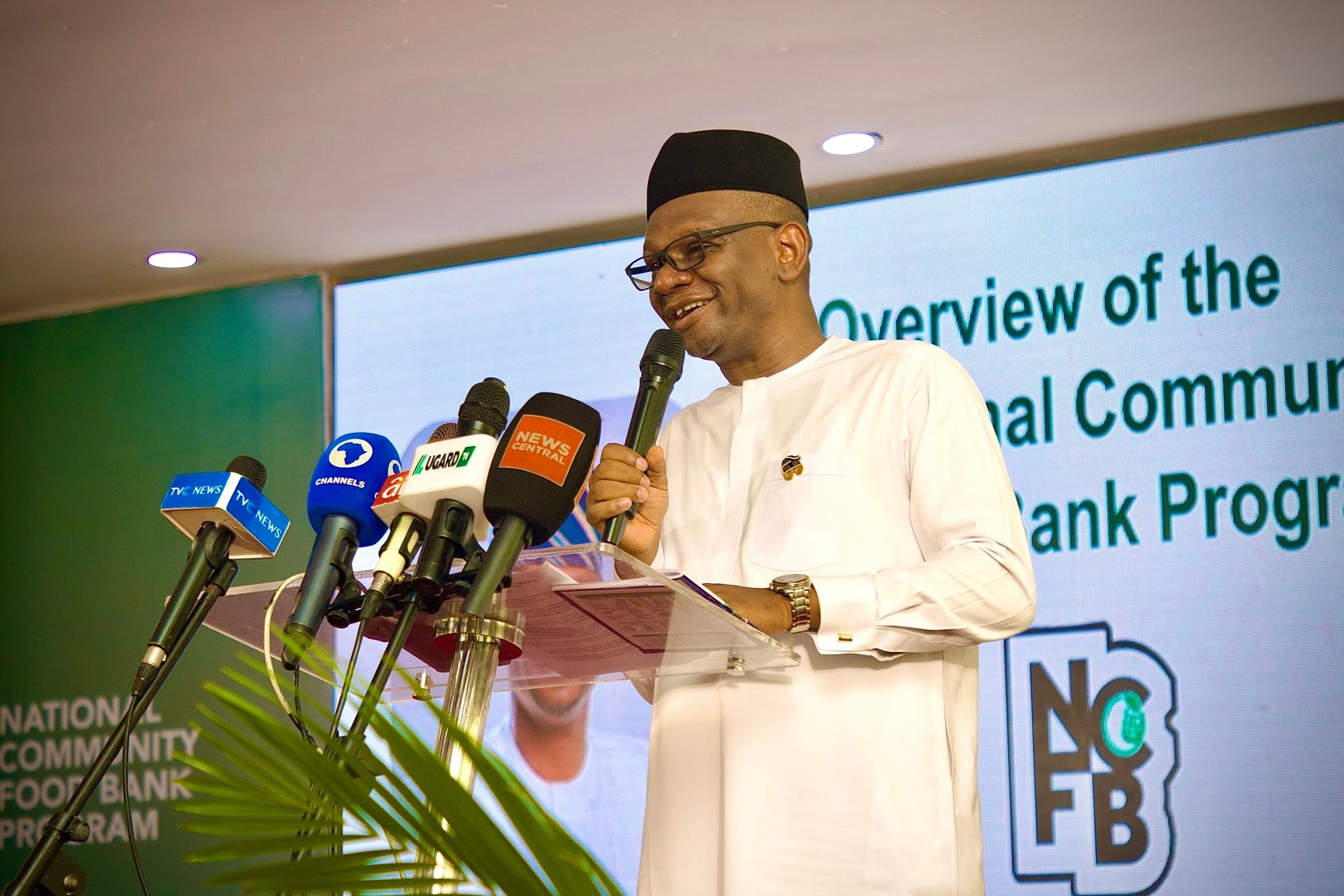
Earlier, Funmi Adewara, Founder and CEO of Mobihealth International, shared that Nigeria is at a key point in creating the policies and regulations needed for telemedicine expansion.
Mrs Adewara called the validation of Nigeria's first national telemedicine guideline an important step towards better access to remote healthcare services.
"Technology can help us to collapse the distance between a doctor and a patient, regardless of their geography," she said. She highlighted how digital health can help everyone get better access.
She mentioned that working with government bodies, like the Federal Ministry of Health and the National Health Insurance Authority, is vital to making telemedicine part of the health system and lowering costs for citizens.
Adedolapo Fasawe, Mandate Secretary of FCT Health Services and Environment Secretariat, said it's important to include regulators, lawmakers, and private sector players in building a solid telemedicine system.
Ms Fasawe said Nigeria needs a clear guide for digital health practices to ensure accountability and access for those seeking quality, affordable healthcare through telemedicine.
"We do not have enough healthcare professionals. However, when we are talking to patients through telemedicine, healthcare is more accessible, more affordable, and we cut out travel time," she explained.
She added that the government cannot achieve digital health transformation on its own. Partnerships and collaboration are needed to encourage sustainable innovation, fairness, and access.
Fatima Kyari, Registrar and CEO of the Medical and Dental Council of Nigeria, remarked that regulation is key to ensuring patient safety and keeping professional standards in telemedicine.
Ms Kyari said the council is focused on creating a system that holds healthcare professionals accountable as technology improves service delivery.
"Let us ensure that the future of telemedicine is not merely technological advancement, but professionally responsible and ethically grounded," she said. She called for accountability, safety, and integrity in telemedicine.
Oyebanji Filani, Chairperson of the Nigeria Health Commissioners Forum and Ekiti Commissioner for Health, said technology can change healthcare but must not lessen accountability and professional standards.
"Telemedicine is not medicine without accountability. It is proper medicine delivered through another channel," Filani said, stressing the importance of responsible practice and patient safety in digital health.

Comments
No comments yet.