NCDMB and Dangote Group Push for Stronger Nigerian Content
The NCDMB and Dangote Group emphasize the need for a stronger commitment to technology and funding to enhance Nigerian content. Their recent retreat focused on sustainable development in the energy sector.
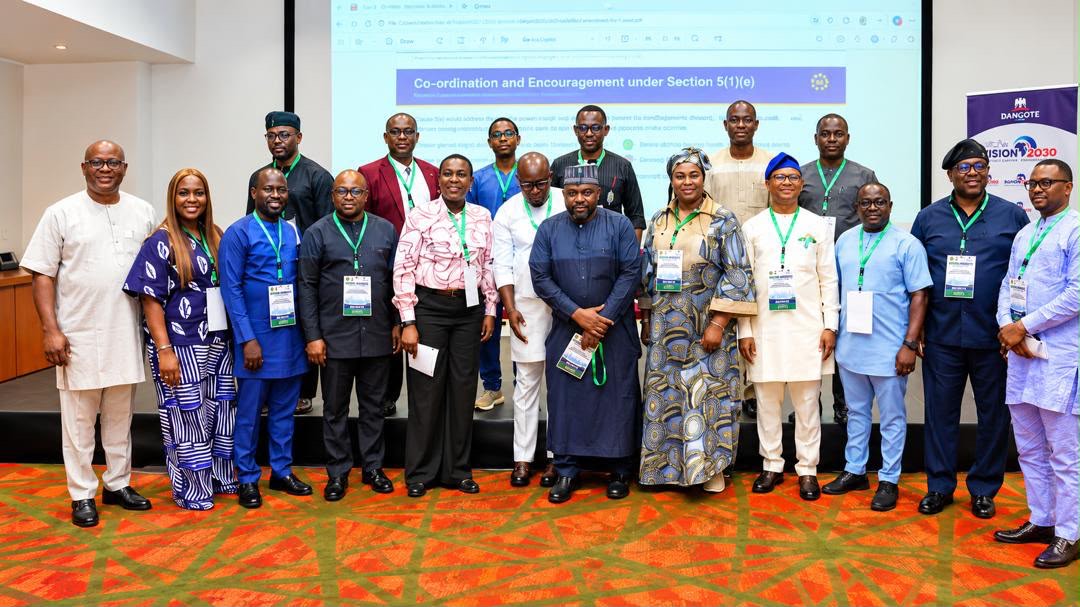
The Nigerian Content Development and Monitoring Board (NCDMB) and Dangote Group are calling for a shift from simply following rules to a stronger commitment to technology and sustainable funding. They believe these elements are key to improving Nigerian content and boosting industrial growth.
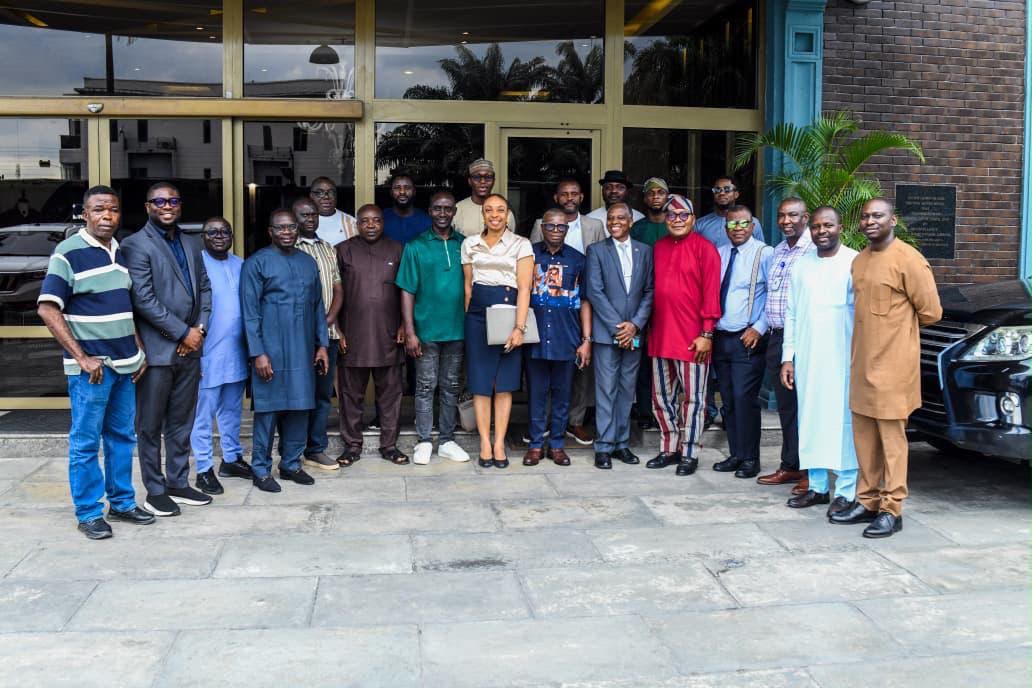
This message came during a retreat of the NCDMB/Dangote Joint Technical Committee (JTC) in Lagos on Friday. The theme was “Beyond Compliance: Partnering for Sustainable Nigerian Content Development.”
The retreat gathered important players from the oil and gas industry and government representatives. They aimed to work together to solve challenges and increase local involvement in Nigeria’s energy sector.
A central point of the talks was to make sure that Nigerian content goes beyond just meeting legal requirements. It needs to be a lasting strategy that creates jobs, builds skills, strengthens local supply chains, and keeps more money in Nigeria.
In his keynote speech, Felix Omatsola Ogbe, the Executive Secretary of NCDMB, was represented by Austin Uzoka, the Senior Technical Adviser and Director of the Project Certification and Authorisation Director (PCAD). He pointed out that commitment, technology, and financing are key to building a strong Nigerian content system.
He encouraged everyone to think beyond just compliance and to address the tough questions about keeping Nigeria's industrial assets strong. This includes how to maintain these assets, strengthen local supply chains, and ensure investments in crucial infrastructure bring lasting economic benefits.
Ogbe pointed out the issues with Nigeria’s state-owned refineries. He stressed the importance of protecting the Dangote Refinery by building the supply chain capabilities needed for its ongoing operation. His message was clear: building world-class facilities is just part of the job. It is also vital to develop local skills to support these facilities.
He highlighted the need for trustworthy supply chains that can support industrial sites, develop local skills, and ensure that knowledge stays in Nigeria. He warned that without strong local supply chains, the benefits of industrial investments could continue to leave the country, reducing local value creation.
On technology, Ogbe said it is crucial to grow Nigerian skills for operating and maintaining industrial sites, instead of always relying on foreign help. He also mentioned that access to funding is a big challenge for local businesses. High interest rates and delays in getting loans can stop Nigerian companies from completing projects and competing effectively in the oil and gas sector.
Ogbe also asked stakeholders to think about how Nigeria can develop the next group of large-scale local industrialists and support other investors wanting to set up refineries and similar facilities. He recognized Dangote Group's role in industrial growth and encouraged the industry to help new local investors succeed. He said that a stronger domestic refining sector would help Nigeria become a major player in the oil and gas market.
Besides its regulatory duties, NCDMB used the retreat to reaffirm its commitment to creating a supportive environment for Nigerian businesses to thrive, build skills, and compete in the oil and gas sector.
In his presentation, Mr Omomehin Ajimijaye, the Director of Planning, Research and Statistics (DPRS) and Chairman of the NCDMB/Dangote Joint Technical Committee, urged contractors and service providers in the Dangote ecosystem to follow Nigerian content rules, register on the NOGICJQS digital platform, and boost their industry participation.
Ajimijaye explained that the Board’s rules aim to help businesses grow and increase local involvement, not create unnecessary hurdles. He listed four key compliance areas: Nigerian content planning, workforce localization, local purchasing, and capacity building.
Companies bidding for projects must submit Nigerian content plans showing how they will maximize local participation. Employers should prioritize qualified Nigerians, buy locally available goods, and invest in skills development and technology transfer.
Regarding foreign workers, he mentioned that companies can hire them if there are real skill gaps, but they must work with the Board to identify these gaps and create plans for training Nigerians to take these roles.
He described NOGICJQS as an important tool for supplier registration, prequalification, capacity verification, and checking technical skills. Reliable data is essential for NCDMB to identify skill shortages and connect businesses with qualified professionals, directing training where it is needed most.
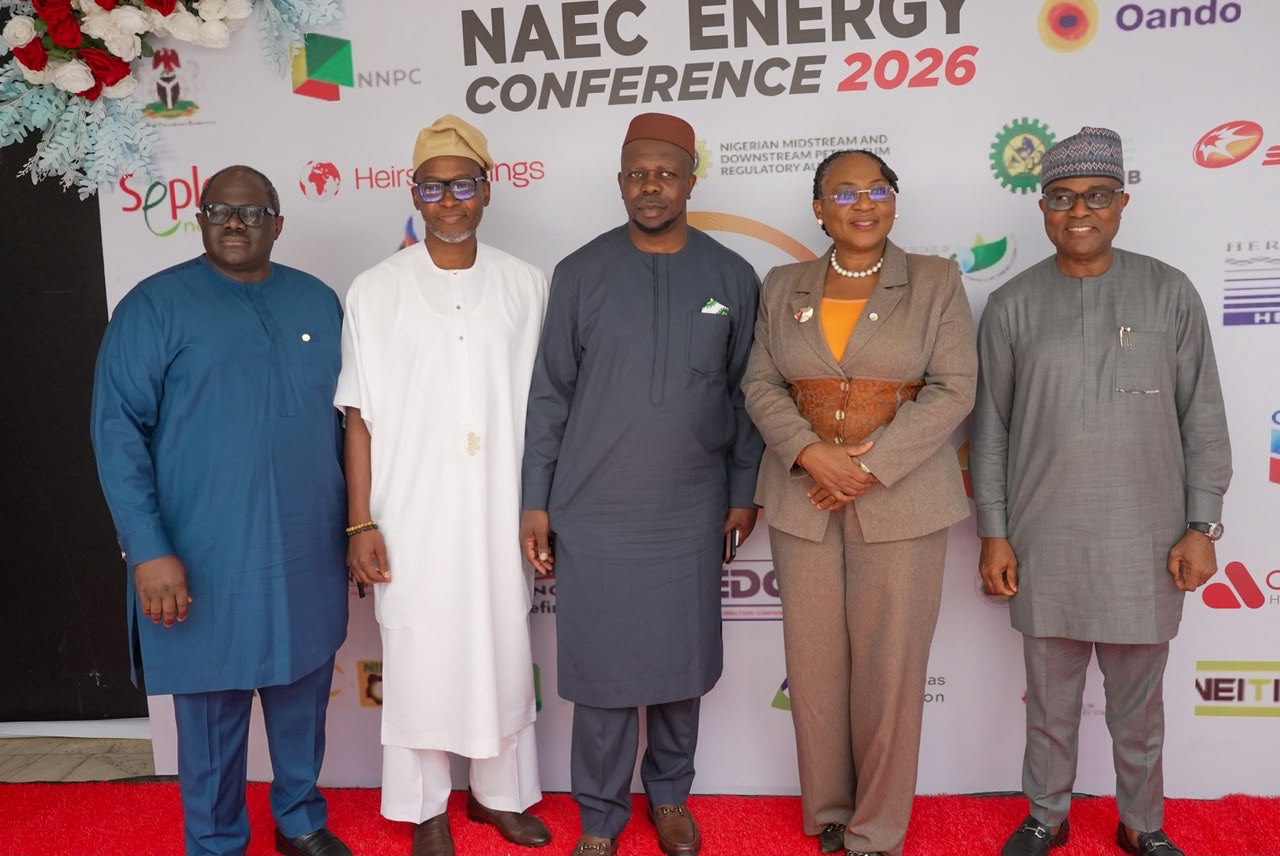
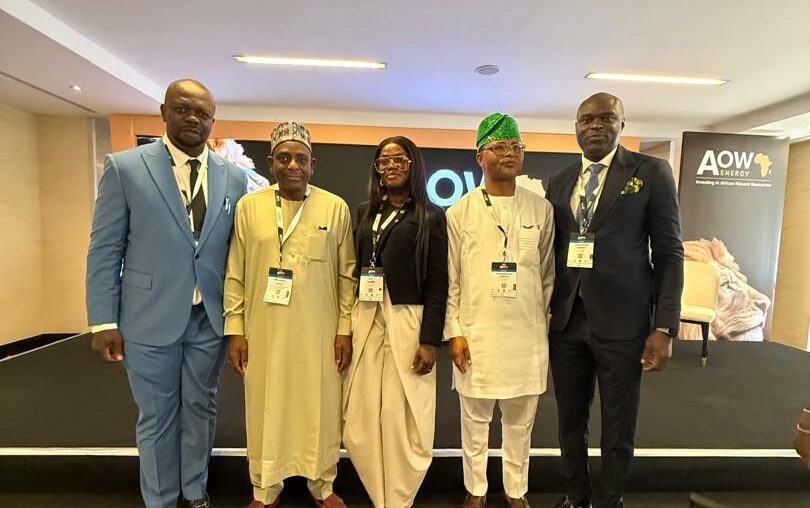
Ajimijaye praised Dangote Group for collaborating with the Board since around 2019 to build the capacity of Nigerians through local and international institutions. He noted that some beneficiaries have secured jobs with the group. He also emphasized the need for continuous investment in research and development to boost local innovation and competitiveness, allowing Nigerian firms to export their expertise.
Sharing the success of Nigerian content efforts, he said these initiatives have kept over $10 billion in Nigeria, created more than 50,000 direct and indirect jobs, and supported over 50 million man-hours of training. He noted that local value retention is about 61 percent, which is below the 70 percent goal, and he called for better collaboration among regulators, operators, and service providers to improve this.
He encouraged industry players to see Nigerian content as an opportunity for business growth and skills development, not just an obligation.
In his welcome speech, Dr Edwin Devakumar, the Group Vice President of Dangote Group, urged a shift from a rule-following mindset to one of national responsibility and commitment. He said laws alone cannot achieve sustainable Nigerian content unless everyone embraces the duty of improving Nigeria’s productive capacity.
“For sustainable Nigerian content development to succeed, it must not be seen as a regulatory burden. Every individual must regard it as something they genuinely want to do from the bottom of their heart,” he said.
Devakumar emphasized that local content should include not just sourcing materials but also skills transfer, workforce development, and the growth of local contractors into businesses capable of handling more complex projects.
Dr Naboth Onyesoh, the Director of Legal Services at NCDMB, called for better coordination among regulatory bodies. He said that investment support, petroleum regulation, and Nigerian content compliance must work together to promote national interests. He argued for clear roles to avoid duplication and foster practical solutions rather than competition between agencies.
Onyesoh challenged the idea that the Oil and Gas Free Zones Authority (OGFZA) is the only regulator in free zones. He explained that its investment-promotion role does not replace the responsibilities of other agencies. He noted that incentives to attract investment and improve business operations do not exempt operators from federal laws.
Depending on their operations, oil companies must meet the rules of the Nigerian Upstream Petroleum Regulatory Commission, the Nigerian Midstream and Downstream Petroleum Regulatory Authority, and NCDMB. He also mentioned the roles of the Central Bank of Nigeria, customs, and immigration in managing financial transactions, goods monitoring, and compliance.
Reaffirming the importance of the Nigerian Oil and Gas Industry Content Development Act of 2010, Onyesoh said its rules are crucial for promoting local participation, technology transfer, jobs, and keeping value in Nigeria. He cautioned against narrow interpretations that could keep companies in free zones from helping local capacity building. “An incentive regime is a business advantage; it is not a regulatory exception,” he said.
Onyesoh also pointed out the Board’s efforts to boost local maritime capabilities through the Nigerian Content Intervention Fund, which helps local companies acquire vessels and expand operations. He shared that the Fund is working with Nigeria LNG Limited on a shipyard project at Snake Island to strengthen local industry.
He praised the Nigerian Maritime Administration and Safety Agency (NIMASA) for working with the Board on vessel verification and local involvement in maritime activities.
Onyesoh urged OGFZA and other agencies to increase collaboration, share information, and solve operational challenges together. He noted that coordinated regulation would improve business operations, boost investor confidence, create jobs, and ensure better returns from Nigeria’s oil and gas resources.
Earlier, Dr Ebele Oputa, the Alternate Chairperson of the NCDMB/Dangote Joint Technical Committee, described the retreat as a family meeting for key players united by a common goal: putting Nigerians at the heart of industrial development. She recognized the input of government agencies and praised Devakumar for his long-term commitment to Nigeria and investment in young Nigerians. She noted that his more than 33 years in Nigeria and contributions to developing local content have been vital to the collaboration.

Comments
No comments yet.