Government offers 80,906 free C-sections, sees 22% drop in maternal deaths
The Nigerian government has provided 80,906 free C-sections, leading to a 22% drop in maternal deaths. This initiative improves access to emergency healthcare for mothers.
The Nigerian government has provided 80,906 free caesarean sections through its emergency obstetric care programme. This has led to a 22 per cent drop in deaths from obstetric emergencies in hospitals that took part in the programme.
The Coordinating Minister of Health and Social Welfare, Muhammad Pate, shared this information on Tuesday at the 2026 Nigeria Health Sector Joint Annual Review in Abuja.
Mr Pate mentioned that nearly 100,000 free emergency obstetric and newborn healthcare services have been given out since the programme started two years ago.
He noted that these services include 80,906 caesarean sections, about 9,100 newborn services, and 6,059 repairs for vesicovaginal fistula. This condition can cause a woman to leak urine after injuries during childbirth.
"Two years after we announced the free emergency obstetric care programme, almost 100,000 services have been delivered," he said.
"Deaths from obstetric emergencies have fallen by 22 per cent in participating facilities. These are among the highest-risk maternal cases."
The programme is part of the government's plan to reduce preventable deaths of mothers and newborns by making emergency healthcare more accessible. This is especially for women who cannot pay for treatment.
A caesarean section is a surgery to help deliver a baby through a cut in the belly and uterus. This is usually done when doctors believe it is safer for the mother, baby, or both.
Even though C-sections are necessary in many situations, the high cost in Nigeria has kept many women from getting this important care during childbirth.
Mr Pate said the government has also improved emergency obstetric and newborn healthcare services. They provided equipment to over 300 secondary healthcare facilities and more than 500 primary healthcare centres.
He explained that the secondary facilities are equipped to offer complete emergency obstetric and newborn care. The primary healthcare centres were supported to offer basic emergency services.
"The facilities, staff and referral services must work together if we are to reduce preventable deaths," he said.
The minister also talked about the progress under the Maternal and Newborn Mortality Reduction Innovation Initiative (MAMII). This programme focuses on areas with high rates of maternal and newborn deaths.
He said MAMII has connected 750,000 pregnant women to working health facilities. Emergency transport services operated in 171 of the 172 local government areas covered by MAMII. They transported 104,566 women and newborns.
Across a larger referral network, 1,053 transport vehicles and 9,050 community drivers helped move 168,571 patients.
"These arrangements are connecting women and newborns to the care they need," he added.

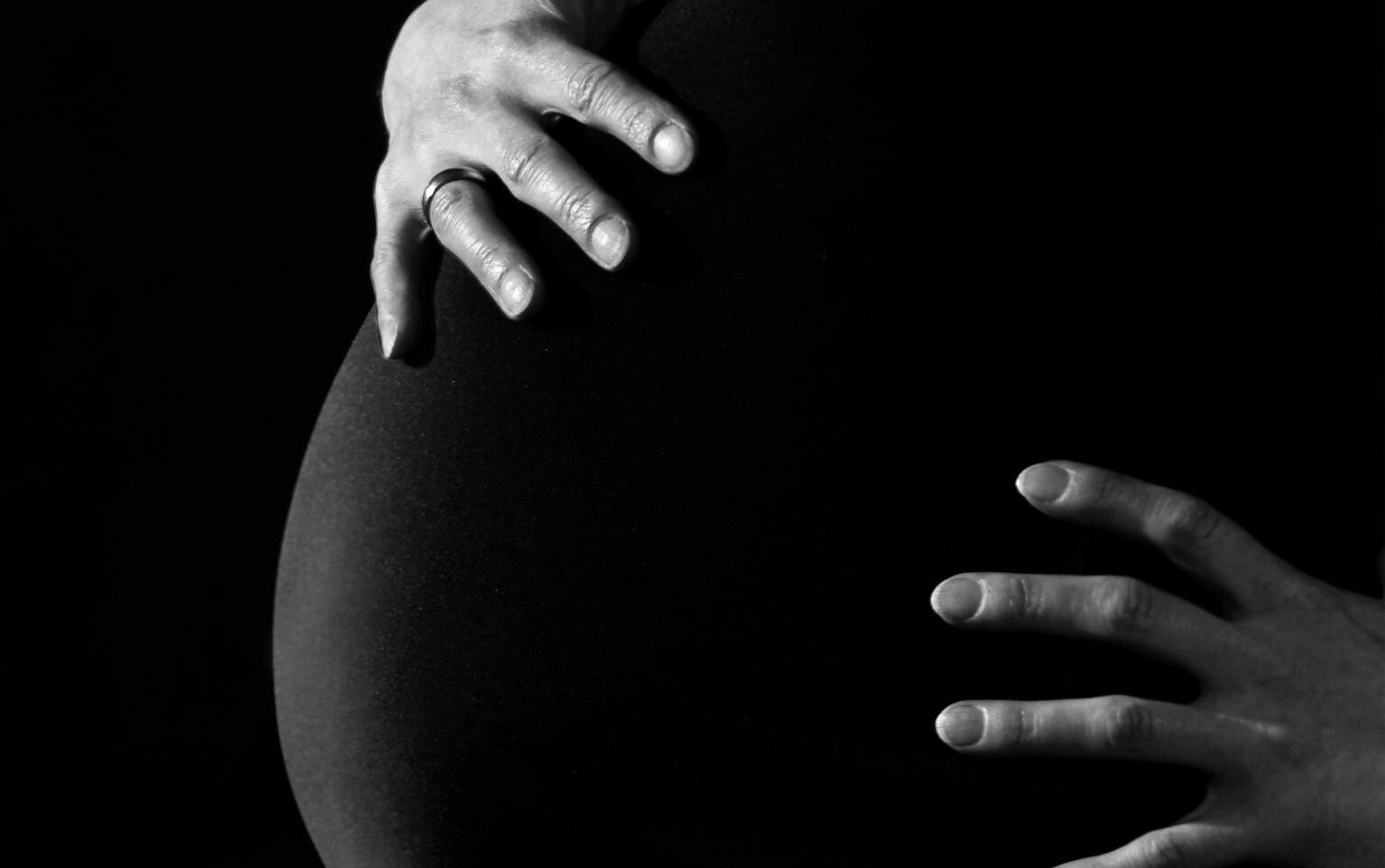
In November 2024, PREMIUM TIMES reported that the federal government started offering free caesarean sections for qualified pregnant women. This was part of efforts to reduce maternal and newborn deaths.
The programme began in August 2024 in four healthcare facilities located in Kano and Akwa Ibom states before it expanded to other areas.
By April 2025, Mr Pate said that more than 4,000 women had benefited from these free caesarean sections.
During this time, the National Health Insurance Authority (NHIA) announced that the programme had started in over 100 hospitals across Nigeria’s six geopolitical zones.
NHIA explained that women who could not afford the procedure could get it for free after an assessment by the hospital's social welfare team.
Beneficiaries must provide their National Identification Number, which they can show before or after being admitted.
The programme involves federal, state, private and faith-based hospitals, with the NHIA coordinating payments for eligible services.
In September 2026, the government introduced incentives under MAMII to encourage more use of maternal and newborn healthcare services. They aim to tackle barriers that prevent women from getting timely care.
Even with these improvements, maternal and newborn deaths are still serious public health issues in Nigeria.
At the review, the National Coordinator of the Sector-Wide Approach Coordination Office, Muntaqa Umar-Sadiq, pointed out that there are not enough skilled health workers and gaps in Comprehensive Emergency Obstetric and Newborn Care (CEmONC) services.
"Investments in CEmONC facilities, infrastructure and equipment must be matched with adequate numbers of skilled health workers. We must also modernise our tertiary health institutions," he said.
Mr Umar-Sadiq emphasized the need to better deploy and keep skilled health workers, especially in facilities that provide emergency obstetric and newborn care.
The 2026 Joint Annual Review, with the theme "Make the Data Count", brought together federal and state government officials, development partners and others to review progress under the Nigeria Health Sector Renewal Investment Initiative.
This initiative is being carried out through the Sector-Wide Approach. It aims to improve coordination, financing and accountability in healthcare delivery.


Comments
No comments yet.