Nigeria and India Team Up to Boost Human Rights
Nigeria's NHRC and India's NHRC signed an MOU to promote human rights. This partnership aims to share best practices and strengthen their approaches.

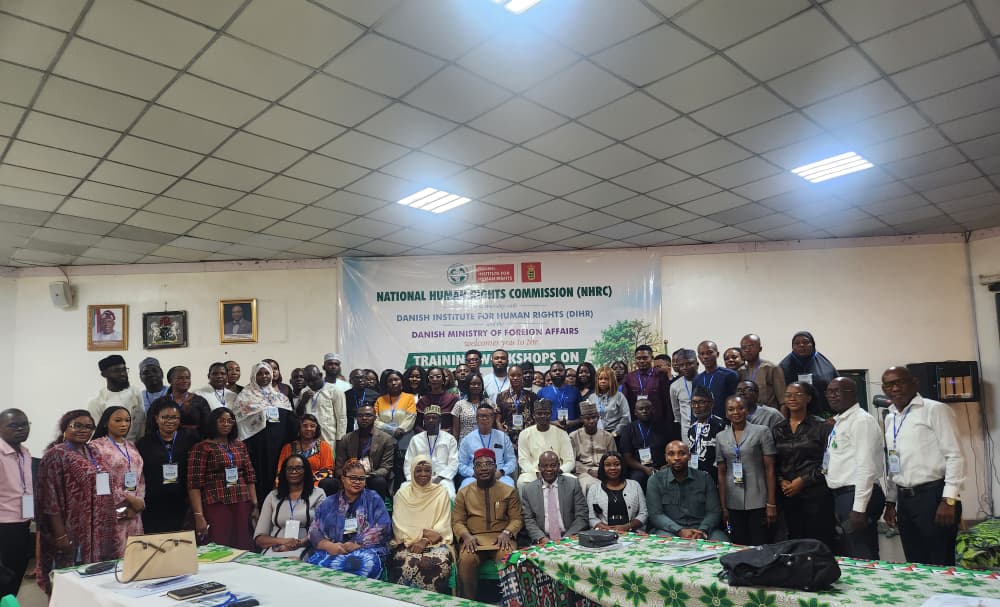
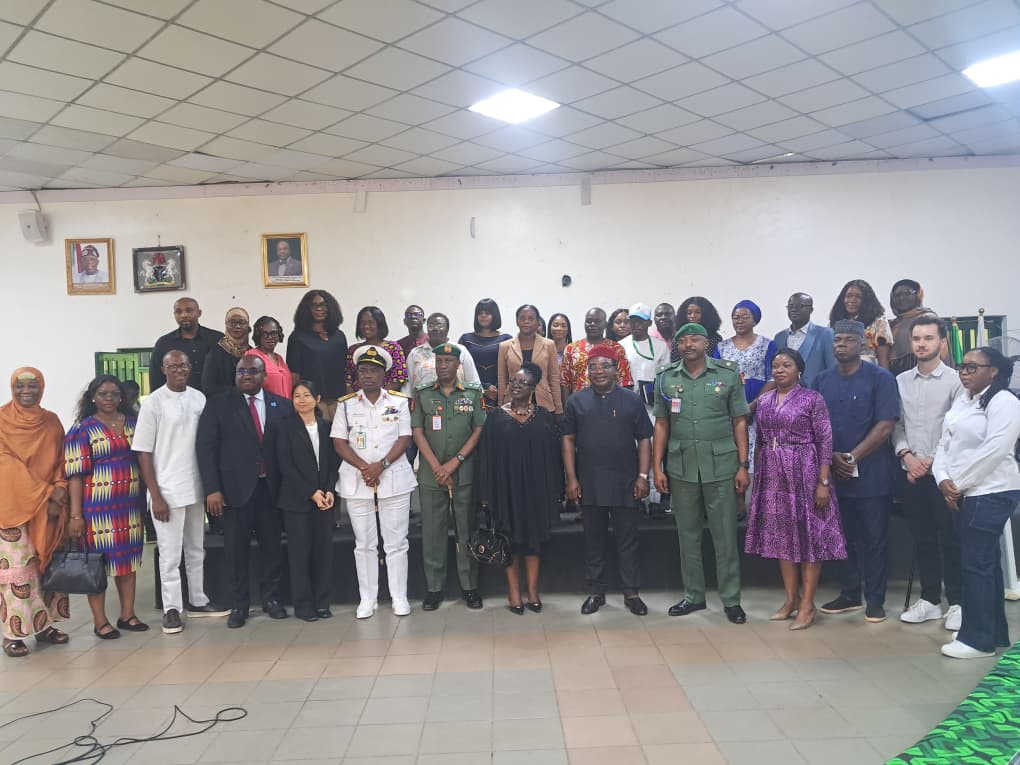
The National Human Rights Commission (NHRC) of Nigeria and its counterpart in India signed a Memorandum of Understanding (MOU) in Abuja on Tuesday.
Tony Ojukwu, the NHRC’s executive secretary, stated that this MOU will help Nigeria and India share best practices due to their common backgrounds.
Mr Ojukwu added that this partnership will also increase Nigeria’s NHRC’s knowledge and contributions to the global community.
“This MOU provides a framework for cooperation between countries, in areas including gender-based learning and life practices, capacity building, joint research and mobilisation, and engagement on regional and international human rights issues.

Abishek Singh, Indian high commissioner to Nigeria, Mr Ramasubramanian, Mr Ojukwu and Samir Kumar, joint secretary of the Indian NHRC
“It also provides an opportunity for our institutions to learn from each other’s experiences and strengthen our different approaches to promoting human rights.”
V. Ramasubramanian, chairperson of the Indian NHRC, agreed with Mr Ojukwu. He pointed out the similarities between Nigeria and India, like large populations and diversity, which includes different religions and languages. Both countries also share a history of colonial rule.
He said, “Even before Nigeria became independent, India was one of the first countries to set up a liaison office; this MOU is not actually the starting point of our relationship. Rather, it is the natural progression of the friendship and technical cooperation we have built.”
“Therefore, there is a lot of scope for both these institutions to learn from each other’s experience. We can exchange best practices and develop approaches that are very responsive to our national situations. This MOU carries wider significance for South-South cooperation.”
Mr Ramasubramanian noted that the Global South has unique experiences and perspectives that offer valuable lessons for the international human rights community.
Adwoa Kufor, Senior Human Rights Advisor to the United Nations’ Residents and Humanitarian Coordinator to Nigeria, witnessed the signing of the MOU and praised the partnership.
“In the human rights community, we really want to see this cross-fertilisation, learning from each system, and sharing good practices on how we can promote human rights,” the advisor said.
Mr Ojukwu, a Senior Advocate of Nigeria, mentioned that the NHRC in Nigeria will turn the commitments made in the MOU into practical programmes.
The signing of the MOU came after a short closed-door meeting with the Chief Justice of Nigeria (CJN), Kudirat Kekere-Ekun, and the judges of the Supreme Court on Monday.
While journalists were not allowed into the meeting, Mr Ramasubramanian explained that the meeting focused on how human rights institutions around the world support the courts in every country.
He said the aim of both India and Nigeria is to have a collaborative approach to human rights institutions in both nations.
Mr Ojukwu pointed out that the meeting was important because of the complementary roles that human rights institutions have with the judiciary in improving access to justice.
He said the CJN confirmed the judiciary’s commitment to work closely with the NHRC to ensure that both institutions collaborate for the benefit of Nigerians.
Ms Kekere-Ekun also stressed that human rights issues are treated as urgent in the courts, according to Mr Ojukwu.
While the MOU is not a legally binding document, it serves as a guide for political and institutional learning and solidarity.


Comments
No comments yet.