Governor Dauda Lawal: Delivering Results Over Political Interests
Governor Dauda Lawal prioritizes the needs of Zamfara's citizens over political favors. His approach aims to bring transparency to government contracts.
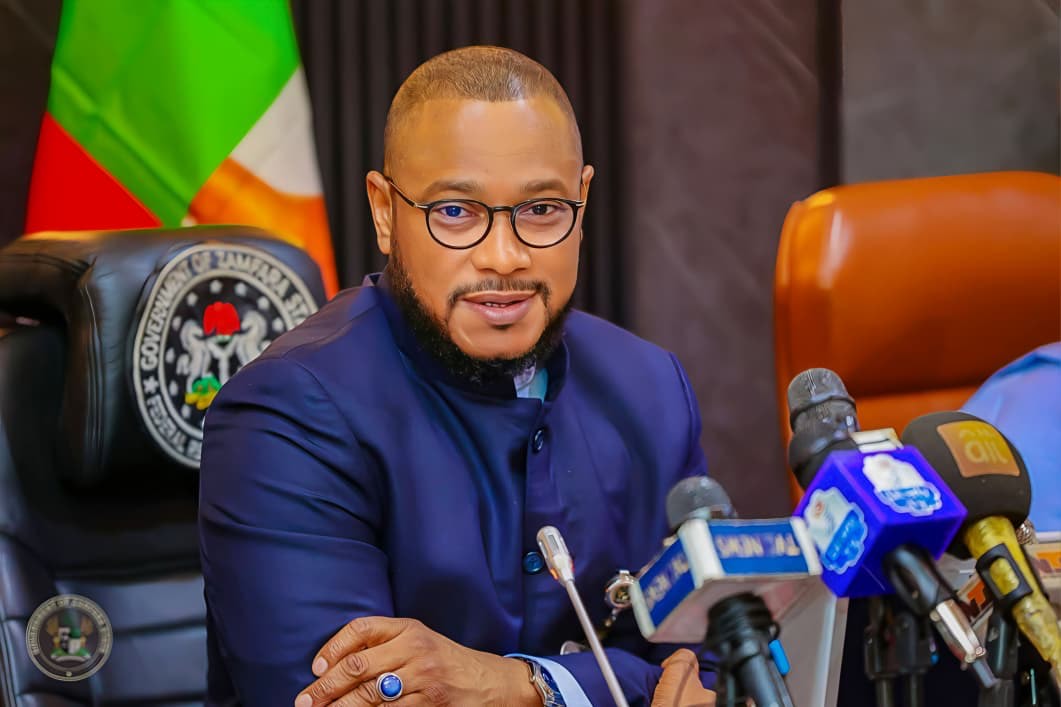
Political criticism is important for democracy. Governor Dauda Lawal, who studied political science, knows this well. He understands that government should serve the people, not just please political players who want public resources for themselves.
With this in mind, the recent complaints from some politicians about how he runs the state should not surprise anyone watching Zamfara closely. For many years, politics in the state has revolved around the expectation of favors. Lawal’s clear intent to change this trend has met resistance.
During a meeting with All Progressives Congress (APC) stakeholders, Governor Lawal’s response was telling. He suggested publishing who benefits from contracts, which projects were awarded, and the amounts involved. This is a big step. If done right, it will let people know who got contracts and if the projects were done well. This way, there will be no hiding for those politicians who try to turn Lawal against the people.
Lawal rejected claims that he has ignored party members. He admitted that he could improve communication. He raised an important question: Should governance focus on what political stakeholders want or on what the government provides to the public? Should party members care more about how their leaders perform than about what they personally get? Should the question be, "What has Zamfara State benefited from our party?" instead of, "What have I personally gained?"
Political parties should aim to win elections and create policies that enhance people’s lives. They should not just be platforms for sharing contracts and jobs among members. Sure, dedicated party members deserve recognition for their efforts and should have chances to join in governance. But their contributions should come from a sense of responsibility, not a desire for personal gain.
The true measure of a party’s success is how well it turns its promises into real benefits for the people. Things like built roads, repaired schools, equipped hospitals, improved security, and created job opportunities show citizens that they made the right choice. When these benefits reach everyone, governance becomes a tool for common progress instead of just a way to reward political allies.
This is the key point that political stakeholders must grasp. Their loyalty should not just be based on personal gain from the government, but on what the government achieves with their support. A party member asking for a contract while ignoring the need for roads in their community, or complaining about being left out while schools and hospitals are fixed, misses the bigger picture of political involvement.
When Governor Dauda Lawal took office on May 29, 2023, Zamfara State had serious issues that were worse than he expected. His administration faced unpaid exam fees that stopped many students from taking the 2023 WAEC exam, billions owed for WAEC and NECO exams, years of unpaid pension arrears, salary backlogs, and other problems that hindered the state’s operations. His government cleared over ₦3.2 billion in unpaid exam debts and pension liabilities that ran into billions.
These issues harmed children’s education, left pensioners waiting for their benefits, and put workers’ families at risk due to unpaid salaries. The government also had to deal with insecurity, bad infrastructure, and a weakened public service. With this in mind, Lawal declared an emergency in education and kicked off his Rescue Mission, promising to rebuild the state and restore trust in governance.
Since he took office, Governor Lawal’s administration has made real efforts to tackle Zamfara State’s challenges. Over 500 schools have been renovated and equipped. Declaring a healthcare emergency allowed hospitals in all 14 Local Government Areas to be fixed and equipped. A major achievement was in June 2025 when the remodeled Ahmad Sani Yariman Bakura Specialist Hospital was opened, complete with MRI and CT scan machines.
Infrastructure and education show more of what the administration prioritizes. In July 2024, the government approved the rebuilding of the 108-kilometre Magami-Dansadau road for about ₦81.19 billion to Dantata & Sawoe Construction Company, the lowest bidder. This road is crucial for connecting farming communities to markets. Meanwhile, an ₦11.7 billion initiative through the World Bank’s AGILE programme aims to help adolescent girls stay in school.
These efforts, along with investments in agriculture, workers’ welfare, and revenue reforms, show that the administration is focused on public investment. The 2025 budget set aside about 72 percent of spending for capital projects. While insecurity and other issues still exist, these actions show a strong push to tackle long-standing problems with targeted projects.
The challenges facing Governor Dauda Lawal might explain why Zamfara State, like many others in Nigeria, has struggled to develop as its people deserve. A common problem in Nigeria’s political culture is that some party members see political power as a chance to gain personal returns, rather than as a public trust meant for the collective good.
This mindset leads to patronage, misdirects public spending, and prioritizes personal gain over the people’s welfare. In such an atmosphere, some party members expect loyalty to be rewarded with contracts and jobs, no matter their skills or the public interest.
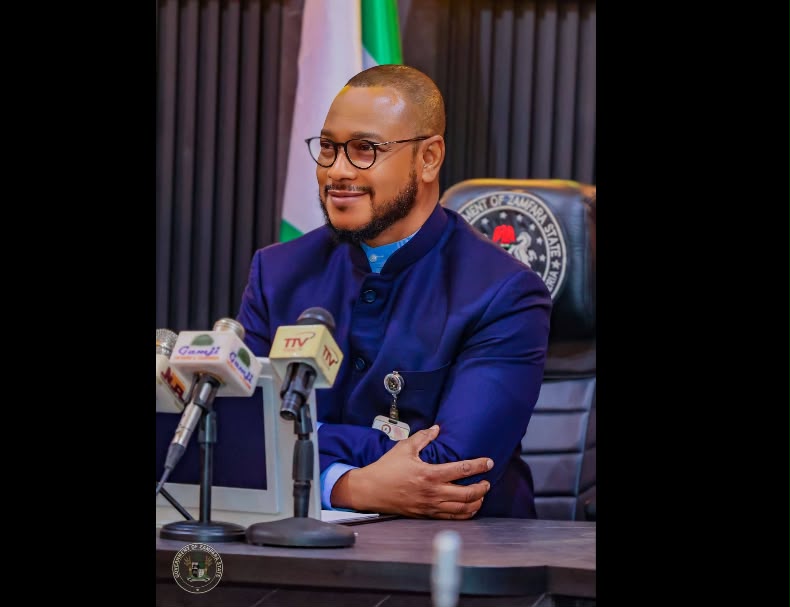

What sets Zamfara State apart is Governor Dauda Lawal’s character, determination, and commitment to good governance. Leadership demands the courage to lead, even when it may cost politically. Leaders shouldn’t let the fear of losing votes stop them from making tough but right decisions for the public.
Evidence from Lawal’s administration shows that he has not shut out party members or denied them chances to engage in governance. Instead, he has drawn a line between fair political inclusion and the expectation of contracts, regardless of skills. For major projects, the public interest must come first, which is why the administration chooses reputable companies that can meet standards.
How could Lawal have built the world-class Gusau International Airport, completed major road projects, and constructed hospitals if he let political pressure and fear of upsetting influential party members control his decisions? The difference between a leader who changes a state and one who merely manages its issues often lies in the bravery to make the right choices, even when they are politically difficult.
Across Nigeria, many abandoned public projects worth trillions of naira show the fallout from awarding contracts to politically connected firms that lack the skills to complete them. The issue goes beyond contract awards to public jobs, where loyalty sometimes beats competence, leaving crucial roles in the hands of unqualified individuals. When loyalty to political leaders becomes the main qualification for public office or contracts, it is everyday people who suffer.
This issue is not just about how people see things. BudgIT’s Tracka project report from February 2026 reviewed 2,760 federally funded projects across 28 states. It found that 471 projects were not done, 99 were abandoned, and 92 projects costing ₦15.07 billion were marked as fraudulently completed.
Additionally, the Independent Corrupt Practices and Other Related Offences Commission (ICPC) has reported public assets misused for personal gain. Ultimately, while patronage may reward a select few connected individuals, it is the public who pays the price.
The Rescue Mission aims to break from past practices by putting public investment and service delivery at the core of governance. The state’s budget priorities reflect this commitment. In 2024, the government passed a ₦426.56 billion budget, with ₦308.2 billion, or about 73 percent, for capital spending in important areas like security, education, agriculture, healthcare, and infrastructure. The 2025 budget continued this trend, allocating ₦393.33 billion, or about 72 percent, for capital projects. Together, these figures show a clear policy direction: prioritizing investments that improve public infrastructure and citizens' quality of life over the increase of regular administrative spending.
The security issues in Zamfara State must also be seen in Nigeria’s legal context. Although governors are seen as the chief security officers of their states, they do not control the armed forces, which are under the Federal Government. This often leaves governors in a tough position, held responsible for security outcomes without control over the main forces fighting terrorism.
Governor Dauda Lawal has not used these constraints as an excuse. His administration created the Community Protection Guards, invested in security vehicles and equipment, and worked to strengthen ties with federal security agencies. These actions show a commitment to tackling the crisis within his authority.
The ongoing insecurity does not mean Governor Lawal has not given his all. The people of Zamfara deserve safety, and achieving it needs both consistent state-level efforts and a more effective, coordinated response from the Federal Government.
The talk about Governor Dauda Lawal’s Rescue Mission should not focus only on how many party members got contracts, jobs, or other benefits. The main question should be whether Zamfara State is making progress and if public resources have led to better schools, functioning hospitals, improved roads, and more chances for its people.
The answer is a loud yes. Governor Lawal has proven that his duty is to govern for the people, not to hand over state resources to party members. The success of the Rescue Mission will ultimately depend not on how many political interests it satisfies, but on the lasting improvements it brings to the lives of Zamfara State's people.
Comments
No comments yet.