Former Power Minister Liyel Imoke Testifies in Mambilla Hydropower Case
Liyel Imoke, former Minister of Power, testified in the Mambilla Hydropower case, revealing details about the contract awarded in 2003. He is a key witness in the trial against his predecessor.
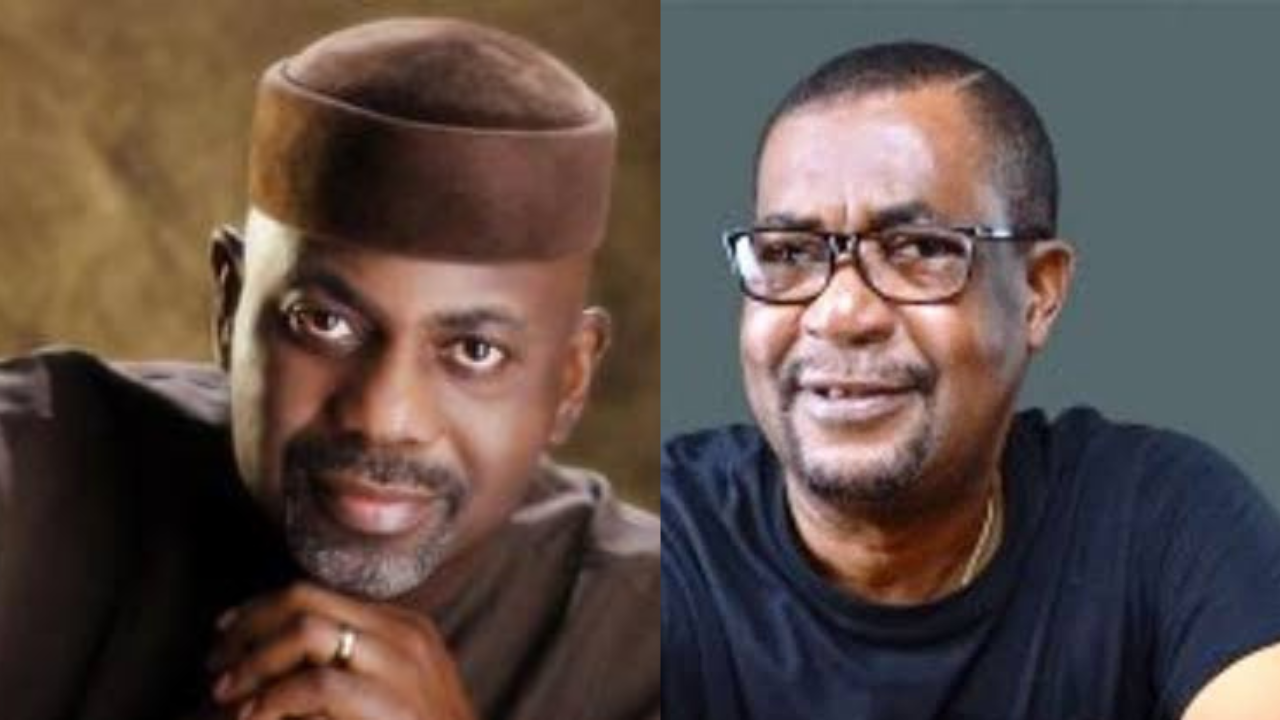
Former Minister of Power and Steel, Liyel Imoke, said on Monday that the Mambilla Hydropower station contract was given by his predecessor Olu Agunloye with the approval of the Federal Executive Council (FEC).
Mr. Imoke explained that it was not necessary to cancel the contract formally after he took office because the FEC had not approved it in the first place.
The ex-governor of Cross River State spoke in the Federal Capital Territory (FCT), Abuja. He was the sixth prosecution witness in Mr. Agunloye’s corruption trial.
Mr. Imoke became the power minister in July 2003 and served until January 2007 under former President Olusegun Obasanjo.
The Economic and Financial Crimes Commission (EFCC) called Mr. Imoke as its sixth witness against Mr. Agunloye, who faces seven charges. These include disobeying a presidential directive, conspiracy, forgery, and receiving bribes.
The charges are linked to the awarding of the $6 billion Mambilla Hydroelectric Power contract in May 2003 to Sunrise Power and Transmission Company Limited (SPTCL). A recent arbitration panel in Paris cleared Nigeria of any liability regarding the contract, accusing SPTCL of fraud.
The project was meant to be a 3,050 MW hydroelectric facility in Kakara village, Taraba State, but it was never completed.
The prosecution said Mr. Agunloye ignored a presidential directive from 2003 during an FEC meeting about the contract.
It added that Mr. Agunloye disobeyed this directive by signing a letter to SPTCL, which falsely claimed, "the approval of the Government of the Federal Republic of Nigeria for the construction of the 3,960 megawatts Mambilla Hydroelectric Power Station."
The EFCC also accused Mr. Agunloye of working with Leno Adesanya, a key player in SPTCL who is now on the run, to forge a document titled "Construction of 3,960MW Mambilla Hydroelectric Power Station on a Build, Operate and Transfer Basis" in 2003.
Other claims against him include taking over N5 million in bribes from SPTCL and Mr. Adesanya.
Mr. Agunloye has denied all seven charges.
An arbitration tribunal recently cleared Nigeria regarding the contract, finding that the deal with SPTCL involved bribery.
‘Null and void’
Trial Judge Jude Onwuegbuzie listened on Monday as Mr. Imoke, while being questioned by Mr. Agunloye’s lawyer Adeola Adedipe, a Senior Advocate of Nigeria (SAN), insisted that the Mambilla contract was null and void from the start. He said it did not need a formal cancellation.
"A contract awarded in contravention of the FEC will not require cancellation," the politician stated.
"I did not cancel the contract because the FEC did not approve it, so it was null and void. The minister does not have the power to award a contract."
He added that it is null and void since the FEC and the presidency did not approve the contract.
The Mambilla Hydroelectric Power project has also gained international attention.
Controversial contract
The project was first awarded in 2003 to SPTCL by the administration of President Olusegun Obasanjo. This contract has been under legal dispute for years. A Paris tribunal recently ruled in favor of Nigeria, saying SPTCL had accused Nigeria of breaching the contract without basis.
In 2023, Mr. Obasanjo claimed that Mr. Agunloye fraudulently awarded the contract without proper approval.
But the former minister rejected these claims, saying he is being made a scapegoat to avoid penalties from the arbitration panel in Paris for not following contract agreements.
The project was supposed to generate 3,960 megawatts of electricity and was to be built, operated, and transferred.
Imoke’s review of the contract
On Monday, Mr. Imoke shared his memories about the controversial contract.
Starting as the power minister in July 2003, Mr. Imoke recalled writing a letter on 3 September 2003 in response to SPTCL’s payment inquiry.
"When I received the letter from SPTCL, I asked for the project's file. While looking through it, I found the extract of the minutes from the FEC meeting and other documents."
"I read the discussions and directives from the FEC to the then Minister of Power and Steel. They stated that Mr. Agunloye’s memo should be withdrawn and directed the Minister to seek more proposals to ensure better discussions and investment options," Mr. Imoke explained.
After reviewing the documents, Mr. Imoke confirmed that the FEC did not approve the contract.
He then sent his findings to SPTCL.
While being questioned by Mr. Adedipe, the former governor said he did not report Mr. Agunloye.
Mr. Adedipe asked, "As a good citizen of Nigeria, is it not your responsibility to report an unlawful act?"
But EFCC's lawyer, Mr. Mohammed, objected.
The judge supported the objection and asked Mr. Adedipe to rephrase his question.
He then asked Mr. Imoke if he had a civic duty to report an unlawful act. Mr. Imoke agreed.
Mr. Adedipe further inquired if Mr. Imoke thought Mr. Agunloye had committed a crime by awarding the contract.
Again, Mr. Mohammed objected, stressing that only the court could decide that.
The judge upheld the objection, telling Mr. Adedipe to rephrase.
He then asked Mr. Imoke if he notified the FEC when he learned about the contract's issues.
Mr. Imoke replied, "No, I did not."
After this, Mr. Mohammed asked to pause the case for an urgent matter.
The judge agreed and postponed the case until 2 November.
Highlight of the case
In December 2023, the EFCC declared Mr. Agunloye wanted over this case.
The next day, Mr. Agunloye showed up at the EFCC for questioning about the failed multi-billion-dollar Mambilla Hydropower project.
The anti-corruption agency charged Mr. Agunloye in January 2024 over the Mambilla power project contract.
After changing the original charges less than a month later, the EFCC re-arraigned Mr. Agunloye on 3 February 2024.
He was re-arraigned again on 18 September 2025 after another amendment to the charges.
The EFCC has presented six witnesses in this trial.
Mr. Agunloye is facing seven counts of forgery, accepting bribes, and not following presidential directives, all of which he pleaded not guilty to.
The trial has raised questions about the minutes of the 21 May 2003 FEC meeting where the then-president allegedly issued the directive Mr. Agunloye is accused of ignoring.
The prosecution presented these minutes, which came from the Office of the Secretary to the Government of the Federation (SGF), as evidence in the trial.
Umar Babangida, an EFCC investigator, testified in the case as the third prosecution witness. He told the court last year that Mr. Obasanjo had been questioned about the case.
He also mentioned a letter from Mr. Obasanjo to the current Attorney-General, showing his readiness to testify about the Mambilla Hydroelectric Power project whenever needed for the national interest.
But the prosecution has not confirmed if Mr. Obasanjo will testify as a witness.
Mr. Agunloye has filed a lawsuit against the EFCC, claiming they violated his rights.
In March 2024, the Federal High Court in Abuja dismissed this suit.
Earlier this month, Mr. Agunloye won a defamation case against the EFCC for how they reported the trial.
Judge Peter Kekemeke of the FCT High Court found the EFCC guilty of defaming Mr. Agunloye in their publications about his trial.
The judge ordered the EFCC to pay N10 million for publishing false information against Mr. Agunloye.
Comments
No comments yet.