House of Reps Push for Clear Rules on Electric and CNG Vehicle Imports
The House of Representatives is pushing for clear guidelines on importing electric and CNG vehicles to enhance Nigeria's clean transport efforts and boost local investment.

The House of Representatives has called on the federal government to set up clear rules for bringing in electric vehicles (EVs), compressed natural gas (CNG) vehicles, and other clean transport equipment into Nigeria.
This request came after Ademorin Kuye (APC, Lagos) raised a motion during the plenary session on Tuesday in Abuja.
Mr Kuye mentioned that Nigeria has made policies to support the shift to EVs, CNG vehicles, liquefied petroleum gas (LPG) vehicles, and other clean transport options. This is part of the country's energy transition and plans to diversify the economy.
He noted that the government has rolled out tax breaks and import duty waivers to boost investment in clean transport technologies. This move aims to expand charging stations and CNG refuelling points across the nation.
Mr Kuye emphasized that the success of these policies relies on having maintenance centres, spare parts, skilled technicians, and good after-sales support.
He pointed out that Nigeria can use these import incentives to boost local investment, share technology, create jobs, and add local value. This can be done by tying the incentives to measurable investments in infrastructure and technical skills.
“Nigeria has the opportunity to encourage local investment, technology transfer, employment generation, and domestic value addition by linking import incentives to measurable investments in infrastructure and technical capacity,” he said.
He asked the federal government to create a clear licensing and approval system for importing EVs, CNG vehicles, and other clean transport equipment.
Mr Kuye also urged the National Automotive Design and Development Council (NADDC) to work with the Bureau of Public Procurement (BPP), Standards Organisation of Nigeria (SON), Nigeria Customs Service (NCS), and other agencies. They should set up fair criteria for approving importers.
Under this new system, companies wanting approval should, where necessary, set up certified service and maintenance centres in Nigeria. They must also provide genuine spare parts and warranty support, and hire and train qualified Nigerian technicians.
These companies would also need to invest in EV charging stations or CNG refuelling facilities. They must follow Nigerian safety, environmental, and technical standards, and submit consumer protection and after-sales service plans.
Mr Kuye further urged the NADDC to keep a public list of approved importers and infrastructure providers. This can help promote transparency and build consumer trust.

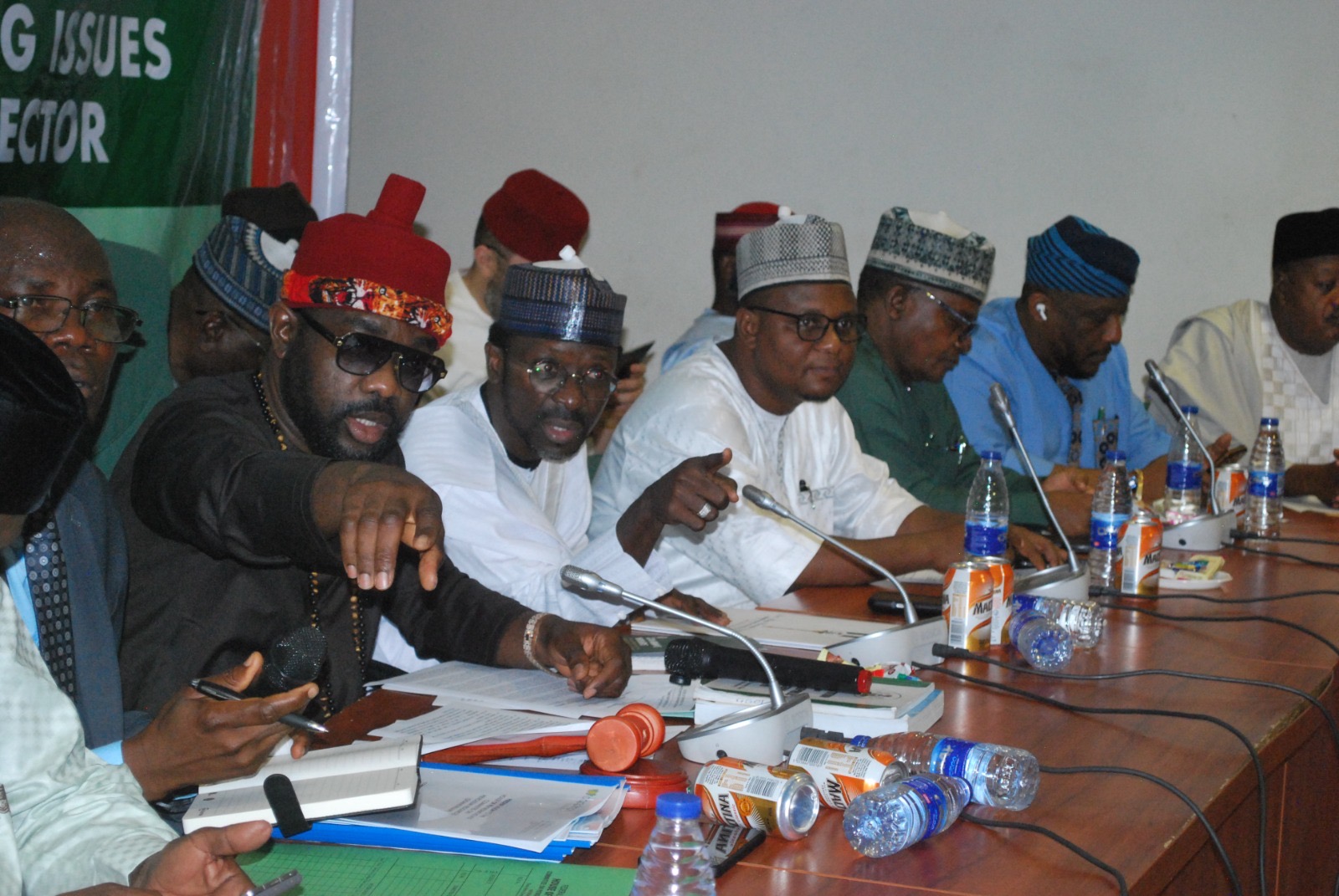
He stressed that the approval process should be open, competitive, and fair. Any company that meets the set standards should be able to get approval without favoritism.
Mr Kuye also called on the government to align tax incentives, import duty waivers, and other financial benefits with the new rules to encourage continued investment in local infrastructure.
Makki Yalleman (APC, Jigawa) supported the motion.
Dominic Okafor (APGA, Anambra) also added that importers should offer after-sales support, maintenance centres, and spare parts to protect consumers.
Adedeji Olajide (APM, Oyo) pointed out that greenhouse gas emissions contribute to global warming. He said that a proper framework for electric mobility would help Nigeria create a more eco-friendly transport system and assist in the fight against climate change.
Sada Soli (APC, Katsina) mentioned that legislation is needed to provide clear guidelines for this policy.
The House agreed on the motion after Speaker Abbas Tajudeen called for a voice vote.
They then instructed the NADDC, BPP, SON, NCS, and other relevant agencies to create fair qualification criteria for approving imports of EVs, CNG vehicles, and clean transport equipment.
The House Committees on Industry, Commerce, Gas Resources, Environment, and Legislative Compliance were also tasked with monitoring the implementation and reporting back within four weeks for further legislative action.
CNG is natural gas that is compressed to high pressure and used as fuel for vehicles. It is generally seen as a cleaner option compared to petrol and diesel since it produces lower levels of some pollutants and greenhouse gases.



Comments
No comments yet.