House of Reps puts a stop to bill banning unbranded edible oil
The House of Representatives has stepped down a bill aimed at banning unbranded edible oils in Nigeria due to pushback from lawmakers concerned about rural producers.
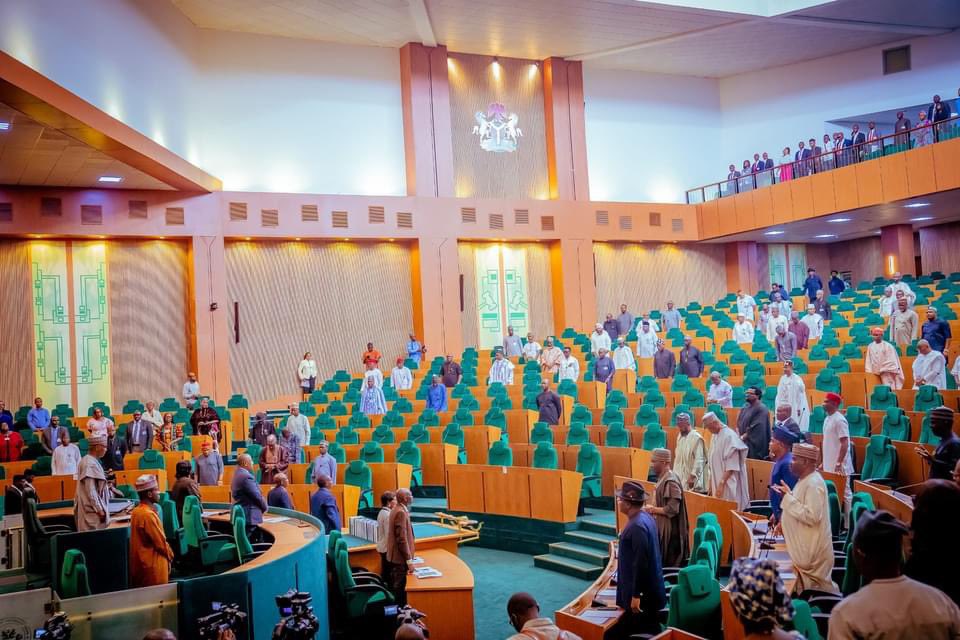
The House of Representatives has decided to step down a bill aimed at stopping the production, importation, distribution, sale and consumption of unbranded and unfortified edible oils in Nigeria.
The bill, which was introduced by Chike Okafor (APC, Imo), came up for a second reading but faced strong pushback from some lawmakers. They argued that the bill could harm rural producers and overlap with the work of existing regulatory agencies.
While presenting the bill, Mr Okafor highlighted the health risks linked to unbranded and unfortified edible oils. He mentioned the rising number of heart-related diseases and other health issues in the country.
Mr Okafor said, "67 per cent of Nigerians consume unbranded edible oil, while only 31 per cent of edible oils in circulation in the country are fortified."
He explained that the bill aimed to protect the public from the dangers of unsafe, unfortified edible oils. He stated, "The statistics of harmful and damaging effects of unbranded oils on our people from the consumption of very poisonous, unfortified and unbranded edible oil are alarming."
The bill sought to ban the production, importation, distribution and sale of these harmful oils. It also called for relevant authorities to work with research institutes and universities to improve oil production.
Mr Okafor said these measures would help to enhance food safety and reduce preventable deaths linked to unsafe oils. The bill included penalties for violations and allowed a transition period for businesses to adjust to the new rules.
He urged his fellow lawmakers to back the bill, calling it a matter of public health and national importance. He said, "Let us go into the public hearing and then take on all the other issues that will come with it. But this is a call for the health of Nigerians."
Despite his arguments, many lawmakers disagreed with the bill, especially the part that would ban unbranded edible oils. They worried it would hurt millions of rural Nigerians who rely on small-scale oil production for their livelihood.
Paschal Agbodike (APGA, Anambra) pointed out that the bill could threaten the income of rural families whose products might not meet regulatory standards. He noted, "Most of us were trained by our parents using local industries where they produce red oil, and he is telling us that the bill is calling to prohibit production."
He questioned whether small producers should have to act like large registered companies just to sell edible oils. He asked, "Are you saying there must be a very big registered company before they can operate?"
Gaza Jonathan (LP, Nasarawa) also opposed the bill. He said its focus already fell under the responsibilities of the National Agency for Food and Drug Administration and Control (NAFDAC). He suggested improving oversight of NAFDAC instead of creating new laws.
He mentioned, "When you look at this bill, I have been trying to see how I can marry it with the functions of NAFDAC. There is already an institution that is carrying out this function, which is NAFDAC."
Mr Jonathan also pointed out that the Standards Organisation of Nigeria (SON) is already responsible for product quality. He said, "Thus far, there has been a lot of emphasis on drugs. More emphasis now needs to be put into food."
Satomi Ahmad (APC, Borno) agreed that existing agencies, including SON, already regulate product quality. He suggested strengthening these institutions instead of creating new legislation that could cause confusion.
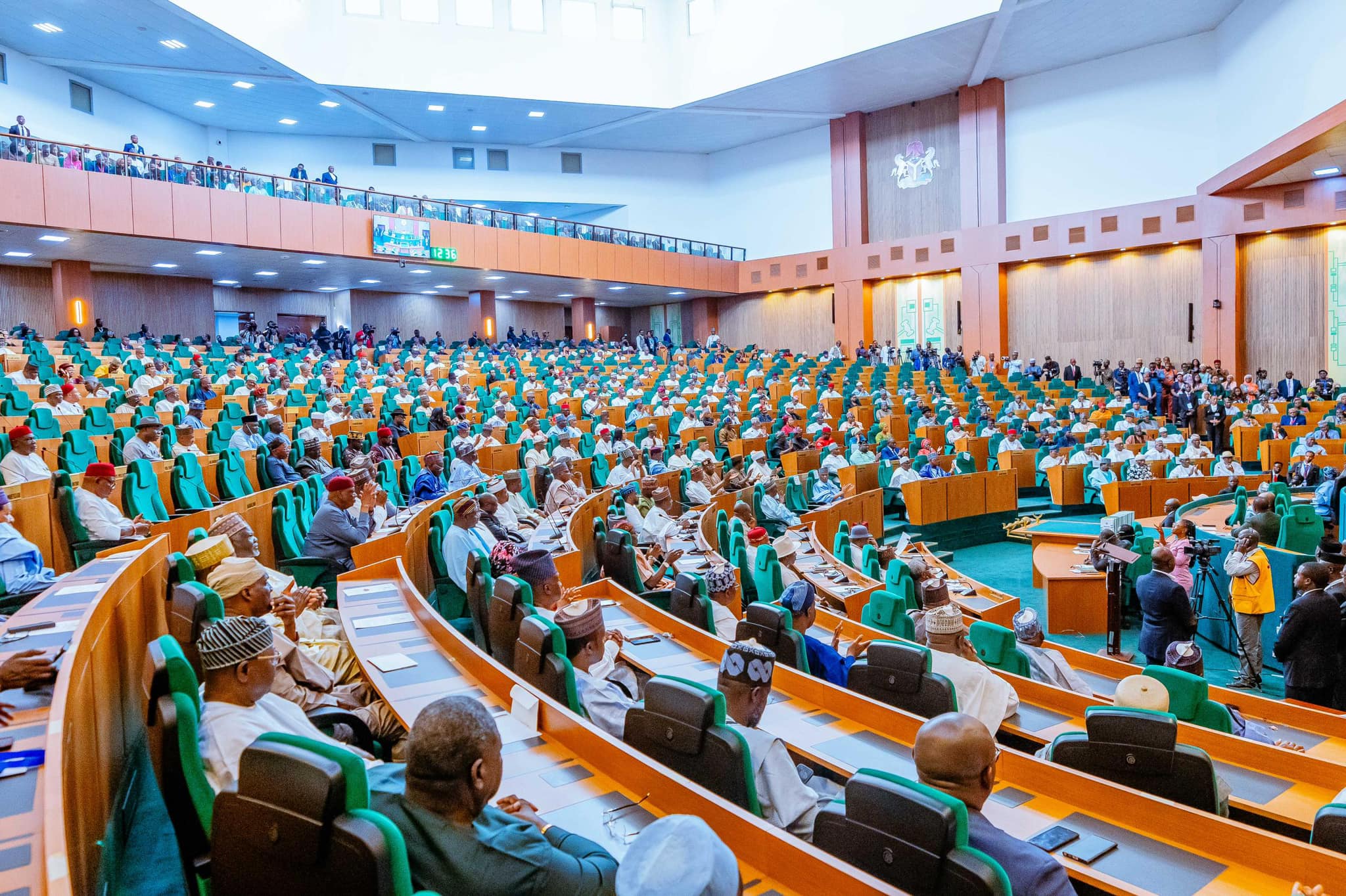
He said, "Instead of creating another bill, we should be strengthening the existing institutions’ modalities in monitoring and coordinating local content production."
Sada Soli (APC, Katsina) defended the bill. He said it was not about starting a new regulatory agency but about filling gaps in current laws. He argued that the bill would not stop local production but would improve oil quality and safety.
Mr Soli stated, "This legislation is not creating an agency. It is trying to improve an existing framework, which is not harmful."
Yusuf Gagdi (APC, Plateau) saw the bill's value but said it should align with current laws and the roles of agencies like NAFDAC. He suggested amending existing laws instead of adding new ones.
He said, "The bill is good, but my major concern is the fact that we have existing Acts."
Akeem Adeyemi (APC, Oyo) warned that making separate laws for every unbranded product could make things messy. He said, "The title of the bill is completely the function of NAFDAC."
Ibe Osonwa (LP, Abia) also raised concerns about the bill's impact on rural communities. He pointed out that the bill could make it illegal for local producers to operate.
He said, "This will be prohibiting my people from making any kind of living in a difficult time that we have today."
In response to the lawmakers' worries, Mr Okafor clarified that the bill was not meant to undermine NAFDAC or criminalize local production. He said the goal was to enhance the current regulatory framework.
He acknowledged the need to address lawmakers' concerns about the bill's relationship with NAFDAC. He said, "I think we are not understanding that what this bill is trying to do is to reinforce existing provisions."
After the debate, Mr Okafor decided to step down the bill for further review. He said, "I can see the fear and the emotions. So, Mr Speaker, permit me. I want to move to step it down so we can align properly."
He promised to review the bill to make sure it aligns with NAFDAC and other agencies. He said, "We can align it properly with the functions of NAFDAC."
The House then stepped down the bill for more consultations and harmonization with existing laws and regulations.


Comments
No comments yet.