INEC chair warns electoral officers to uphold integrity for 2027 elections
Joash Amupitan, INEC Chairman, warns electoral officers to uphold integrity and neutrality for the 2027 elections, stressing the importance of ethical conduct.
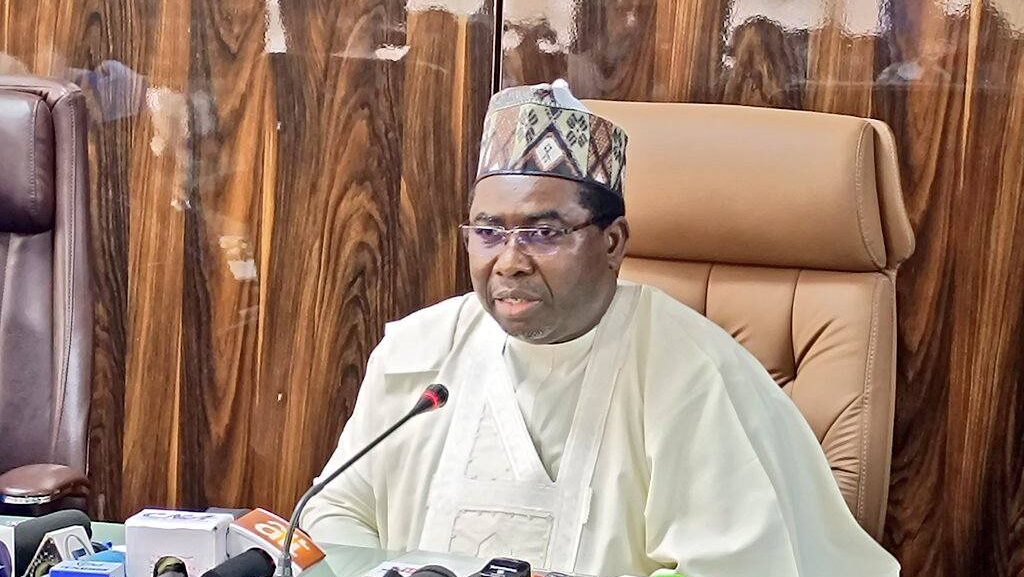
The Chairman of the Independent National Electoral Commission (INEC), Joash Amupitan, has called on electoral officers to perform their duties honestly. He warned that misconduct during the 2027 general elections will lead to serious consequences.
Mr Amupitan gave this warning on Monday in Lagos at the South-west Zonal Interactive Meeting. This meeting was about assessing readiness for the upcoming elections.
INEC will hold presidential and National Assembly elections on 16 January 2027. The governorship and State Houses of Assembly elections will take place on 6 February 2027.
Mr Amupitan stressed that partisan behavior, carelessness, and unethical conduct will not be accepted. He emphasized that the integrity of the electoral process must be maintained.
"Let me be clear that partisan leaning, administrative negligence, or compromised ethics will not be tolerated. We will enforce our code of conduct. Every officer must understand that protecting INEC’s institutional integrity is non-negotiable," he said.
He told electoral officers that they must stay neutral and conduct elections fairly, without favoring any candidate or party. According to him, the Electoral Act requires that staff involved in elections must swear an oath of loyalty and neutrality.
"When you take that oath, you are committing to an election without a preferred candidate or political party. The question should never be: ‘Who will benefit from this decision?’ It should always be, ‘What does the law require me to do?’ This discipline protects both the electoral process and the electoral officer," he noted.
Mr Amupitan also warned electoral officers against using informal solutions where laws or Commission guidelines already exist. He said, "One of the recurring problems in public administration is the temptation to solve difficult situations informally. In election administration, that temptation can be dangerous. Where the law provides a procedure, follow it. When the Commission issues a lawful guideline, follow it. If there is a problem, report it through the right channels."
He stated that the credibility of the 2027 elections would largely depend on how well electoral officials implement the law. "A well-drafted Electoral Act cannot guarantee a credible election by itself. A sophisticated electoral technology cannot ensure integrity alone. An independent electoral commission cannot guarantee public confidence by itself. The credibility of an election depends significantly on how faithfully the law is implemented by the officials in charge," Mr Amupitan explained.
He urged staff to know the law, understand their duties, remain neutral, keep records of their actions, and protect the integrity of the electoral process. "My message to you today is simple: know the law, understand your responsibility, stay neutral, document your actions, and protect the integrity of the process. Remember that every decision you make may be scrutinized publicly and reviewed legally," he said.
The chairman said INEC has started preparations for the 2027 elections. This includes focusing on technology, voter registration, logistics, staff training, and maintaining institutional integrity. He noted that the Commission registered 10,772,421 voters during the Continuous Voter Registration (CVR), pending verification through the Automated Biometric Identification System (ABIS).
Mr Amupitan added that the Commission introduced printable Permanent Voter Cards (PVCs) during the recent Osun governorship election. "Our goal is simple: no eligible Nigerian should be denied the chance to vote due to logistics. Every citizen who registers must receive their Card smoothly," he said.
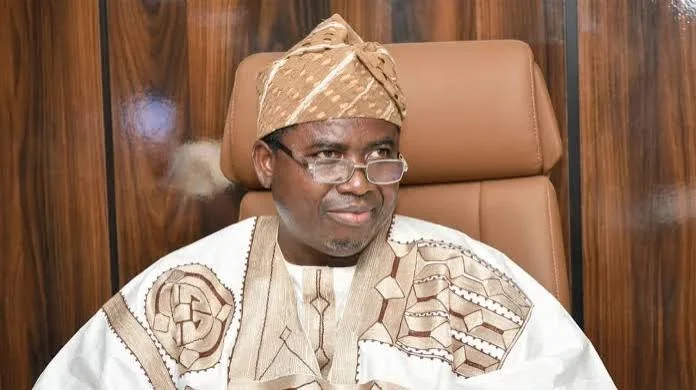
He said INEC will review its voter registration processes and fix the issues affecting PVC distribution at local government levels. He mentioned that the Commission is improving its result management systems to ensure that results from polling units to the national collation center are visible and verifiable.
"We are refining our Result Management Systems to ensure that the journey of the vote is visible, verifiable, and validated from the polling unit to the national collation center. The recently introduced eEC8A is to ensure this verification," he said.
The chairman described logistics as a constant challenge for election administration. He mentioned that the Commission is working to improve its delivery system ahead of 2027. He said INEC would tackle issues related to moving materials, early deployment, security coordination, vendor management, and training of temporary staff.
"We are applying a ‘Zero-Failure’ protocol. We are also developing ICT basic lesson tools to support our in-person training of Ad-Hoc Staff," Mr Amupitan stated.
He encouraged Resident Electoral Commissioners and Electoral Officers in the South-west to provide honest assessments of their challenges. He noted that the recent off-cycle elections, especially the Osun governorship election, showed the Commission’s capacity when discipline, technical skills, and integrity come together.
Mr Amupitan warned that the success of the off-cycle elections should not lead to complacency before the nationwide 2027 elections. "If Osun demonstrated what we can do, 2027 must show the world that excellence is our culture, not just a coincidence. The success of the 2027 election will not be measured by the number of votes cast but by the quality of the process. I expect nothing less than absolute neutrality and professional excellence from you," he said.
In his welcome speech, Ayobami Salami, INEC Resident Electoral Commissioner (REC) for Lagos State, urged South-west states to evaluate their readiness and address gaps ahead of the 2027 General Election. He noted that election credibility is not just determined on Election Day but is built through early preparation and competent personnel.
Mr Salami said the meeting was a good chance for the Commission's leaders to hear from those working on the ground. "This gives us, as field officers, the chance to present the realities, challenges, and opportunities in our states. We must ask ourselves: Are we ready for 2027, and what more do we need to do?" he asked.
Mr Salami, a professor, mentioned that the South-west has varied electoral challenges. He stressed that their readiness assessment must go beyond checklists. It must ensure their systems will work effectively during the stress of Election Day.
He said they must look at the skills of their staff, the strength of their logistics, the reliability of their technology, and their security arrangements. He added that they must also consider how well they engage political parties, civil society, the media, and voters.
Mr Salami concluded that lessons from past elections should help improve strategies, while state reports should identify gaps and the necessary actions before 2027.

Comments
No comments yet.