Investigation Reveals NSCDC Officers' Role in Niger Detention Deaths, Calls for Dismissals and Prosecution
An investigation into the deaths of 33 detainees at an NSCDC facility in Niger reveals serious misconduct by officers, prompting calls for their dismissal and prosecution.
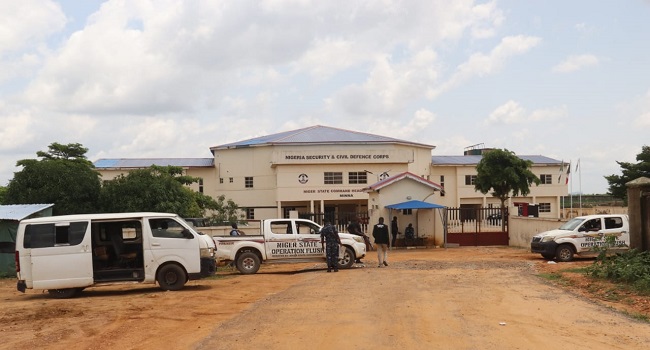
A federal investigation into the deaths of 33 people at a Nigeria Security and Civil Defence Corps (NSCDC) facility in Minna, Niger State, has revealed serious misconduct by senior officers. The report shows these officers approved operations without proper clearance, ignored warnings about possible suffocation, and did not help despite hearing pleas for assistance.
The Independent Investigation Committee's final report explains how an investigator looked at the overcrowded detention cell but did not order any action. A guard also refused to open the door while detainees screamed and banged for hours.
The report also highlighted the detention of children with adults, tampering with evidence after the deaths, and the illegal detention of a man arrested over a private debt.
The report blamed the poor and degrading conditions of detention, which led to the deaths of 33 detainees, including 14 children, on the actions and negligence of the officers involved.
This led to the committee recommending the dismissal of six NSCDC officers, including the suspended Niger State commandant, Suberu Siyaka. They also suggested criminal charges against Mr. Siyaka and four others.
The report was handed over to Interior Minister Olubunmi Tunji-Ojo on 27 October, following an investigation into the deaths that occurred on 16 and 17 September. The committee's findings are just investigative, not criminal convictions.
Commandant Suberu Siyaka Approved Operation Without Clearance
The committee found that Mr. Siyaka approved operations against suspected illegal miners on 15 and 16 September without an approved operational order or proper planning. He also ignored the NSCDC National Headquarters and did not involve the Mining Marshal Unit in Minna.
These operations led to the arrest of 75 people, who were then detained. Mr. Siyaka told investigators that the detention facilities could hold 40 people in two cells. However, the committee found that about 50 male detainees, including 17 children, were crammed into one cell.
The report criticized Mr. Siyaka for not supervising properly and not following lawful detention procedures.
He told the committee that he left the command around 6 p.m. on 16 September and got a call about the deaths around 7 a.m. the next day. He expressed shock and informed the NSCDC Commandant-General, the Niger State governor, and other security agencies.
The committee also criticized him for claiming the deaths were due to a disease outbreak, which they saw as an attempt to cover up what really happened. They recommended his dismissal and that the Attorney General of the Federation prosecute him and four others for murder, torture, inhumane treatment, and criminal negligence.
Investigation Chief Inspected Cell but Took No Action
Sunday Oluwadare, a chief superintendent of corps who led the command's Investigation Unit, is accused of allowing unlawful detention and ignoring legal warnings.
The report states that he approved the detention of suspects, including children, without following legal procedures. It also pointed out two detainees, Emmanuel Emeka, 25, arrested for a private debt, and Adamu Abdulkadir, 25, a suspected illegal miner, who were held without remand warrants.
On the evening of 16 September, guards informed Mr. Oluwadare about the extreme heat in the detention cell. He went to check but left without telling officers to reduce the number of detainees or take any other action.
A legal officer had warned that the mining offense was bailable, and a medical worker warned that overcrowding could lead to suffocation. The committee found these warnings were ignored. They recommended Mr. Oluwadare's dismissal and criminal prosecution.
Guard Refused to Open Cell Despite Cries
The report also pointed out the failures of Usman Ndamaka, a superintendent of corps in charge of cell guards, and Hassan Mohammed, an assistant superintendent of corps I who was the night guard.
Mr. Ndamaka admitted that about 50 male detainees, including children, were confined in a cell meant for about 20 people. He told Mr. Mohammed not to open the door without armed backup, fearing the detainees might escape.
Mr. Mohammed, who started his shift at 8 p.m. on 16 September, heard the cries and banging from the cell. Two guards urged him to act, but he refused to open the door, following his superior's instructions.
One of the guards said the cries stopped around 2:30 a.m. The committee found that Mr. Mohammed neither opened the cell nor called for help. They recommended his dismissal and prosecution.
Supervisor Missed Emergency Call
The committee also looked into Mr. Ndamaka's failure to respond to an emergency call from the night guard.
The report states that Mr. Mohammed called him around 10:37 p.m. on 16 September. Mr. Ndamaka did not answer because he was asleep. He returned the call around 6 a.m. the next day and reported for duty around 7 a.m.
When officers finally opened the cell, they found 33 detainees, including 14 children, had died. The committee criticized Mr. Ndamaka for blocking intervention, failing to respond to the emergency, and neglecting his duties. He was also found to be involved in cleaning the area after the deaths.
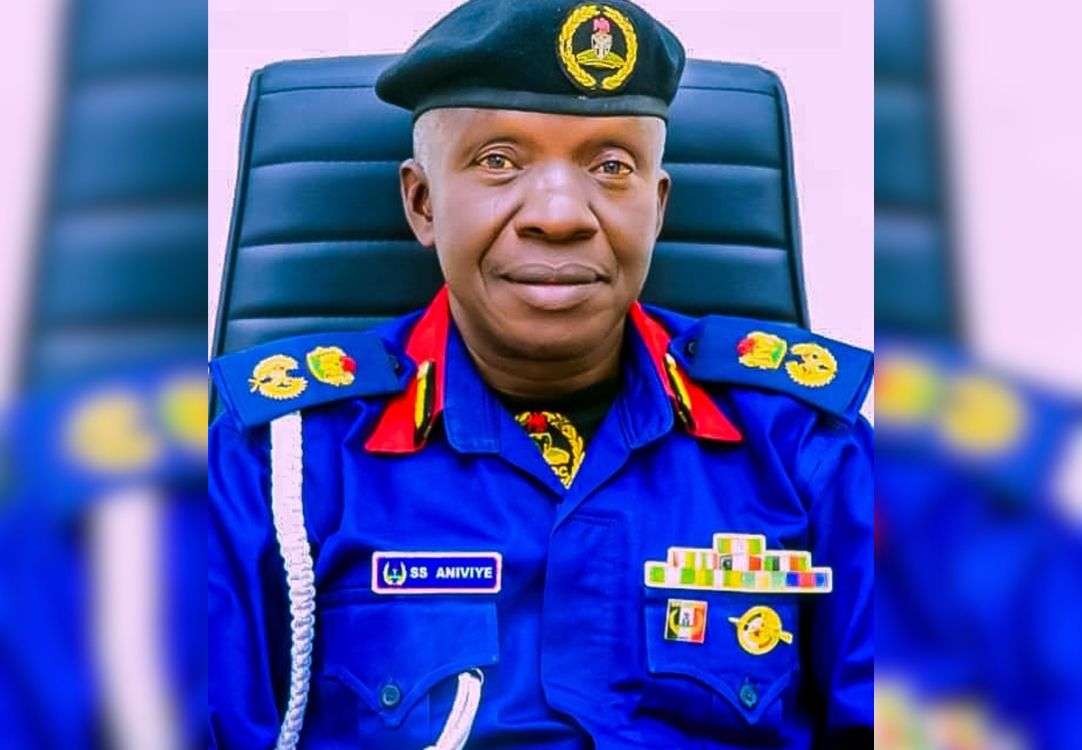

An arms commander, Annas Shittu, a chief superintendent of corps, told investigators he saw Mr. Ndamaka and four others cleaning the area before forensic examiners arrived. The committee recommended Mr. Ndamaka’s dismissal and prosecution for interfering with the crime scene.
Profiling Officer Detained Children Alongside Adults
The committee also implicated Abubakar Dabban, a deputy superintendent of corps and profiling officer, for processing children into adult detention cells.
The report says Mr. Dabban recorded four children under 14 during profiling but still put them in detention with adults. He admitted he had never read the NSCDC Standard Operating Procedure.
Survivors claimed that money and gold dust belonging to detainees were unaccounted for. Some survivors identified Mr. Dabban as the officer who intimidated a detainee after he complained that N1.35 million was missing from his bag. Other allegations involve unrecorded cash and gold dust worth about N130,000 to N170,000.
Mr. Dabban denied intimidating detainees or taking money or gold dust from them. Despite this, the committee criticized how he handled detainees and evidence. They recommended his dismissal and called for an investigation into allegations of extortion and mismanagement by the Economic and Financial Crimes Commission and the Independent Corrupt Practices and Other Related Offences Commission.
Mr. Dabban was not among the five officers recommended for criminal prosecution related to the deaths.
Officer Implicated in Unlawful Private-Debt Detention
The committee also looked into the case of Emmanuel Emeka, 25, who died along with the suspected miners.
Mr. Emeka was arrested on 12 September over a private debt linked to Wilfred Ugwu of Okoma Pharmacy Ltd, Minna. The report says NSCDC officer Musa Marafa, an assistant superintendent of corps I, arrested him without a warrant, and he stayed in NSCDC custody until his death on 17 September.
The committee found Mr. Marafa admitted to charging a N25,000 tracking fee, explaining that the command did not have the tools for tracking operations.
They found Mr. Emeka’s arrest and detention were unlawful. They recommended Mr. Marafa’s dismissal and prosecution, along with a further investigation into the roles of the complainant and the NSCDC area commander involved in the case.
Discrepancy in Administrative Sanctions
Besides the six officers recommended for dismissal, the committee suggested administrative sanctions against four others for management failures.
The formal recommendations named Philips Ajayi, Agrahau John Chagwa, Obafemi Elvis, and Garba Aminu Sule Usman.
The report found Abdul Shehu, the command’s second-in-command, showed management incompetence by failing to advise the commandant but recommended no sanction against him.
Mr. Shehu, a deputy commandant of corps, told the committee he was sidelined during the operation. After finding out about the deaths on 17 September, he gave N10,000 to Obafemi Elvis, also a deputy commandant of corps, to buy burial shrouds from Kasuwan Gwari market to cover and move the bodies to the morgue.
The report also accused Garba Aminu Sule Usman, a deputy superintendent of corps, of “gross incompetence” without giving details. He was named among those recommended for administrative disciplinary actions.
The report also suggested lifting suspensions of officers found not guilty of the deaths and praised personnel who raised warnings or helped with the investigation.
Committee Recommends Criminal Proceedings
The committee called on the Civil Defence, Correctional, Fire and Immigration Services Board to hold a special meeting within 30 days to discuss the dismissal of the six officers. They also suggested sending the case file to the Attorney-General of the Federation for criminal action.
The recommended charges include murder, torture, inhumane treatment, and criminal negligence.
The committee also suggested reforms to NSCDC supervision, detention procedures, documentation, and emergency response systems.
The Federal Ministry of Interior confirmed receiving the report on 27 October. The minister said it would be sent to the Attorney-General of the Federation. The materials reviewed by PREMIUM TIMES do not show if the recommended dismissals or criminal actions have started.


Comments
No comments yet.