33 detainees, including 14 children, die in NSCDC custody in Niger
A government report states that 33 detainees, including 14 minors, died in NSCDC custody due to overcrowding and neglect. The investigation highlights serious child protection failures.
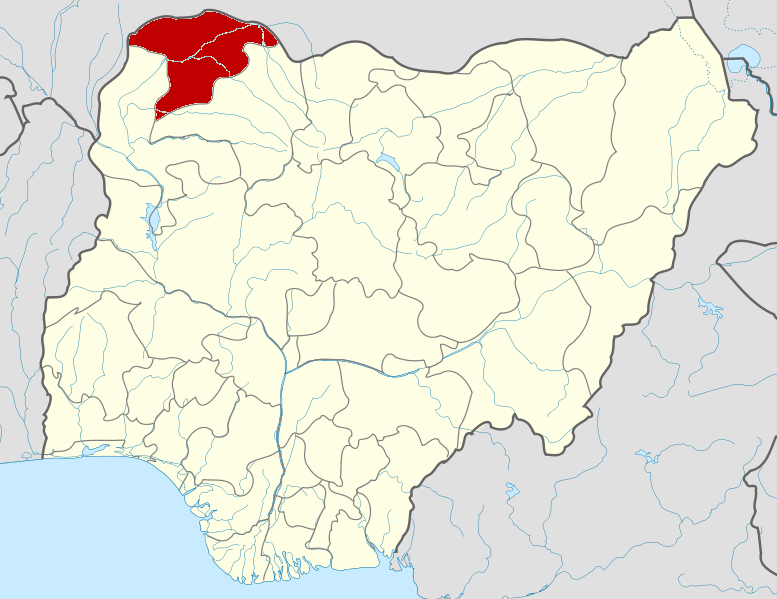
Fourteen children were among the 33 detainees who died while in the custody of the Nigeria Security and Civil Defence Corps (NSCDC) in Minna, Niger State, in September. Some of the detainees were people displaced by bandit attacks, according to a government investigation report.
The Federal Ministry of Interior set up an Independent Investigation Committee. They said the minors were part of those arrested during raids on suspected illegal mining sites on 15 and 16 September.
"Our findings established an authenticated casualty toll of thirty-three (33) deaths in custody; fourteen (14) of whom were verified minors resulting directly from cell overcrowding, total atmospheric collapse, environmental asphyxia and gross custodial negligence," the report seen by PREMIUM TIMES stated.
The report confirmed that four of the deceased children were under 14 years old. It criticized the detention of children with adults in the same cell.
"Holding adults and minors together further breached child-protection requirements," the report said. Such treatment of child detainees showed a total disregard for the NSCDC’s Standard Operating Procedure.
The report also revealed that many people arrested for illegal mining were internally displaced from communities in Shiroro, Munya, Rafi and Mariga Local Government Areas of Niger State. The committee, led by Jonathan Kure, said bandits had attacked their homes, forcing them to flee and abandon farming. Some turned to illegal mining to survive.
The report said surviving detainees called on the federal and Niger state governments to boost security operations. They want to return to their communities and farming.
The committee submitted its findings to the Minister of Interior, Olubunmi Tunji-Ojo, on 27 October. It stated that the NSCDC Niger State Command carried out the raids after receiving complaints about mining activities around the M.I. Wushishi area.
The mining sites were licensed to Ozams Consult and Services Limited and Prixair Resources Limited. The operation was done without an approved operational order, proper planning, or consultation with relevant mining authorities.
The specialised Mining Marshals Unit was not involved, and the NSCDC national headquarters was not informed before the raids. By the evening of 16 September, 75 people had been detained. After one person was released, 74 remained in custody overnight.
The committee found that about 50 male detainees were held in a cell measuring around 12 square metres. The cell had a solid metal door, poor ventilation, no running water, and no functioning toilet.
Food and drinking water were either unavailable or inadequate, and adults and minors were held together. The committee verified 33 deaths and identified 41 survivors, including nine minors among those interviewed.
The report stated that the deaths were due to severe overcrowding, poor ventilation, exposure to heat, and dehydration. Medical examinations on three bodies showed acute respiratory failure consistent with environmental asphyxia.
The other 30 bodies had been buried before medical personnel arrived, which limited post-mortem examinations. The committee recommended N30 million compensation for each of the 33 families who lost loved ones and N10 million for each of the 41 survivors, totaling N1.4 billion. These survivors include nine minors under 18.
It also called for educational support for dependents of deceased detainees, medical rehabilitation for survivors, and psychosocial support for affected families.






Comments
No comments yet.