JUTH's Psychiatric Unit Faces Pressure as Mental Health Cases Rise
As mental health cases increase, JUTH's psychiatric unit is overwhelmed, forcing families to wait for beds. This situation reflects broader issues in Nigeria's mental health system.
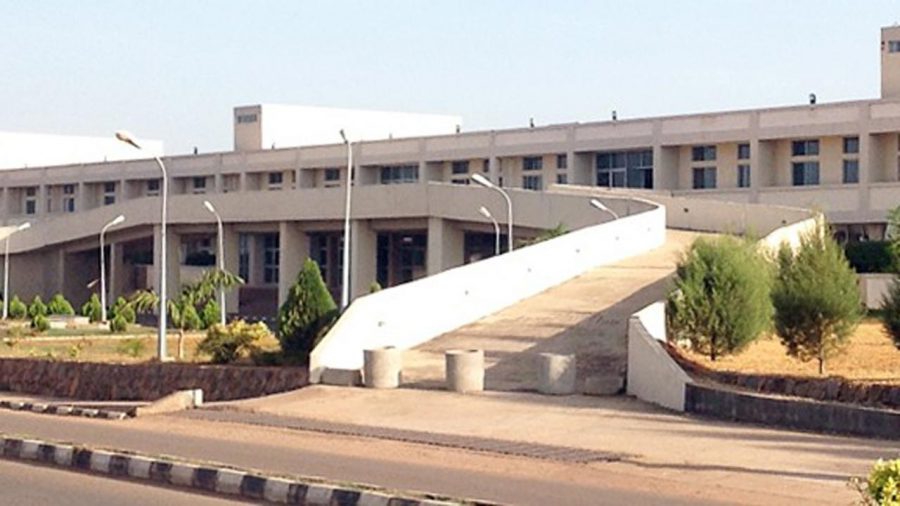
For three days, Emmanuel John waited nervously in the psychiatric emergency unit of the Jos University Teaching Hospital (JUTH), hoping a bed would open up for his daughter.
She was sent to the hospital after having a serious mental health episode, but every bed in the psychiatric ward was full. She stayed in the emergency unit, where doctors and nurses kept an eye on her condition while the family waited for a bed.
“We spent three days there because there was no bed,” Mr John told PREMIUM TIMES.
When a bed finally became free, the family’s joy was short-lived. Mr John said his daughter was discharged quickly to free up her bed for patients who were in worse condition.
“I was disappointed, but I didn’t blame the doctors,” he said. “They were doing everything they could. The real problem is that there are too many patients and too few beds.”
Mr John’s experience shows the growing pressure on one of North-central Nigeria’s main centres for mental healthcare.
More families are facing a similar situation at JUTH. As more Nigerians seek help for mental illness, the hospital’s psychiatric department is struggling to meet the demand, leaving many waiting for admission and stretching the healthcare workers thin. This also reveals the larger issues in Nigeria’s mental health system.
A PREMIUM TIMES investigation, based on interviews with patients’ relatives, healthcare workers, hospital management and mental health experts, found that the rising demand for psychiatric services is pushing JUTH’s capacity to the limit. Clinicians are forced to make tough decisions about who gets admitted and who gets discharged.
Though JUTH has not shared annual psychiatric admission numbers, hospital officials and mental health workers told PREMIUM TIMES they have seen a consistent rise in patients over the years. They linked this trend to more substance abuse, worsening economic struggles, insecurity, and increased public awareness that has led more people to seek treatment.
Families in Crisis
Mr John’s family is not alone.
Patience Samuel shared a similar story when her son developed a severe mental health issue and was taken to JUTH for care.
After an assessment, the family was told there were no beds available.
“They attended to him, but they couldn’t admit him because there was no bed,” she said.
With no other options, the family went to a private hospital, which put a heavy financial strain on them.
“If there had been space at JUTH, we would have stayed because treatment there is more affordable,” she said.
Their stories highlight the tough choices many Nigerian families face while relying on public hospitals for mental health care.
Overstretched Facility
During several visits to JUTH’s psychiatric department, this reporter saw worried relatives waiting around the emergency unit as healthcare workers attended to patients needing admission.
Hospital management confirmed that the department has only two inpatient wards: a 20-bed male ward and a 15-bed female ward. When the wards fill up, new patients wait in the emergency section until space opens up.
Healthcare workers, who wished to remain anonymous, described the shortage as a long-standing issue.
They explained that clinicians often have to balance the needs of current patients with those arriving in critical situations. Because of this, patients who are stable may be discharged sooner than doctors would prefer to make room for emergency cases.
For many families, the options are few: wait for days unsure if they will get admitted or seek care at costly private facilities that are often beyond their budget.
A National Challenge
The pressure on JUTH reflects a broader crisis in Nigeria’s mental health system.
According to the Federal Ministry of Health, only about one in five Nigerians with severe mental illness gets the proper treatment, creating a treatment gap of around 80 percent.
A lack of specialists has worsened access to care. Nigeria has fewer than 300 psychiatrists serving a population of over 200 million, with most of them in big cities.
Mental health advocates say this situation comes from years of underfunding, ongoing stigma, limited community services, and healthcare professionals leaving the country.
These issues have increased the pressure on tertiary hospitals like JUTH, which now handle referrals from nearby states, even as their resources are stretched.
Despite this growing burden, recent policy reforms aim to improve mental healthcare. The National Mental Health Act replaced older laws and seeks to strengthen mental health services, encourage community-based care, and protect the rights of people with mental illness.
But experts say real change will need ongoing funding, better infrastructure, and more specialized staff.
Amid this, JUTH has become a lifeline for many families looking for affordable psychiatric care, making the pressure on its limited resources even tougher.
Hospital Management Responds
The Chief Medical Director of JUTH, Pokop Bupwatda, admitted that the psychiatric department is under a lot of pressure but said the hospital is taking steps to improve capacity and services.
In an interview with PREMIUM TIMES, he connected the rise in psychiatric admissions to more young people abusing drugs.
“We have seen many cases related to substance abuse, especially among young people,” he said. “It is one of the biggest challenges confronting mental healthcare today.”
Mr Bupwatda noted that the issue goes beyond just patients seeking help.
“We have even discovered some staff members abusing substances. Whenever such cases arise, we make sure they receive proper rehabilitation because our priority is to help them recover.”
He emphasized that tackling substance abuse needs a united effort from families, schools, religious groups, communities, and the government, stating that hospitals alone cannot reverse the trend.
His concerns echo national findings.
According to the United Nations Office on Drugs and Crime (UNODC), about 14.3 million Nigerians aged 15 to 64 used psychoactive substances in 2018, with a prevalence rate of 14.4 percent, which is more than double the global average at that time.
The survey is Nigeria’s most thorough national assessment of drug use and still influences discussions on substance abuse and mental health. Cannabis is the most frequently used illegal drug, while the misuse of opioids like tramadol and codeine continues to cause addiction and mental health issues across the country.
Mental health experts say long-term drug abuse can lead to psychosis, worsen existing mental health problems, and increase the chances of relapse, making treatment harder and recovery longer.
Mr Bupwatda said the Federal Government’s policy requiring drug tests for new employees in federal health institutions is one of several steps to address this issue.
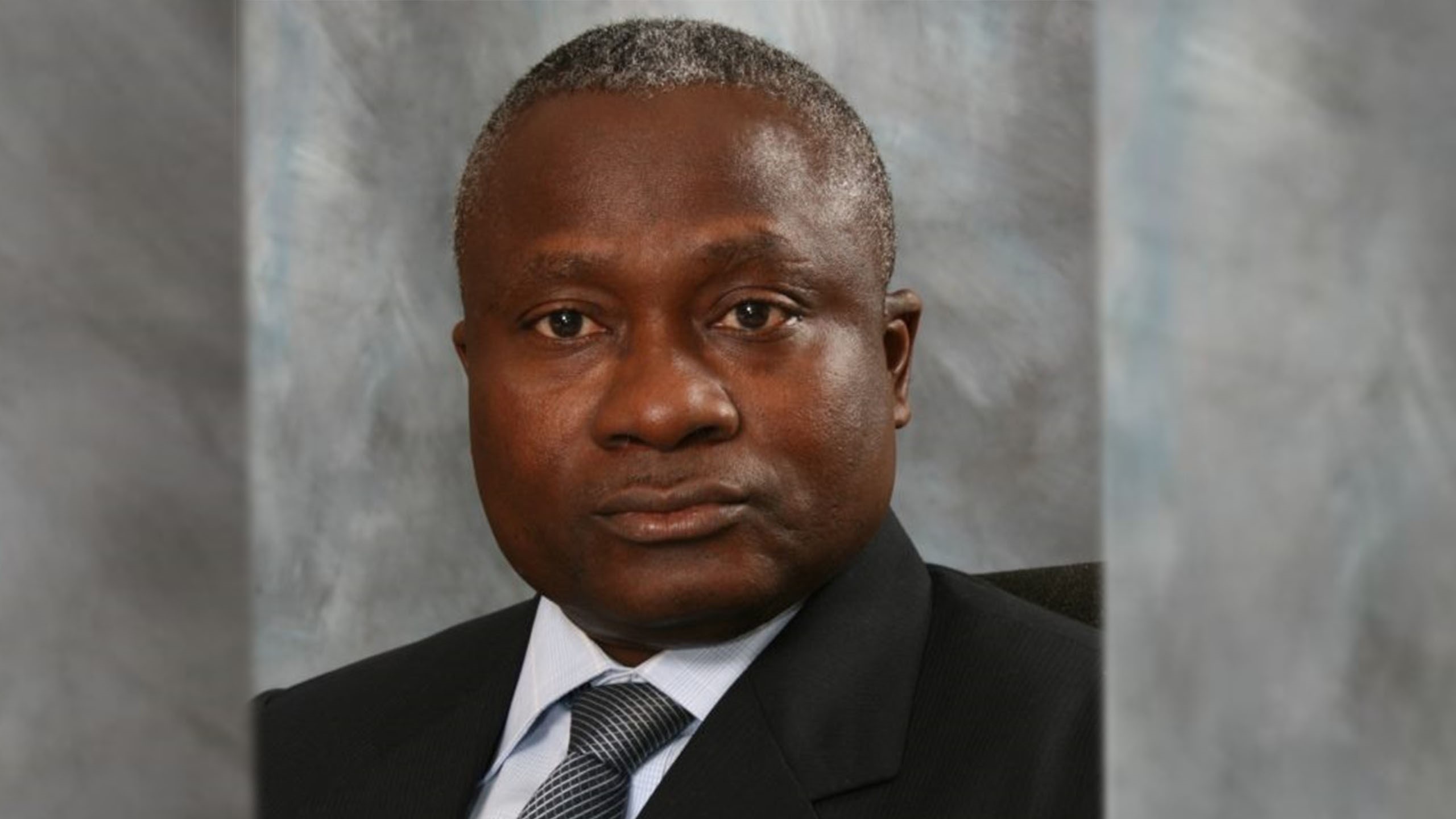

“The aim is to identify those who need help before they enter the workforce,” he said. “When necessary, rehabilitation is provided because the goal is not punishment but recovery.”
Shortage of Specialists
Besides the lack of bed space, the hospital is also facing a shortage of specialized staff.
Mr Bupwatda acknowledged that the psychiatric department is overwhelmed, referring to the issue as part of a larger healthcare worker crisis in Nigeria.
“Yes, they are overwhelmed,” he said. “But this reflects the broader shortage of healthcare workers across the country. It is not a problem limited to psychiatry.”
He explained that psychiatric care needs special training, making it harder to recruit compared to other medical areas.
“It is not every doctor or nurse that can work in psychiatry,” he said. “We are training more psychiatric nurses to strengthen the department and improve service delivery.”
During visits to the psychiatric department, this reporter saw relatives sitting quietly outside the emergency unit while nurses moved between patients waiting for admission. Inside, clinicians were attending to new referrals even though the inpatient wards were full, showcasing the pressure on the department.
Despite these challenges, relatives of patients praised the dedication of doctors and nurses, saying staff continued to provide caring treatment even with limited resources.
Security Concerns
The investigation also revealed concerns about security in parts of the psychiatric complex.
This reporter noted areas of the complex that were not fully enclosed. Some healthcare workers, who wanted to remain anonymous, voiced worries that the layout could allow patients to leave the premises without permission.
Others claimed that banned substances sometimes get into the facility through visitors, which could hinder the recovery of patients receiving treatment for drug-related mental health issues.
In response to these allegations, Mr Bupwatda said he was unaware of the concerns but promised to look into them.
“I am hearing that for the first time,” he said. “I will discuss it with the Head of Department. If there are security lapses, we will address them because the safety of our patients remains our priority.”
He added that improving security is part of the hospital’s larger expansion plans, which are expected to enhance both patient safety and the quality of psychiatric care.
Expansion Offers Hope, but Challenges Remain
Mr Bupwatda stated that the ongoing expansion of JUTH’s psychiatric complex is set to relieve pressure on the department by increasing admission capacity and improving the treatment environment.
According to him, the complex was designed to be developed in phases, with the current wards being just the first stage of the project.
He revealed that the second phase is between 90 and 95 percent complete and will provide additional wards and treatment spaces once it is opened.
“Our goal is to ensure that more patients receive timely care in a safer and more welcoming environment,” he said.
The CMD added that JUTH’s relatively low treatment costs, compared to private hospitals, have also resulted in a growing number of referrals from Plateau and nearby states.
“For many families, this hospital remains the most affordable option,” he said. “That is why we must continue expanding our facilities to meet the increasing demand.”
Experts Call for Wider Reforms
Mental health experts, however, warn that just expanding one hospital will not be enough to close Nigeria’s widening mental health gap.
Mary-Jane Samuel, a Jos-based mental health expert, described the experiences of patients and their families as proof of years of underinvestment in mental health services.
“The burden of mental illness is increasing, but investment in mental healthcare has remained inadequate,” she told PREMIUM TIMES.
While she welcomed JUTH’s expansion project, she stressed the country must also invest in human resources by hiring more psychiatrists, psychologists, psychiatric nurses, occupational therapists, and social workers.
According to her, strengthening mental healthcare at primary and secondary health facilities would help reduce unnecessary referrals to tertiary hospitals.
“Many patients should be able to access treatment closer to their communities instead of travelling long distances to referral hospitals,” she said. “Early diagnosis and treatment at lower levels of care will lessen the burden on facilities like JUTH.”
Mrs Samuel also called for increased funding for psychiatric medicines, counseling services, and rehabilitation programs, stressing that effective mental healthcare goes beyond hospital admissions.
Though the National Mental Health Act provides a legal framework for improving access to care, protecting patients’ rights, and promoting community-based treatment, Mrs Samuel warned that laws alone will not change services without more funding.
She said expanding psychiatric units, hiring specialists, and strengthening mental healthcare at primary and secondary facilities are all crucial if tertiary hospitals like JUTH are to avoid being overwhelmed.
Waiting for Change
For Emmanuel John, the discussion about mental health funding is very personal.
He still remembers the stress of seeing his daughter spend three days in JUTH’s emergency unit because there were no beds available.
While he praised the doctors and nurses for their professionalism, he believes that no family should have to go through such an experience before getting proper care.
“I hope the government completes the new building quickly,” he said. “If there are more beds, other families will not have to go through what we experienced.”
Mrs Samuel shared a similar hope.
“If there are more wards and more doctors, it will help families like ours,” she said.
Months after his daughter’s admission, Emmanuel John still remembers the uncertainty of waiting three days for a hospital bed. While he remains thankful for the care she received, he thinks no family should have to wait during a mental health emergency due to a lack of facilities.
His experience reflects a challenge that goes beyond JUTH. As mental health needs keep growing across Nigeria, experts say improving access to care will require more than new laws. It will need ongoing investment in specialized staff, hospital infrastructure, and community services to ensure families seeking help can receive prompt treatment when they need it most.





Comments
No comments yet.