Plateau Youth Group Shares Demands for Future Leaders
The Plateau State Youth Council has shared demands for future leaders, emphasizing job creation and inclusive governance based on a survey of local youth.

A youth group in Plateau State on Tuesday shared a list of demands urging governorship candidates to focus on job creation, security reforms, and inclusive governance. They also proposed ways to monitor candidates' performance if elected.
The list was created by the Plateau State Youth Council (PYC) with help from the Youth Initiative Against Violence and Human Rights Abuse (YIAVHA). It is based on a survey of 782 young people from the state’s 17 local government areas.
Named “Plateau Youth Charter of Demands for Peace and Inclusive Governance,” the document includes proposals on jobs, peacebuilding, participation in elections, and inclusion.
It aims to make sure that young people's concerns are part of candidates’ policy plans and that promises made during campaigns can be checked after the elections.
At a meeting held at the Youth Centre in Jos, PYC chairman Pannan Dafar said politicians often use young people's energy to win elections but do not involve them in governance afterward.
He mentioned that the charter was made to give young people a common way to engage with political candidates and to ensure that their worries shape government policies.
According to Mr Dafar, the document was created using surveys, town hall meetings, and community discussions, including outreach to young people without smartphones.
It also includes views from young women and people with disabilities.
He said the council plans to hold town hall meetings with governorship candidates after getting feedback from relevant stakeholders.
Unemployment is the biggest issue
Unemployment was the top concern among those surveyed, with 57.7 percent saying it is a major challenge.
Farmer-herder conflict followed closely at 49 percent, while drug and substance abuse was mentioned by 47.3 percent.
The charter also found that over 55 percent of respondents were either unemployed or struggling with unstable self-employment.
They pointed out insecurity, lack of access to funds, poor government support, and favoritism in hiring as big obstacles to economic opportunities.
Respondents asked the state government to create more job opportunities, offer low-interest loans, support small businesses, modernize agriculture, and set up technology hubs and vocational centres to build digital skills.
The document also suggests targeted economic help for marginalized groups, including young women and people with disabilities.
It calls for public buildings, transport, and information to be accessible, along with skills development programs and stronger measures against gender-based violence and sexual harassment.
Youths demand security changes
The charter highlights unemployment, farmer-herder violence, drug abuse, community conflict, and religious tensions as major threats to peace and security in Plateau State.
It reported that 68.7 percent of respondents wanted a move from central security financing to local community-led systems.
The youths called for more investment in community security programs, dedicated budgets for youth-led peacebuilding, and formal youth roles in security committees at various levels.
The document also suggests a task force on substance abuse to combine rehabilitation, civic education, and law enforcement.
These recommendations aim to give young people a bigger role in spotting security threats, preventing violence, and promoting peace in their communities.
68% unhappy with youth involvement in governance
The survey showed that 68.2 percent of respondents found youth participation in governance unsatisfactory, while 31.8 percent saw it as good or very good.
They said young people often do not have access to decision-makers and are left out of policy-making, planning for jobs, and local government decisions.
They asked for guaranteed youth representation in creating youth programs, security policies, job initiatives, and other decisions that affect their communities.
Nan’akyen Yarima, a participant at the meeting, criticized how politicians mobilize young people during elections but neglect their interests afterward.
She said young Nigerians are not well represented in governance, even though they make up a large part of the population.

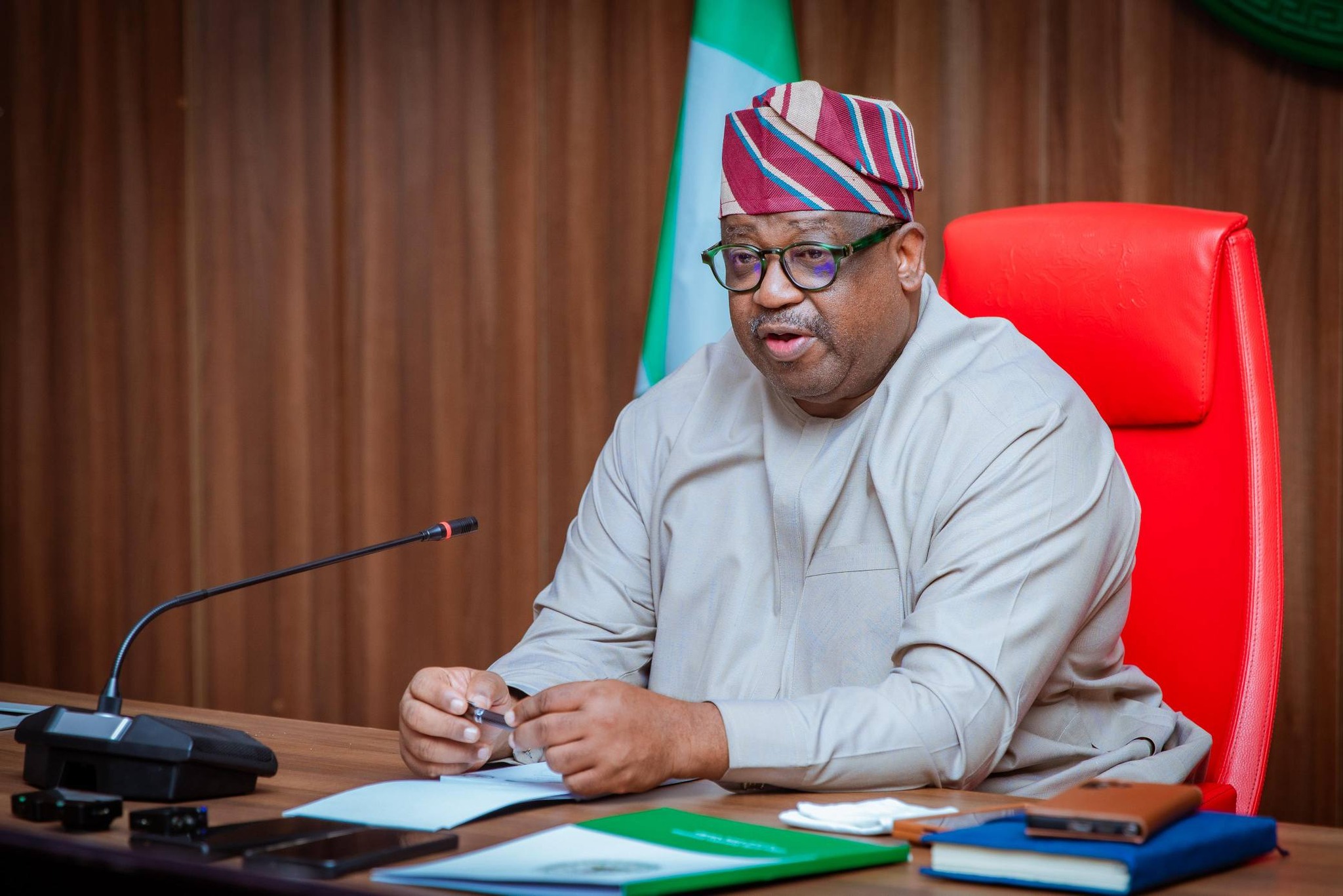
“This government is not youth friendly, is not youth inclusive,” she said, calling the charter a chance for young people to help shape policies that affect their future.
The document also points out political violence, vote-buying, manipulation by elites, economic struggles, and ethnic or religious mobilization as threats to peaceful elections.
It calls for penalties against electoral violence, hate speech, and misinformation, as well as lower nomination fees and other barriers that keep young people from running for office.
SPRING leader supports the initiative
Okoha Ukiwo, team leader of the Strengthening Peace and Resilience in Nigeria (SPRING) program, praised the charter as a key tool for ensuring young people's needs are considered in politics.
He said the initiative allows young people to express their priorities to political candidates and to evaluate them based on their responses.
“Unless you make your position known, your position will not be known, and your interests will not be taken into consideration in politics and in governance,” Mr Ukiwo said.
He commended the PYC for using research to identify young people's concerns and turn them into demands for political leaders.
Mr Ukiwo said the initiative shows practices in established democracies, where citizens organize around policy issues and use them to judge candidates before voting.
He hopes this approach will affect voting decisions in Plateau and inspire similar initiatives among young people across Nigeria.
Charter includes monitoring plans
Jacob Pwakim, executive director of YIAVHA, stated that the charter will set clear indicators to assess political candidates and parties’ promises.
He said youth groups often rally supporters during elections without a way to check what politicians do afterward.
“This time around, the Plateau Youth Council have developed a document that will shape conversations for now and for the future,” Mr Pwakim said.
He added that the charter will let young people evaluate politicians based on their pre-election promises.
“Once you’ve made the commitment and you win the elections, we’ll come and assess you and your political party by these key performance indicators that we’ve set out in this,” he said.
Mr Pwakim said YIAVHA supports the initiative under its Building Bridges for Peace project, funded through SPRING with backing from the UK Foreign, Commonwealth and Development Office.
To make sure the demands are not forgotten after the elections, the charter suggests a multi-sector committee made up of government ministries, civil society groups, youth organizations, peacebuilding bodies, and development partners.
This committee would monitor how well elected officials keep their promises from 2027 to 2031.
Other suggestions include youth representation on state boards, an independent Plateau Youth Advisory Council reporting to the governor, biannual government-youth dialogues, and platforms for public feedback.
The charter also wants young people to take part in budget discussions to ensure that spending matches their priorities.
These ideas remain proposals in the charter and would need action from relevant authorities to be put into practice.
PYC plans to expand nationally
The PYC said it wants to take the initiative to the National Youth Council of Nigeria to promote a similar plan that meets the needs of young people across the country.
Mr Dafar also expressed worry about the state of the Youth Centre and other youth facilities, calling their condition a sign of years of neglect regarding youth development.
He said the council aims to engage with governorship candidates to get their commitments on the charter before the 2027 election.
The initiative aims to push youth advocacy beyond election periods by creating a lasting way for young people to influence policies, monitor elected officials, and demand accountability.
Comments
No comments yet.