The United Nations Children’s Fund (UNICEF) is worried about child protection in Nigeria. They found that six in ten children go through some form of abuse. Also, only two in five children under five years old have their births registered.
The agency reported that two in five young women in Nigeria were married before turning 18. This situation puts many children at risk of abuse, exploitation, and being left out of important services.
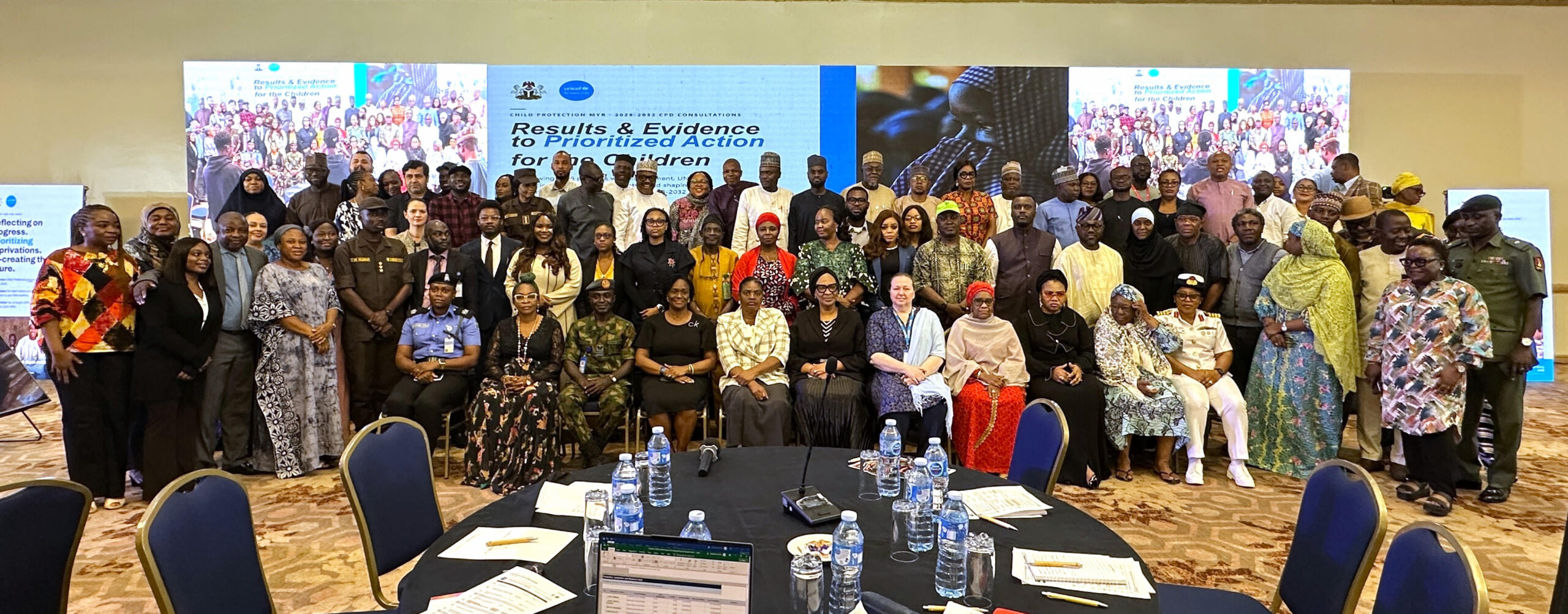
Natalie McCauley, UNICEF Nigeria’s Chief of Child Protection, shared this information in Abuja on Friday. She spoke during the Child Protection Mid-Year Review and talks for UNICEF Nigeria’s Country Programme for 2028 to 2032.
Ms. McCauley pointed out that these figures show the risks to children's safety, identity, education, health, and future chances. She said that we should judge child protection efforts based on how they affect children’s lives, not just the number of activities carried out.
The meeting included government officials, UN agencies, development partners, civil society groups, and private sector representatives. They came together to look at progress and set priorities for improving child protection systems across Nigeria.
Ms. McCauley recognized the progress made through government and UNICEF efforts in 2025. These include improving the child protection workforce, building community protection structures, speeding up birth registration, and offering services to almost 120,000 children.
She also mentioned that more than 1,000 children had been kept out of detention through measures aimed at improving child justice outcomes. But she warned that national progress often hides big differences between states and communities.
"A national result can conceal deep subnational disparities," she said. She noted that children in remote areas, conflict zones, those with disabilities, children on the move, and adolescent girls facing multiple risks are often not getting enough support.
She added that UNICEF’s plan for 2026 to 2029 aims to protect 350 million children from violence worldwide by 2029. This plan needs more focus and methods that fit local needs.
Ms. McCauley said the next Country Programme must concentrate on children facing the worst situations. It should strengthen government systems, raise local funding, and expand effective interventions.
"We cannot attempt to do everything, everywhere, in the same way," she said. She emphasized that child protection is key to children’s well-being and development.
"A child who is afraid at home cannot thrive. A girl married too early is less likely to stay in school. A child without a legal identity may miss out on health, education, and social support," she said.
She pointed out that child protection is not just an extra part of development. It is one of the conditions needed for development to happen.
Ms. McCauley explained that the consultations were meant to help shape UNICEF’s next Country Programme, not to endorse an already written plan.
"This consultation is not intended to seek endorsement of a plan that has already been written. It is an invitation to shape the next programme together," she said.
She observed that while Nigeria has improved social welfare and justice services, expanded community protection structures, and developed plans to end child marriage and violence, more work is needed to turn these into quality services in every community.
She called for better teamwork across different sectors since children do not experience life in separate parts. Health, education, and social protection systems need to work together with effective services and referral pathways to help at-risk children.
Ms. McCauley also urged stakeholders to tackle ongoing challenges. These include a lack of trained social workers, weak referral systems, inadequate child-friendly justice services, limited data use, and not enough investment in prevention.
During the event, participants identified children who are being left behind, key issues in the system, successful interventions, solutions that can be scaled, and priority actions for the government, UNICEF, and partners.
Ms. McCauley said these recommendations would guide UNICEF Nigeria’s Country Programme for 2028 to 2032 and urgent actions.
"The measure of our success will not be the number of plans we produce or meetings we hold," she said. "It will be whether every child is protected, counted at birth, and able to live safely, recover from harm, and realize their full potential."


Drop your comment
No comments yet — be the first to drop the gist 👇