Media Leaders Remember Dele Giwa at Book Launch
In Lagos, media figures remember Dele Giwa, the late editor of Newswatch, at the launch of his book, Granite Journalism, edited by Ray Ekpu.
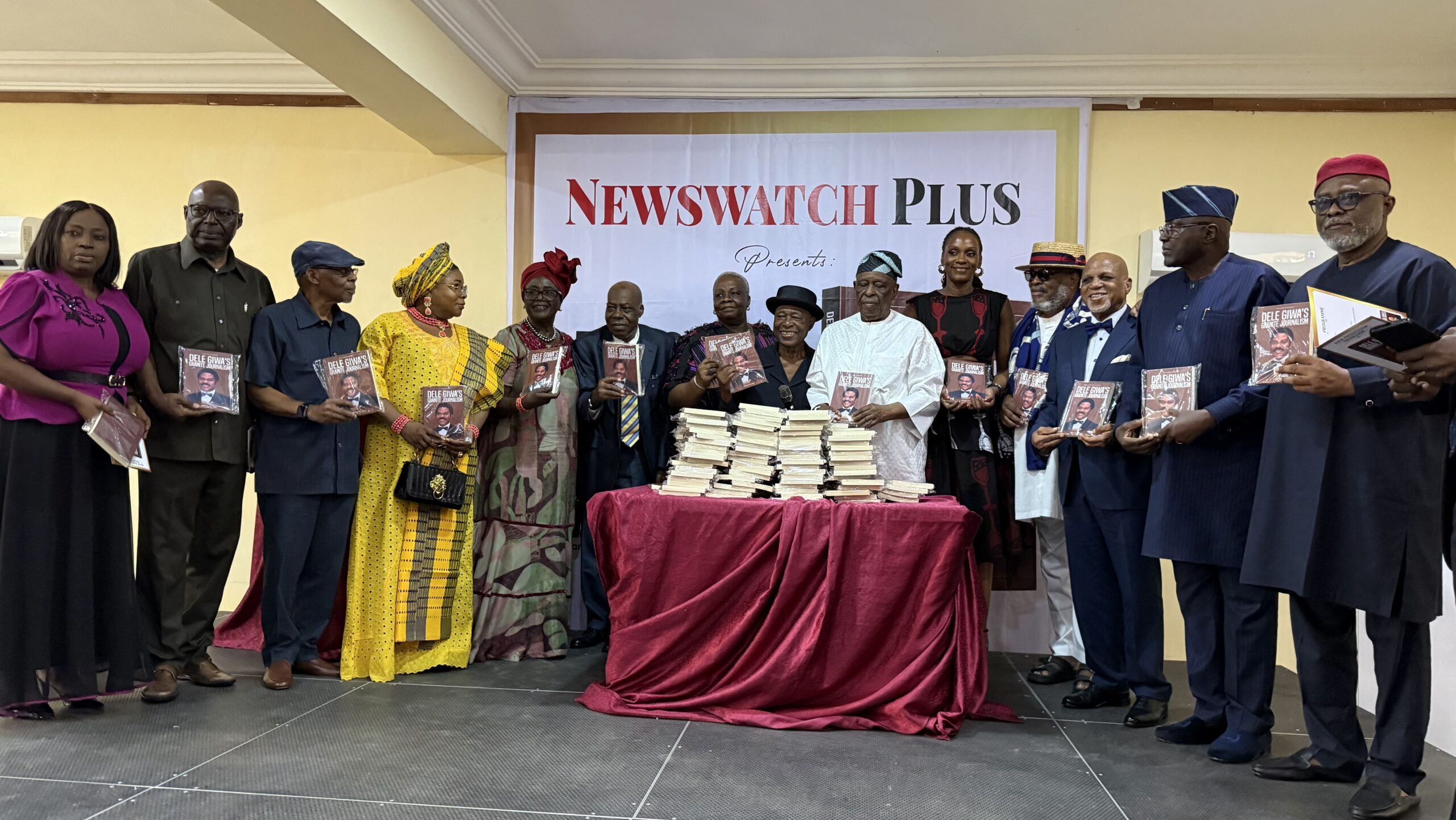
Journalists and key figures from Nigeria’s media world came together in Lagos on Monday to remember Dele Giwa, the late founding editor-in-chief of Newswatch magazine, 40 years after his death.
The event took place at the Sir Kessington Adebutu Auditorium of the Nigerian Institute of Journalism (NIJ) in Ogba, Lagos. It featured the launch of Dele Giwa’s book, Granite Journalism, which was edited by veteran journalist Ray Ekpu and has a foreword by Yemi Ogunbiyi.
Some of the notable attendees included Sam Amuka, publisher of Vanguard Newspapers, who chaired the event; former Ogun State Governor Segun Osoba; Mr Ogunbiyi, former managing director of Daily Times; Nduka Obaigbena, chairman and editor-in-chief of THISDAY; and Biodun Shobanjo, founder of Insight Communications.
Mr Ekpu, who worked closely with Mr Giwa, said the book aims to keep his legacy alive and highlight the importance of journalism, truth, and accountability.
"We are not here to mourn the death of Dele, even though his death comes as a predictable mystery. We have done a lot of that, publicly and privately, in the last 40 years.
"We are here to give presence to his absence by presenting to the public a book that will immortalise him," he stated.
Mr Ekpu explained that the book contains selected articles written by Mr Giwa for Daily Times, The Sunday Concord, and Newswatch, as well as interviews and contributions that look at his journalism and influence.
He shared memories of his close friendship with Mr Giwa, including the time they lived together in a duplex in Ikeja, Lagos, with their families.
Mr Ekpu also mentioned how his young son gave up his dream of becoming a journalist after Mr Giwa was killed. He said this incident highlighted the dangers journalists face while covering protests, riots, elections, and wars.
He pointed out that, according to the International Federation of Journalists, 128 journalists and media workers were killed worldwide in 2025. He expressed concern over the lack of protection for journalists and the failure to hold those who attack them accountable.
"Whoever said that the pen is mightier than the sword did not have Nigeria in mind," he remarked.
He urged journalists to keep holding those in power accountable, emphasizing that there is still much work to do to improve Nigeria.
Kolawole Discusses Giwa’s Legacy
While reviewing the book, Simon Kolawole, founder of The Cable, an online newspaper, described Mr Giwa as a writer motivated by curiosity, a commitment to truth, and a sense of responsibility to the public.
Mr Kolawole noted that Mr Giwa’s journalism went beyond Nigeria to cover international politics, race relations, the Western media, capital, and human existence.
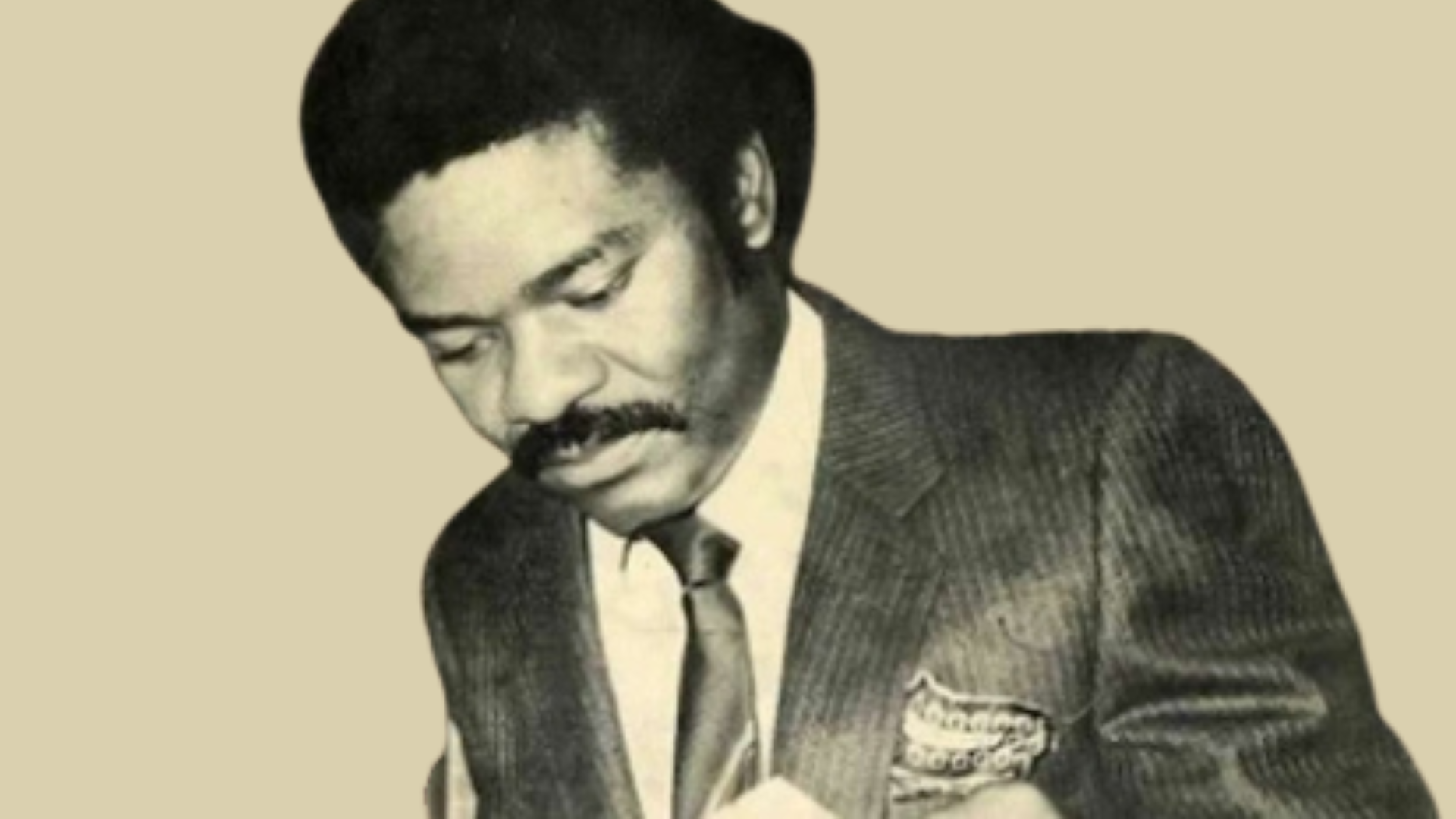
He mentioned that the book does not portray Mr Giwa as a saint, recognizing that he could be combative and critical. Instead, he said Mr Giwa was a journalist deeply involved with society and not indifferent to its issues.
He added that the collection offers lessons in curiosity, courage, clarity, storytelling, discipline, and originality.
Mr Kolawole also described journalism as a public duty, not just a profession.
"Forty years after his assassination, the remarkable thing is not simply that Nigerians still remember his work. It is that his writing can still command our attention, challenge our assumptions, and give us great reading pleasure," he noted.
He encouraged journalists, journalism students, writers, and other readers to engage with the book.
Family and Colleagues Celebrate Giwa
Mr Giwa’s widow, Funmi, and daughter, Aisha, were present at the event, along with journalists from various generations and media organizations who came to celebrate his impact on Nigerian journalism.
Aisha expressed her pride in her father and the legacy he left behind.
The event also included discussions on press freedom, professional courage, and the responsibility journalists have to hold public officials accountable.
The Late Dele Giwa
Mr Giwa was killed by a parcel bomb delivered to his Lagos home on 19 October 1986. His assassination is one of the most well-known unsolved cases involving a journalist in Nigeria.
His death is widely blamed on the regime of military president Ibrahim Babangida, though the case remains unresolved. Mr Babangida, now 85, has always denied involvement. The late lawyer Gani Fawehinmi fought for justice for Mr Giwa until he died in September 2009.
Mr Giwa was just 39 years old when he died in 1986. He co-founded Newswatch magazine in 1985 with Mr Ekpu, Yakubu Mohammed, and Dan Agbese. Mr Giwa served as the magazine’s editor-in-chief, with Mr Ekpu as his deputy.
Under Mr Giwa’s leadership, the magazine played a key role in promoting investigative journalism in Nigeria.
Comments
No comments yet.