New Seats for Women Aim to Increase Representation in Nigeria
Ginika Tor discusses a plan to reserve legislative seats for women in Nigeria. The initiative aims to enhance women's representation in politics.
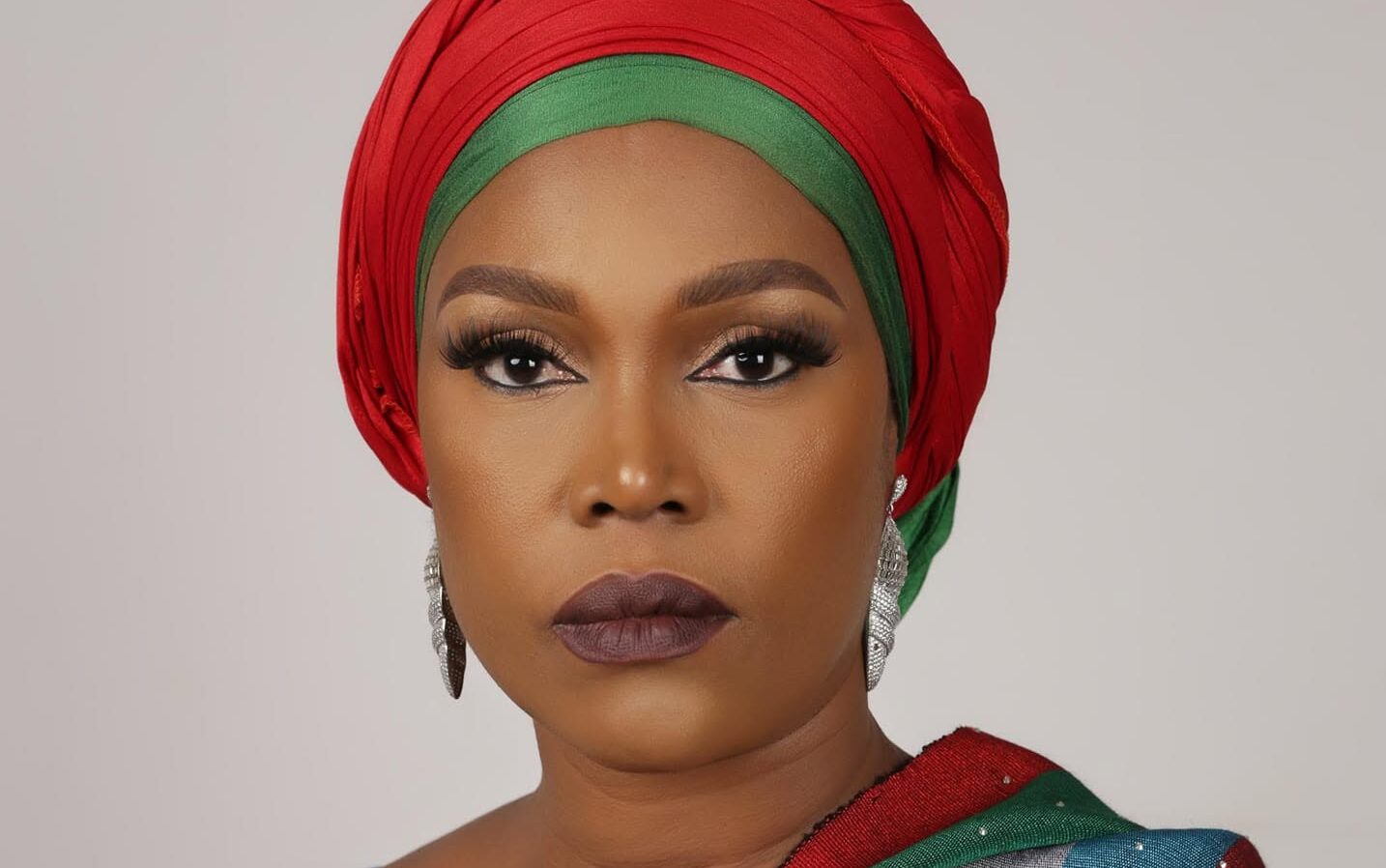
Ginika Tor, a federal commissioner at the National Salaries, Incomes and Wages Commission, said the new plan for reserved legislative seats for women aims to tackle years of marginalisation. It also seeks to boost women's representation in Nigeria's legislature.
The proposal wants to create 74 extra seats in the National Assembly and 108 seats across the 36 state Houses of Assembly, all for women only.
Speaking on TVC’s Beyond the Headlines, Ms Tor pointed out that the current number of women in key political positions is not enough. She noted it is below the 35 percent affirmative action target.
She mentioned that Nigeria has just four female senators and about 16 female members of the House of Representatives out of a total of 469 lawmakers.
“That is not giving us inclusion. It is not ensuring the 35 per cent affirmative action,” she said.
Ms Tor explained that these new seats would create over 180 chances for women to enter the legislature and take part in making policies.
She argued that women have always voted in elections and deserve better representation where decisions are being made.
“Women vote in large numbers and come out at all times to support the system. With over 180 women, women can come in and make an impact, bring input and contribute their quota,” she said.
She responded to worries that the reserved seats might be used as rewards for political loyalists or tools for political godfathers. Ms Tor said the plan would limit nominations for these constituencies to women only.
She explained that women would compete for these seats through party primaries while still being able to run for regular open constituencies.
“What this bill is saying is that only women are exclusively allowed to contest. I am going to contest; someone is going to contest, as long as they are women. Men are not allowed to contest within that range of 74 seats,” she said.
She also mentioned that women could still apply for party tickets for regular constituencies and compete against male candidates.
Ms Tor said all political parties must follow the constitutional rules if the bill becomes law.

She dismissed fears that this plan would create a separate class of lawmakers or unnecessarily raise governance costs by adding more lawmakers.
She asked critics to focus on the bill's goal, which is to tackle women's exclusion from political representation.
Ms Tor referred to Article 4 of the Convention on the Elimination of All Forms of Discrimination Against Women (CEDAW), which supports temporary measures to speed up equality. She also mentioned Sustainable Development Goal 5 on gender equality and the African Union’s Agenda 2063.
She stated that the proposal includes a 16-year sunset clause, covering four electoral cycles, after which it would be reviewed.
According to her, women face major hurdles in Nigerian politics, especially when political contests involve violence and intimidation.
“We all have potential within us, but if we’re not given opportunity, it will remain in the bedroom. Women may not be able to do what men do to get into the circle. We can’t do thuggery; we are mothers,” she said.
She added that some women might step back from political races when violence is involved because they do not want to put other people's children at risk.
Ms Tor said the proposed amendment would help women gain access to political spaces where they usually struggle to compete.
She acknowledged that President Bola Tinubu’s administration has made some strides toward including women but said more work is needed.
She urged women to support this proposal and called for it to be passed by the National Assembly and ratified by at least 24 state Houses of Assembly before the President can give his approval.
“If this is affirmed and assented to by the President and approved by at least 24 Houses of Assembly, that is what we should be asking for now,” she said.




Comments
No comments yet.