Nigeria's Minerals Can Boost Clean Energy Growth
A new report reveals Nigeria's mineral wealth can accelerate the shift to clean energy. Key minerals like lithium and copper are vital for renewable technologies.
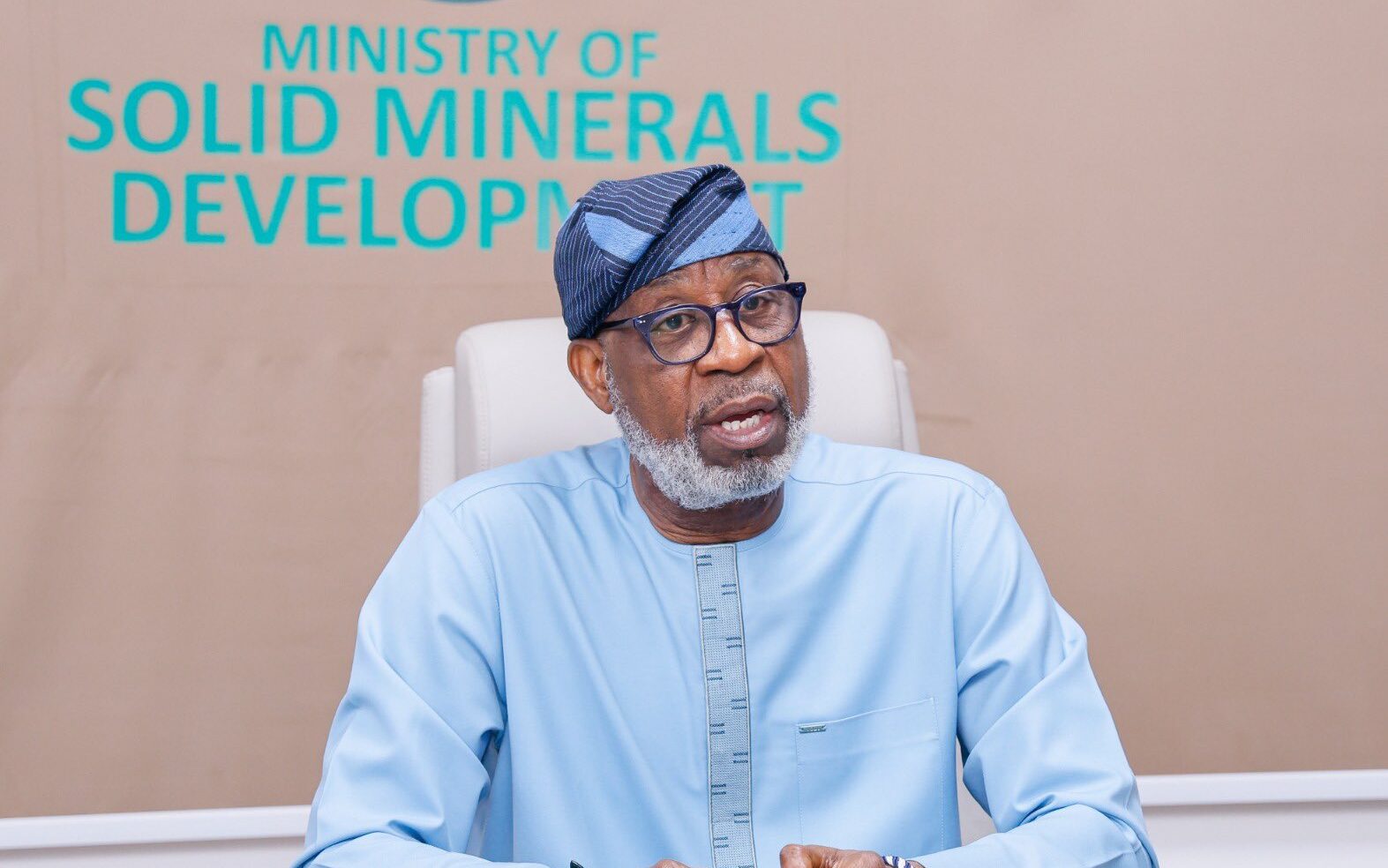
The Federal Ministry of Solid Minerals Development has received a fresh report about Nigeria's rich deposits of lithium, copper, and bauxite. These minerals can help speed up the country's move to clean energy and support local industry growth.
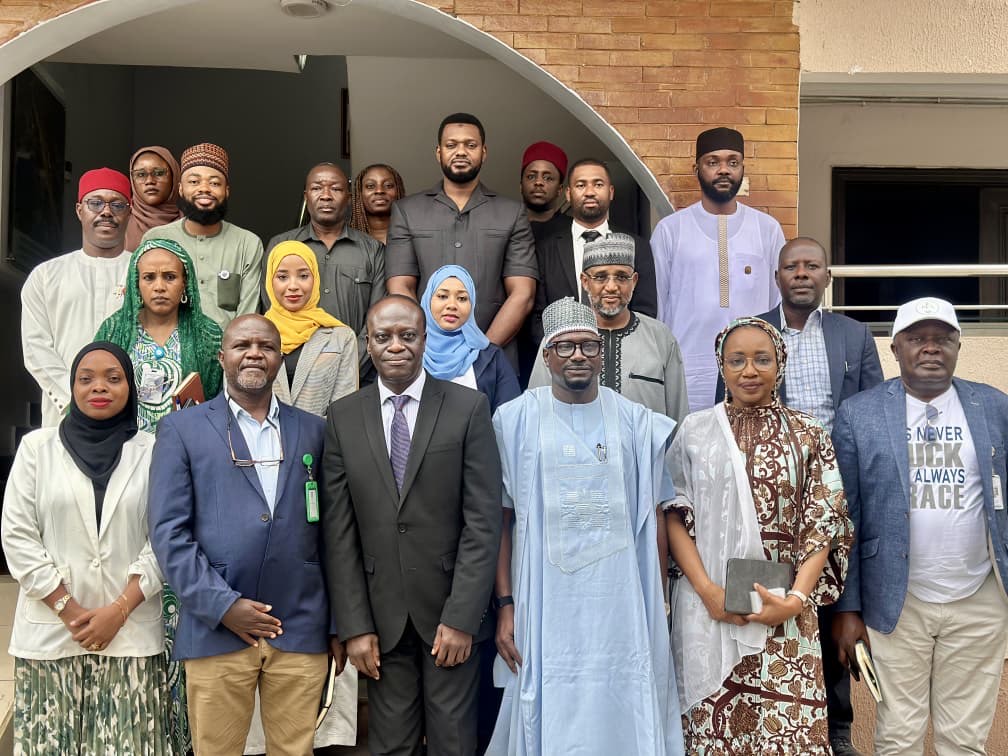
The report was shared on Monday in Abuja by the Council for Critical Minerals Development in the Global South. It shows how Nigeria can use its mineral resources to meet the rising demand for renewable energy technologies while keeping more value in the country.
Lara Owoeye-Wise, the minister's Special Assistant on Media, said the report was officially given to the Minister of Solid Minerals Development, Dele Alake, at the State House Conference Centre.
This report comes shortly after Mr. Alake announced the finding of what the government calls a world-class polymetallic mineral area in Kaduna State. This area has deposits of platinum group metals, gold, nickel, copper, lithium, and rare earth elements. The minister said this discovery, checked by the Nigerian Geological Survey Agency (NGSA), is one of the biggest developments in Nigeria's mining sector in recent years. It boosts the potential for critical minerals in the country.
The new report looks at Nigeria's expected need for solar photovoltaic (PV) systems, battery storage technologies, and electric vehicles. It also examines the current mineral production and trade patterns.
The report concludes that Nigeria's deposits of lithium, copper, and bauxite closely fit the minerals needed to support the shift to cleaner energy sources. It also points out the gaps in Nigeria's mineral value chain and suggests policy changes to maximize the economic benefits from the country's natural resources.
Roadmap for Industrialisation
While receiving the report, Mr. Alake mentioned that it gives practical policy advice for Nigeria’s goal of turning its mineral resources into a base for green industrial growth.

"By mapping domestic demand, supply, and trade patterns, this report provides mineral-specific policy pathways to use Nigeria’s resources for our own green industrialisation," he said.
He added that the report supports the ministry's aim to move Nigeria from just exporting raw minerals to building local industries that create jobs and add value to the economy.
The ministry plans to work with the Council for Critical Minerals Development in the Global South to create a mineral-to-manufacturing plan. This plan will boost local processing and manufacturing.
This partnership will also invite investment from countries in the Global South and strengthen cooperation with manufacturers interested in developing clean energy industries in Nigeria.
The ministry noted that local stakeholders will be involved to promote green industrialisation projects related to the country’s important mineral resources.
The Council for Critical Minerals Development in the Global South is a joint effort between Sustainable Energy for All (SEforALL) and the Global South Centre for Clean Transportation at the Institute of Transportation Studies, University of California, Davis.




Comments
No comments yet.