
The easiest way to get Nigerians talking about public finance is to throw out some big numbers and say money is missing. Nobody seems to care about how that number was calculated or if it ever existed. The figure alone is enough to spark outrage. Within an hour, it spreads through group chats, turning into tales of hospitals not built and roads not fixed. This all leads to heated arguments, often among those who don’t really understand balance sheets. This was the case when the claim of ₦210 trillion missing from the Nigerian National Petroleum Company Limited came to light. That amount is about four times the national budget, tossed around carelessly until it reached a Senate committee hearing.
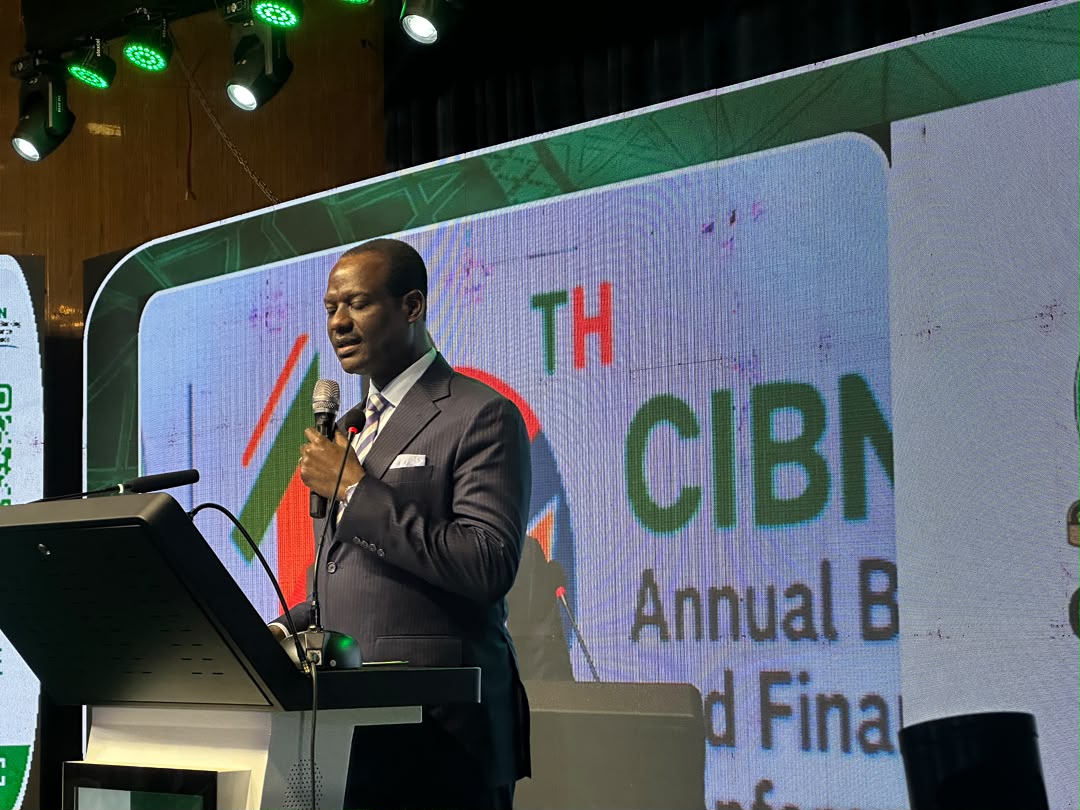
I cannot be the only Nigerian who felt let down that such a wrong number went unchallenged for so long. My relief came when the hearing turned into a lesson from Bala Wunti, who knew the numbers and the oil industry well enough to explain the situation clearly. He stated that the ₦210 trillion does not appear anywhere in the 2023 Audited Financial Statements of the company. It was created by adding ₦107 trillion in receivables to ₦103 trillion in payables. In simple terms, this means that they added money owed to the company to money the company owes, mixing them together and presenting it as a loss. Anyone who runs a shop in Wuse market knows that what customers owe and what you owe suppliers should be on separate sides of the ledger.
The second part of the confusion is structural. Here, having a good understanding of how things work is more valuable than any spreadsheet. After the Petroleum Industry Act, the company started operating two separate accounts. There is a shareholders' account and a commercial account, with NAPIMS, now called NUIMS, managing the former. The corporate headquarters manages the latter. Because NUIMS is still a subsidiary, its transactions must also show up in the main account. Someone who does not understand this setup might see one transaction listed in two places and think there’s something fishy going on. But someone with industry experience knows this is just how consolidation works. The gap between these two views is the difference between a national scandal and just a simple accounting note.
The committee has been more careful than the headlines suggested. Senator Ibrahim Dankwambo, who leads the review of the audited statements, told reporters that the committee did not say the money was missing. Their concern was with sums they found unaccounted for and unexplained. He also mentioned that they found no proof of money disappearing from the books. The terms unaccounted for, receivable, payable, outstanding obligation, and missing all have different legal and financial meanings. But public discussions often mix them up into one accusation. An entry needing reconciliation shows that two institutions have not met with the same documents, nothing more.
This brings me to the most serious issue of this whole episode, and it is not about the money. Wunti admitted there has not been enough close engagement between our public institutions. A discrepancy this big should have been sorted out before it reached the National Assembly or made headlines. The purpose of an audit query is to get technical people to discuss the same documents, so that the public gets clear conclusions, not raw confusion. Without that exchange, the country is left with a number it cannot make sense of and is pushed into panic.
We have seen this before, and the failure to learn makes it all the more frustrating. When Sanusi Lamido Sanusi said $20 billion was missing from NNPC, the country went through the same cycle of anger and certainty that a final reckoning was here. Then Senator Ahmed Makarfi questioned him in a Senate hearing, and that claim could not be backed up. What remained was a feeling, not a fact, and it has lingered despite every reconciliation since. A decade later, we are still paying interest on that amount, with new debts added.
None of this means the Senate should stop its oversight work. Nigerians have every reason to be cautious about what happens to oil revenue. A legislature that does not check the accounts of the national oil company is failing its constitutional duty. My point is that oversight done through newspaper headlines is just for show. Every unverified figure in circulation lowers the credibility of the next real finding. So, when a true irregularity comes up, people respond with the same tired shrug as before.
What the Senate owes the public now is a clear reconciliation on the record, following the documents wherever they lead. This must be free from political pressure and finished with findings that ordinary citizens can understand. The analyst, Ike Onwuachu, made this point after the hearing. He said the question should be settled by transparent reconciliation, not competing stories. Reading numbers from a balance sheet without understanding the history and structures behind them is not enough. A balance sheet sums up decisions made over time under specific conditions, and anyone who reads it without that context is struggling to understand a foreign language.
This is why the reputation of the person answering the questions is as important as the questions themselves. Watching Wunti explain receivables, payables, subsidiary consolidation, and the post-Petroleum Industry Act setup without acting superior or avoiding issues, made me realize how rare that is in our public life. He did not pretend to be outraged or hide behind the complexity of his sector, which is what many technocrats do when they feel cornered. He explained patiently and in order until the math was clear to people who do not deal with numbers daily. That is what real institutional memory should look like, serving the public instead of working against it.
Nigeria has many people who can recite figures. But we lack those who can explain them well, and even fewer who will stand before a tough audience and explain when staying quiet would be easier. Our numbers problem is really about understanding, about institutions that do not communicate with each other, and a public space where size has replaced meaning as the measure of importance. Fixing this requires the same willingness to reconcile before making accusations and to teach before defending. A leader like that is what Nigeria needs, and the search will go on long after this trillion is forgotten.
Drop your comment
No comments yet — be the first to drop the gist 👇