NRS Chairman Calls Out Abandoned Projects as Taxpayer Waste
Zacch Adedeji of the NRS has condemned abandoned projects as a misuse of taxpayer funds. He promises support for reforms to improve public procurement.
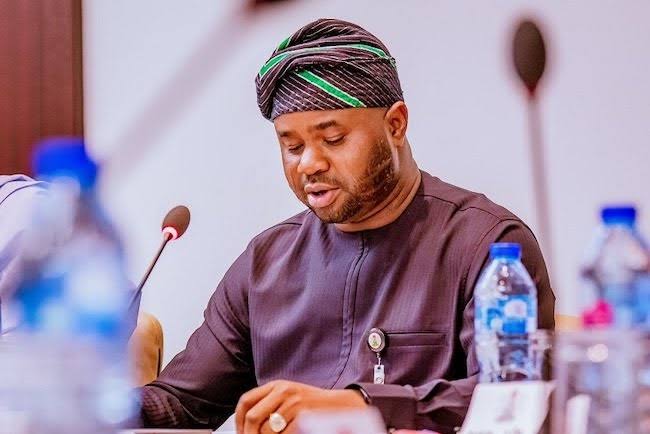
The Executive Chairman of the Nigeria Revenue Service (NRS), Zacch Adedeji, has labeled abandoned government projects as a waste of taxpayer money. He also promised financial and technical help for reforms to Nigeria's public procurement law.
Mr Adedeji made this statement on Tuesday in Abuja during a meeting with the Director-General of the Bureau of Public Procurement (BPP), Adebowale Adedokun, and his team. They met to talk about suggested changes to the Public Procurement Act 2007.
"Anytime I see abandoned projects, I see it as tax collected and being wasted, because it is either paid from the tax collected or the loan that we’ve taken that we’ll use tax to pay in the future," he said.
Mr Adedeji mentioned that the NRS would provide personnel, funds, and technical expertise to support the reforms. He pointed to the agency's experience in implementing Nigeria's recent tax changes as a valuable resource.
"I am also publicly promising that we will not only give you human resources, but God’s will, we will provide financial resources," he added. He believes Nigerians would be more willing to pay taxes if they saw public money being used for completed infrastructure and better public services.
He stated that effective procurement is key to making sure government spending brings real benefits instead of leaving projects unfinished after using public funds. He also raised concerns about whether some parts of the current procurement law, like limits on advance payments and contract approval amounts, still fit today's economy.
He instructed service officials to set up a technical committee to work with the BPP on the proposed changes. Mr Adedokun, the BPP director-general, said the bureau was working on at least 29 reforms that it felt could not be included under the current law without changes.
"We are undertaking, for the first time in the history of this country, not less than 29 reforms in procurement," he said. "The current state of the Procurement Act cannot accommodate the 29 minimum reforms," he added.
The proposed changes include electronic procurement, community-based contracting, procedures for specific sectors, and efforts to improve access to public contracts for women, youth, persons with disabilities, and military veterans. Under the community-based contracting plan, smaller government contracts could be made available to local businesses, cutting down the need for contractors to travel to Abuja for procurement processes.
Mr Adedokun explained that the proposed electronic procurement system would digitize everything from assessment to payment. This aims to improve transparency and help collect taxes at the source. He also mentioned that the bureau launched a digital training platform for micro, small, and medium-sized enterprises to better understand public procurement requirements.
He noted that using the same procurement procedures across various sectors can create problems. This is because different projects often need unique technical skills. He supported the Federal Government’s changes to procurement approval limits. He said chief executives could approve certain contracts below N10 billion and goods and services contracts below N5 billion, following the right rules.
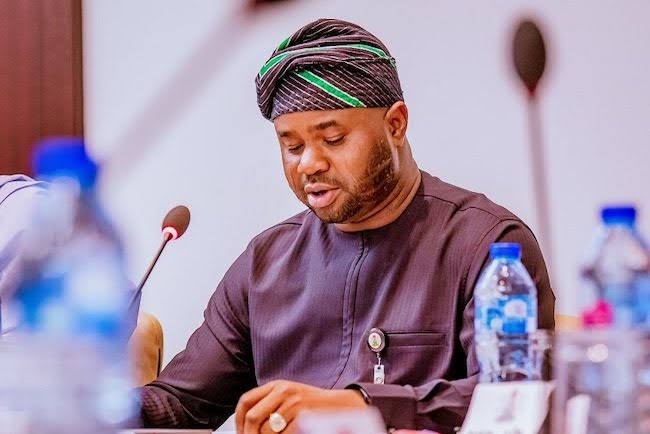

He explained that strict rules on procurement have led to delays and abandoned projects. He cited the NRS headquarters as an example of how solving procurement issues can help complete public infrastructure. He added that the bureau stepped in to help finish the long-abandoned Federal Ministry of Agriculture headquarters project.
Mr Adedokun cautioned government agencies against ignoring procurement rules. He said they must get the bureau’s certificate of no objection when necessary. He also called for a national database of contractors to improve oversight, boost tax compliance, and stop revenue losses.
"We are not after lowest cost, but after value for money," he said. He made it clear that the lowest bid is not always the best choice. A higher bid might offer better quality and value over a project’s life.
He asked for the NRS’s help with training, proposed legislative changes, and expanding the bureau’s reach across the country. Kunle Ogidi, the Group Director of the NRS Support Services Group, noted that the bureau had assisted the revenue agency with procurement documents, training, and project execution.
"Countless times, the bureau has sent their officers to come and teach and tutor us on how to go about some of these processes," he said. Mr Ogidi stated that this collaboration would help both agencies find gaps in the current system and suggest improvements.
The Public Procurement Act 2007 sets the rules for procurement by federal ministries, departments, and agencies. It also created the BPP to regulate public procurement and promote transparency and competition.
Concerns over abandoned and poorly managed public projects still raise questions about how the government spends and monitors funds. In February, PREMIUM TIMES reported that a project-tracking report by Tracka found that 92 federally funded projects worth N15.07 billion were labeled as fraudulently delivered. The report also mentioned that 471 projects were not executed, and 99 were abandoned despite funding.
Tracka monitored 2,760 projects in 28 states. They reported cases of misused funds, projects moved to different locations, payments for work done in past budget cycles, and incomplete or poorly executed projects.
These findings emphasize the need for monitoring projects after contracts are awarded. They also highlight the need for public spending to lead to completed infrastructure and services. The proposed changes to the procurement law are meant to help the BPP with its planned reforms. But these proposals still need to go through the necessary legislative steps before they become law.

Comments
No comments yet.