Plateau State sees 11,000 TB cases in 2026, 2,047 found in three months
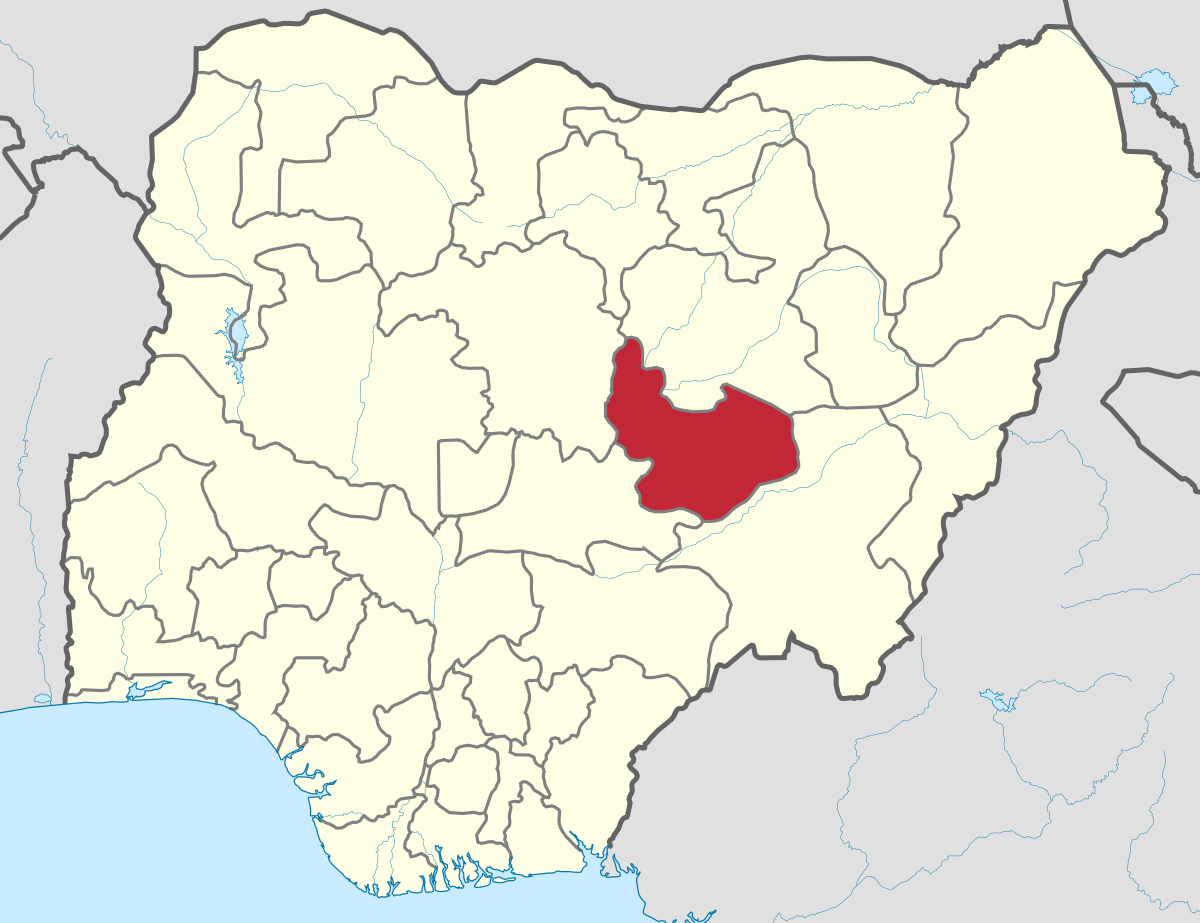
Plateau State has about 11,000 tuberculosis cases in 2026. A health official revealed that 2,047 patients were found in just three months.
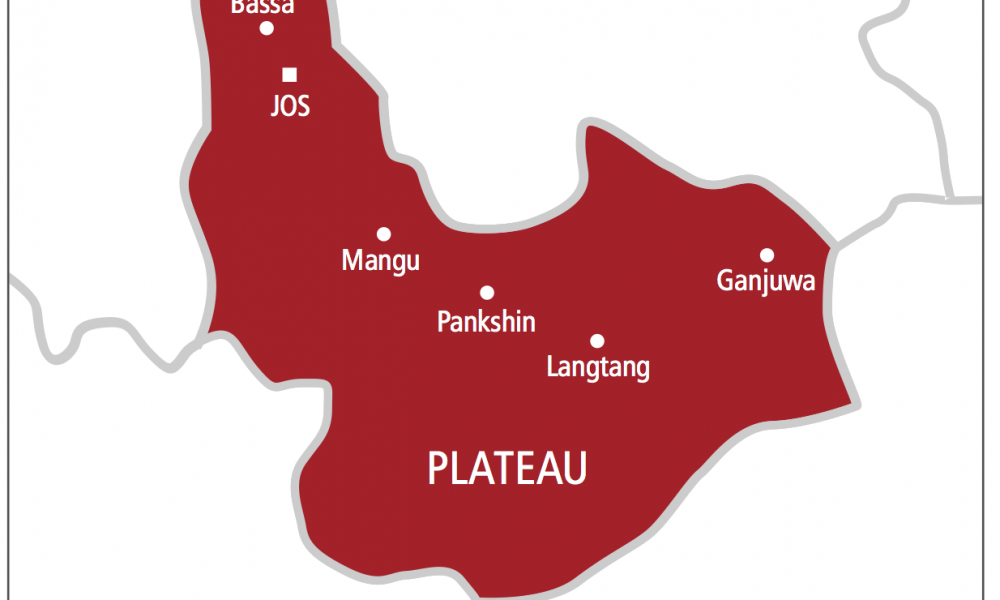
Plateau State has about 11,000 tuberculosis (TB) cases in 2026. A state health official revealed that 2,047 patients were found between July and September.
Yohanna Bot is the monitoring and evaluation officer for the Plateau State Tuberculosis and Leprosy Control Programme. He spoke at a media meeting on community-led monitoring of health services in Jos.
Mr Bot explained that this estimate comes from a TB rate of 219 cases for every 100,000 people. He warned that TB is still a big public health problem in the state.
“From our quarterly survey, we discovered that between July and September, 2,047 patients were identified and placed on treatment,” he said. He mentioned that these patients are getting treatment at health facilities across the state.
TB is an infectious disease that mainly affects the lungs. It spreads through the air when someone with the disease coughs, sneezes, or talks.
Mr Bot said there are several factors that make people more likely to get TB or become seriously ill. These include malnutrition, old age, weak immunity, overcrowding, and HIV infection.
He also talked about the stigma and wrong beliefs around TB. Some people think the disease is caused by spiritual or ritual reasons instead of seeking medical help.
He pointed out that these beliefs stop people from getting tested early and starting treatment on time.
Mr Bot mentioned that insecurity and displacement are making it harder to find and treat TB cases. This is especially true in Mangu, Jos South, and Barkin Ladi local government areas.
He explained that displacement has created camps for internally displaced persons (IDPs). These crowded living conditions can help the disease spread more easily.
To tackle this issue, he said the state programme is focusing on community outreach and screening in IDP camps and correctional centres. This is to find people with TB and connect them to treatment.
Mr Bot added that patients who get the right treatment can become much less infectious after starting therapy. But how soon this happens depends on their health and how they respond to treatment.
He also raised concerns about a lack of anti-TB medicines. He said the shortages are partly due to problems in the supply chain and the programme’s reliance on international support. This includes funding from the Global Fund.
He called for more public awareness to fight stigma and wrong beliefs. He urged anyone with TB symptoms to go for medical checks at health facilities.




Comments
No comments yet.