Political Tension in Asaba and Fuel Subsidy Debate
Violence erupted at an opposition rally in Asaba, resulting in one death and injuries. President Tinubu and Atiku Abubakar also exchanged accusations over funding issues.
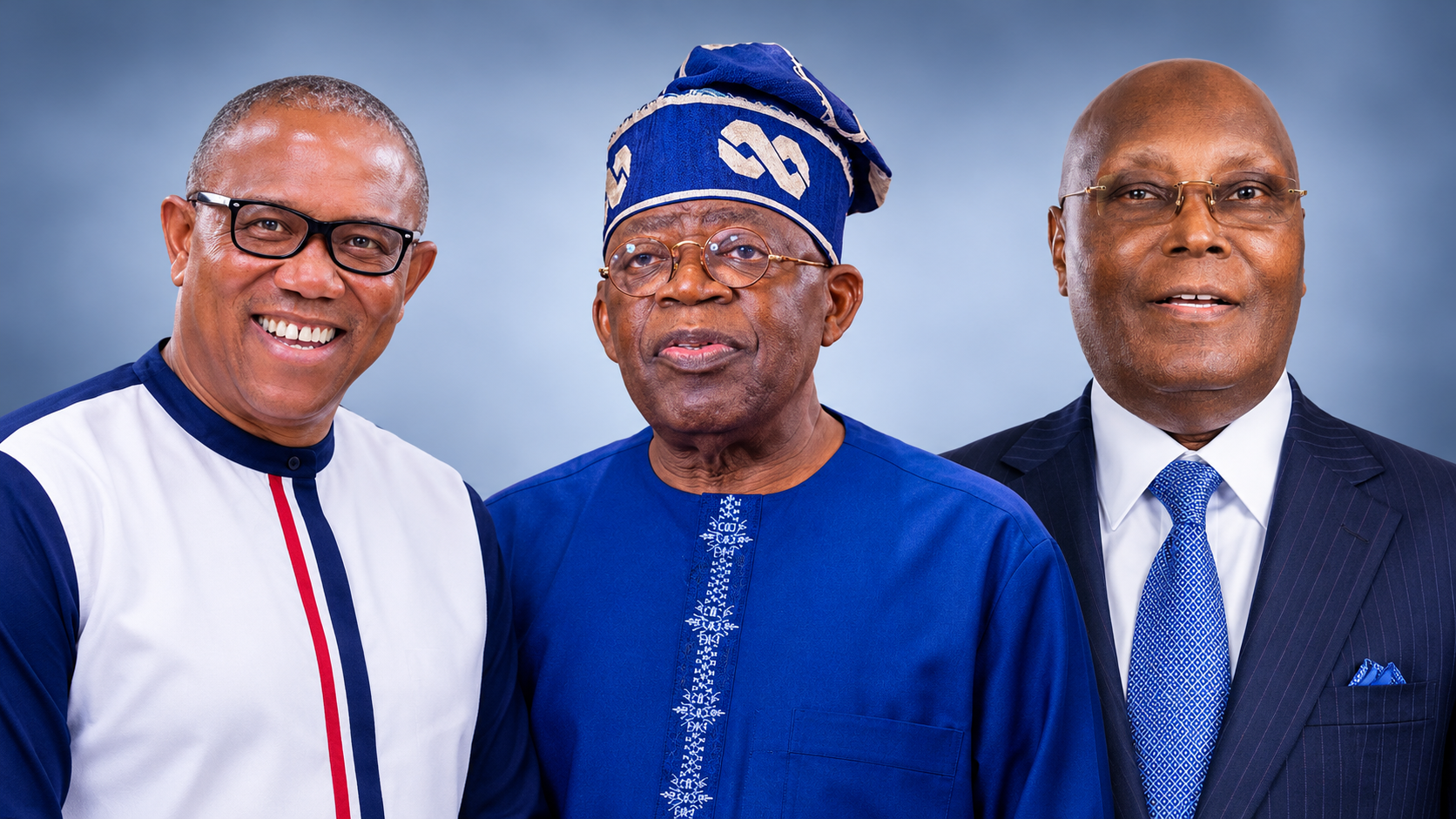
One person was killed and five others were injured during an opposition rally in Asaba on Saturday. The police said they had received a warning about possible violence. Organisers disagreed with parts of the police report about security before the event.
In Port Harcourt, President Bola Tinubu accused Atiku Abubakar of using public funds to set up a private university. Atiku denied this claim, saying he started investing in education in 1993. However, the university's records show it was established in 2002.
Peter Obi also challenged Tinubu regarding savings from fuel subsidies and borrowing. Official financial records can back up his claims. This includes looking at the difference between estimated extra federation revenue and the debt built up by past governments.
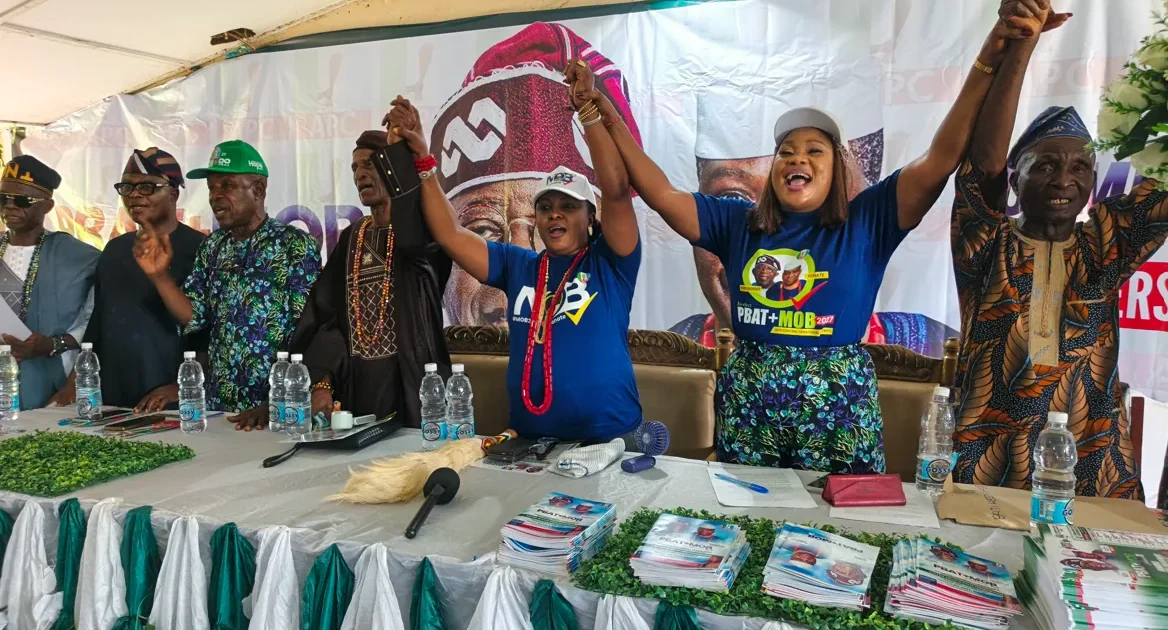
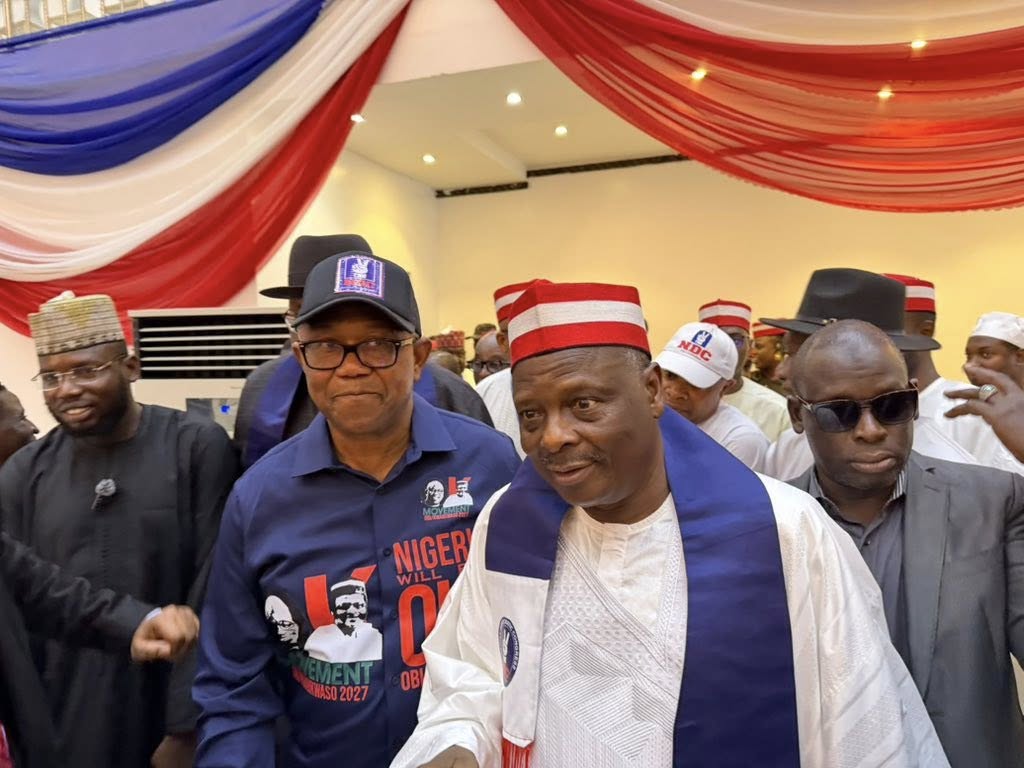
The Delta State Police Command said the violence happened around 12:15 p.m. on Nnebisi Road during a procession by the Obidient/OK Movement, a group backing Peter Obi and Rabiu Kwankwaso under the Nigeria Democratic Congress (NDC) platform.
In a statement on Saturday, police spokesperson Bright Edafe said they had intelligence about possible violence and called the organisers to a security meeting. Police suggested that the gathering should be held at a designated venue for better protection instead of on the open road. They said the organisers went ahead despite this advice.
Delta State coordinator Favour Emerure disputed the police report. He said the organisers informed the police and followed instructions not to gather at Inter-Bua Junction. He questioned why police were absent when participants were attacked.
His statement did not clarify if the organisers had agreed to completely abandon the road procession. Reports from the scene mentioned damaged campaign vehicles and attacks on participants.
The NDC accused members of the All Progressives Congress (APC) of being involved in the violence. Delta APC spokesperson Valentine Onojeghuo rejected this claim, saying there was no evidence connecting his party to the incident.
Police said they evacuated the injured, increased security, and started an investigation. Their report did not identify the victims or the attackers. The investigation will look into who carried out the attack and what security measures were in place after police received prior intelligence. Just because the organisers did not follow police advice does not mean they are responsible for the violence.
President Tinubu made his claims during an APC rally at the Adokiye Amiesimaka Stadium in Port Harcourt. The State House report noted his statement that Atiku used public funds to set up a private university while he was vice-president from 1999 to 2007. But no financial documents were provided to back this claim.
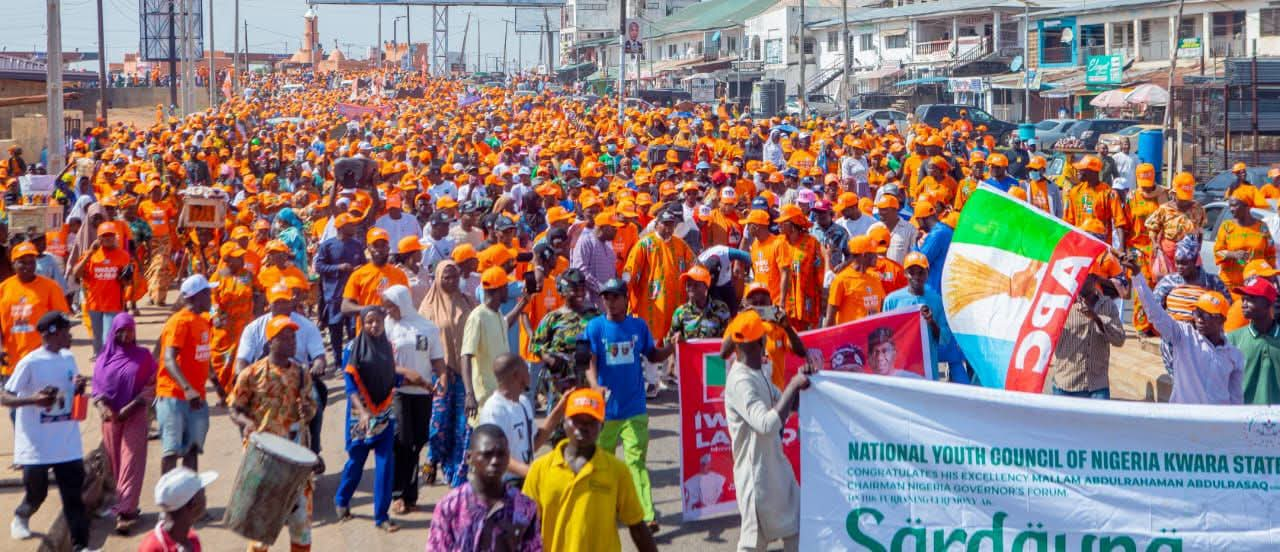
Atiku, who is the African Democratic Congress (ADC) presidential candidate, denied the allegation through Phrank Shaibu, his campaign council's director of strategic communication. He said he started laying the foundation for ABTI Academy in 1993, six years before he became vice-president, and linked it to the later establishment of the American University of Nigeria (AUN).
The university’s official history states that ABTI Academy, a private primary and secondary school, was established in 2002. The university project was licensed as ABTI University in 2003. Construction began in October 2004, and the first 124 students were admitted in the 2005, 2006 academic year.

The university’s licensing and construction took place during Atiku’s time as vice-president. While preparations may have started in 1993, Atiku’s statement did not provide dated documents to support this claim. Neither the timeline nor the statements shared on Saturday made clear where the funds for the university's construction came from. Tinubu's claim about public resources being used remains without financial proof.
Atiku also brought up Tinubu’s 1993 civil forfeiture case in the US. This case was not a criminal conviction, which the presidency has highlighted in the past when discussing other legal matters. The former vice-president repeated his idea for a production-based fuel subsidy linked to local refining, promising cheaper petrol and diesel prices.
In a statement in September, the APC Presidential Campaign Council challenged Atiku to explain the cost, legal basis, and funding plans for this subsidy. They questioned how support for refiners would lead to lower prices for consumers. They also asked whether this proposal would comply with the Petroleum Industry Act, which sets rules for market-based petroleum pricing. Atiku’s response on Saturday reiterated the proposal but did not answer those specific questions.
The discussion on fuel subsidy policy came up again with Peter Obi’s criticism of Tinubu’s economic record, but Obi took a different approach. Instead of proposing a new plan for petroleum pricing, Obi challenged Tinubu to show what Nigerians have gained from ₦15.8 trillion in subsidy savings and over $100 billion in borrowing that he claimed the administration has done.
Obi sought clear improvements in poverty reduction, school attendance, primary healthcare, electricity supply, and security, questioning how the increased government revenue has improved living conditions. His subsidy figure closely matches an estimate from the Federal Ministry of Finance, which covers resources for different levels of government.
An August 2026 fiscal analysis estimated ₦15.827 trillion in extra federation resources linked to subsidy removal between June 2023 and December 2025. The ministry calculated this by comparing actual net Federation Account revenue with what it would have been without the reforms, using an eight percent annual growth assumption.
This amount is an estimate of extra resources from the reform, not cash stored in one federal account. The ministry’s detailed distribution shows ₦5.007 trillion of the estimated extra resources to the Federal Government, ₦6.525 trillion to states, ₦3.876 trillion to local governments, and ₦419 billion to other statutory allocations, including the Federal Capital Territory.
The summary combines the Federal Government and other allocations into ₦5.426 trillion. Any accounting of how these resources were spent must cover federal, state, and local governments, not treat the whole ₦15.827 trillion as money kept by the presidency.
The ministry listed wage adjustments, infrastructure, electricity support, and higher debt service costs as additional spending tied to the reforms. These categories do not show how much went to individual projects or people. Payment records, contracts, audited accounts, and proof of working public services would give a fuller picture.
The borrowing issue is more complicated. The Debt Management Office’s June 2026 report shows about $120.93 billion in domestic and external public debt at federal, state, and Federal Capital Territory levels. This figure includes debts from past administrations and cannot be confused with the amount Mr Tinubu’s government borrowed since taking office in May 2023.
To find out how much borrowing is linked to his administration, new loan and repayment records are needed over a specific period, with adjustments for currency changes. Obi’s statement did not provide a calculation that matched his figure with those records. The government’s fiscal scorecard says household welfare is weak but starting to improve.
Comments
No comments yet.