Reps want fines and licence withdrawal for hospitals delaying emergency care
The House of Representatives has proposed a bill to impose fines and suspend licenses for hospitals delaying emergency care. The bill seeks to enhance medical services and ensure timely treatment.

The House of Representatives has moved ahead with a bill that aims to impose fines, suspend licences, and shut down hospitals that refuse or delay emergency medical care.
This bill also plans to introduce criminal penalties for health workers who intentionally refuse to help emergency patients or abandon them.
Sponsored by Akin Rotimi (APC, Ekiti), the bill seeks to change the National Health Act of 2014. It aims to improve emergency medical services and set clear standards for triage, stabilisation, and referrals across healthcare facilities.
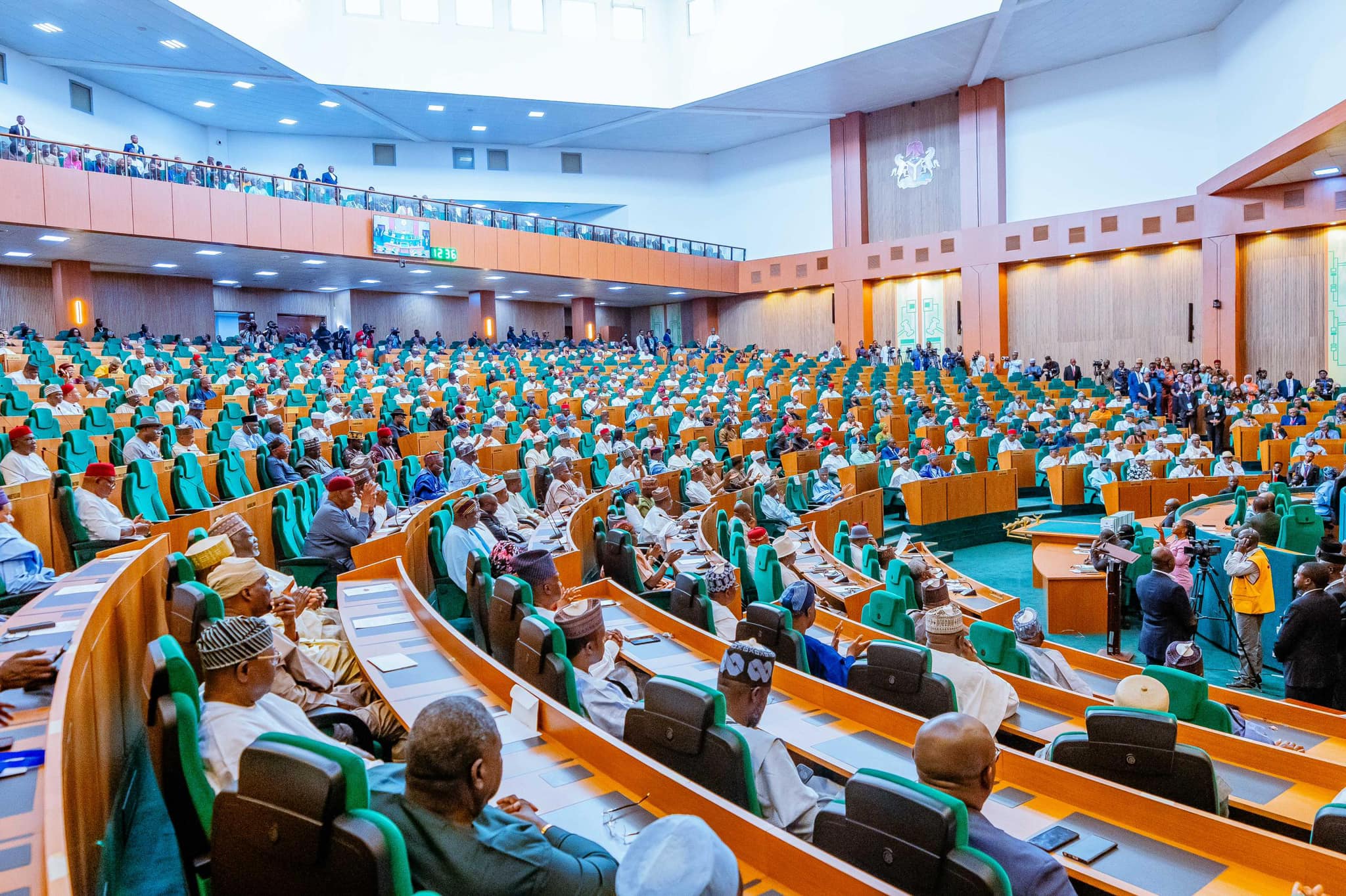
The bill passed its second reading during Wednesday’s plenary after lawmakers reviewed its main ideas.
While presenting the bill, Mr Rotimi, the House spokesperson, said that despite the National Health Act saying hospitals cannot refuse emergency treatment, “Nigerians continue to lose their lives or suffer preventable complications because of delays arising from administrative bottlenecks, demands for payment before treatment, unavailable hospital beds and poorly coordinated referrals.”
He argued that the current laws need to be backed up with clear rules and consequences for those who do not comply.
According to Mr Rotimi, the new amendment would include fines, suspension of operating licences, and even closure of healthcare facilities that refuse, delay, or block emergency medical treatment.
He added that it also proposes criminal actions and professional disciplinary measures against health workers who deliberately refuse to help emergency patients or abandon them.
The bill would also allow for civil compensation against healthcare facilities if violating emergency treatment rules leads to injury, disability, or death.
But it aims to protect healthcare workers from being held liable if they act in good faith, properly document resource limits, and follow referral procedures.
Beyond penalties, the bill sets mandatory timelines for healthcare facilities to treat emergency patients.
Hospitals must start triage within 15 minutes of a patient arriving and begin basic stabilisation within 30 minutes.
Once a life-threatening condition is identified, life-saving actions must begin immediately. If no doctor is available, trained and certified nurses can handle triage.
The bill also says that patients needing admission should be given an available hospital bed within two hours.

If a facility has no available bed, it must start stabilisation and begin a referral within two hours of the patient’s arrival or right after clinical stabilisation.
Additionally, hospitals must arrange transport within 30 minutes of deciding to refer a patient and complete the transfer within three hours, unless something outside their control stops them.
The amendment also requires healthcare workers involved in emergency services to undergo training and certification every 18 months.
It tasks the Medical and Dental Council of Nigeria and the Nursing and Midwifery Council of Nigeria with developing and maintaining a standard emergency care curriculum for the country.
Mr Rotimi said this is to make sure the right to emergency treatment is reflected in real healthcare delivery and not just a legal statement.
“In a medical emergency, time is the difference between life and death,” he said.
He added that the bill would help separate genuine resource issues from negligence and intentional abandonment while strengthening accountability in institutions.
During the debate, Chinedu Ogah (APC, Ebonyi) supported the bill but urged for links between emergency medical treatment and health insurance coverage.
He said emergency patients should not have to make deposits or wait for payment before getting medical care.
Mr Ogah suggested that the bill should ensure emergency patients are covered by the National Health Insurance Scheme. This would stop financial issues from delaying treatment.
“They should liaise with health insurance, so that all those emergency people must be insured by the National Health Insurance Scheme, so that every moment they have such an emergency, they will not wait for any deposit for them to be treated,” he said.
His point was supported by Makki Yalleman (APC, Jigawa).
After the debate, Benjamin Kalu, the Deputy Speaker, who led the plenary, sent the bill to the House Committee on Health Services for more actions.





Comments
No comments yet.