Senate moves to boost funding for unity colleges and armed forces schools
A new bill in the Senate aims to improve funding and management of federal unity colleges and armed forces schools. It seeks to address infrastructure and resource issues.
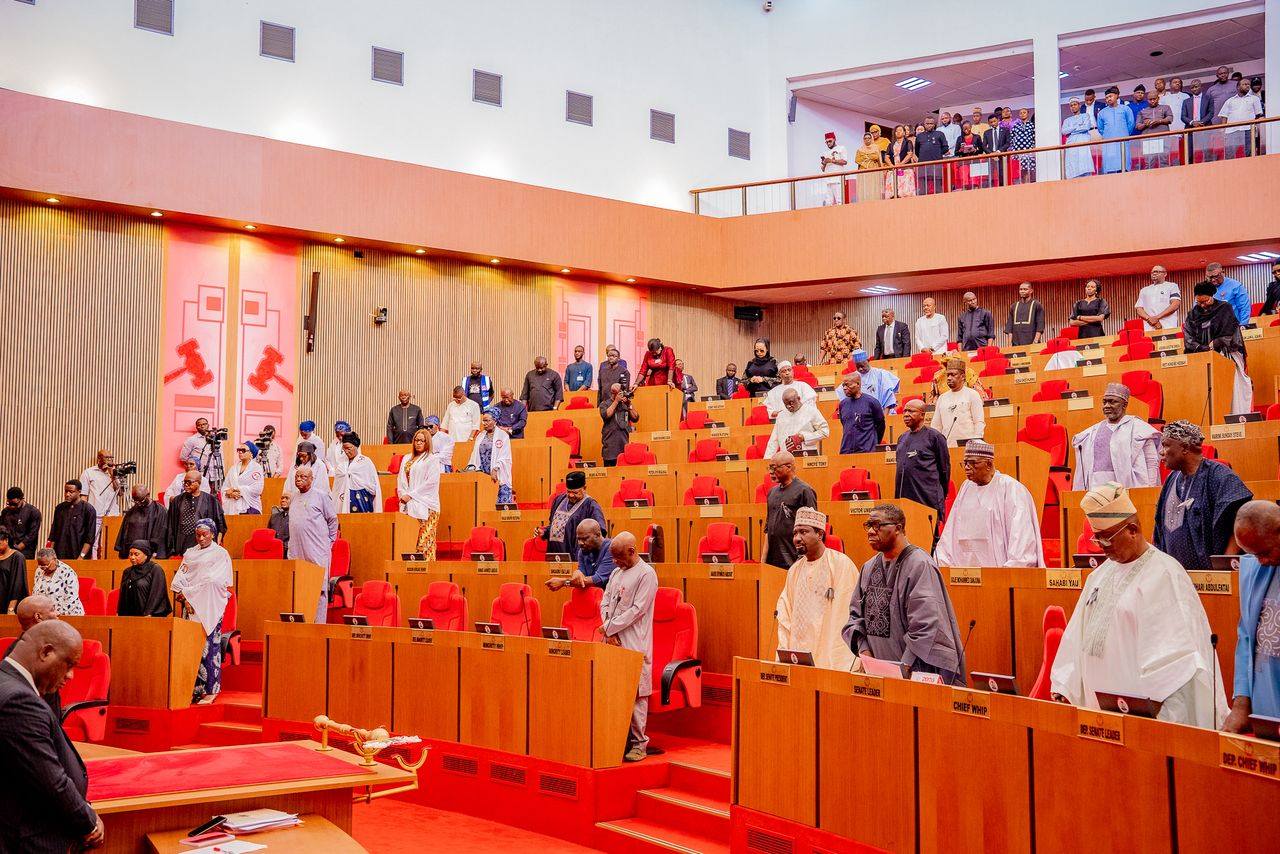
A bill to change the National Senior Secondary Education Commission Act has passed its second reading in the Senate. This bill aims to improve the management and funding of federal unity colleges and armed forces senior secondary schools.
Senate President Godswill Akpabio announced this during Tuesday's plenary after the bill received a majority vote. After this, the bill was sent to the Senate Committees on Primary and Secondary Education for further review and public hearing.
The Senate Leader, Opeyemi Bamidele, sponsored the bill. It aims to improve administration, coordination, and funding of public senior secondary schools across all 36 states and the Federal Capital Territory (FCT).
The bill also looks to create a legal framework for direct government support to fix infrastructure problems and lack of learning materials in public senior secondary schools.
While leading the debate, Mr Bamidele (APC, Ekiti Central) said these changes are meant to enhance senior secondary education. He believes the bill will help more than just setting up a national commission.
He said the bill aims to promote clear funding processes, provide good facilities, and make sure qualified people are in charge of public senior secondary schools. "The significance of this Bill lies in its recognition that improving senior secondary education requires more than the establishment of a national commission. It requires effective institutional arrangements at the State and FCT levels, transparent funding mechanisms, appropriate infrastructure, qualified administrators and sustained coordination among the different levels of government," he explained.
Mr Bamidele added that the bill would identify Federal Unity Colleges and Armed Forces Senior Secondary Schools for direct help to meet their infrastructure and learning resource needs. "By identifying Federal Unity Colleges and Armed Forces Senior Secondary Schools for direct intervention, it also seeks to address the infrastructure and learning-resource needs of these institutions within the proposed statutory framework," he said.
He pointed out that for the amendments to work well, there must be clear guidelines and good teamwork between the commission and other important authorities. He also mentioned the need for transparent criteria for fund allocation, proper monitoring, and financial accountability to make sure public money is used wisely.
"The future of Nigeria depends substantially on the quality of education available to our young people. We cannot aspire to national development, technological advancement and global competitiveness without investing in the institutions that prepare our children for the responsibilities and opportunities of the future," he added.
Mr Bamidele called the bill a step towards improving the legal and management framework for public senior secondary education and making access to school facilities better.
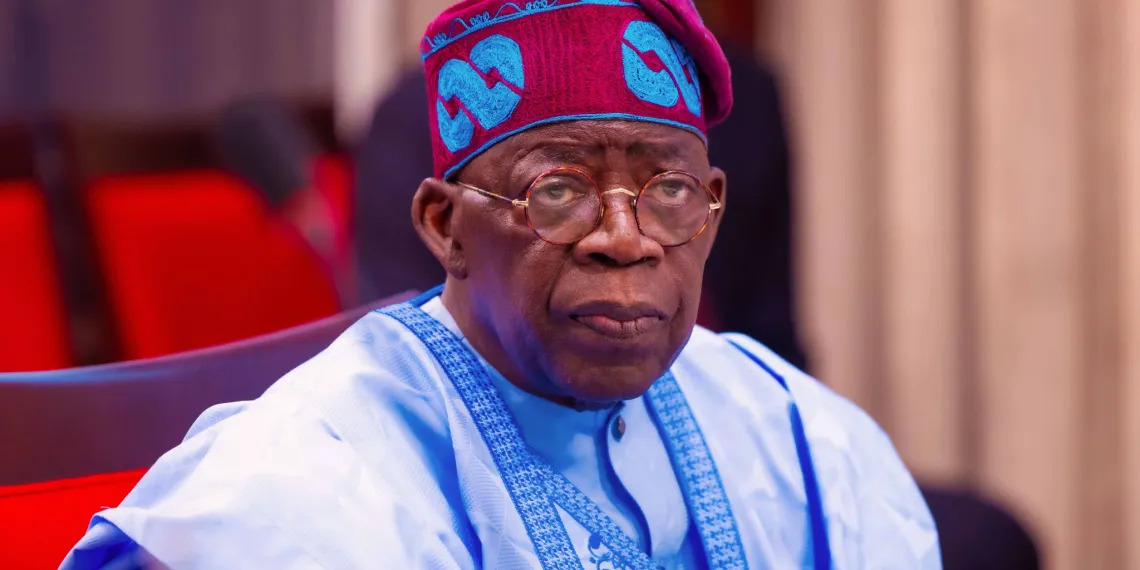

Most senators who spoke during the debate supported the bill. They highlighted the need for better funding, improved school management, and changes to the secondary education curriculum.
Senate Chief Whip Tahir Monguno (APC, Borno North) stated that a well-funded and organized secondary education system would boost Nigeria’s education sector. He said if the amendments are passed, education will be more accessible to all Nigerians.
Diket Plang, who represents Plateau Central Senatorial District, noted that the bill would help standardize secondary school management and quality. Similarly, Ahmed Lawan (APC, Yobe North) called for a review of the secondary school curriculum to include technology and Artificial Intelligence subjects.
Adams Oshiomhole (APC, Edo North) suggested penalties for states with many out-of-school children. These proposed changes come at a time when issues like low funding, bad infrastructure, lack of teaching materials, and unequal learning results in Nigeria’s public secondary schools remain a concern.
Although both federal and state governments have set up policies to enhance access to quality education, many public schools still struggle with poor learning environments, insufficient teaching resources, and the skills needed for students to advance in education and jobs.
A recent report from the United Nations Children’s Fund (UNICEF) highlighted chronic underfunding as a big reason for poor access to education and weak learning results. The report showed that government spending on education dropped from 9.3 percent of total government spending in 2015 to 3.6 percent in 2023, far below the international standard of 15 to 20 percent.
The report also pointed out serious learning gaps among students. In 2022, 86 percent of pupils in Junior Secondary School 2 did not meet the minimum proficiency in mathematics, according to assessments cited by UNICEF and the Universal Basic Education Commission.
In June 2025, the Executive Secretary of the National Senior Secondary Education Commission (NSSEC), Iyela Ajayi, stated that lack of funding has limited the commission’s ability to fix infrastructure issues, shortages of teaching materials, and gaps in human resource development.
He mentioned that the commission has not yet received the required allocation of at least two percent of the Consolidated Revenue Fund as stated in the National Senior Secondary Education Commission Act, 2023. This Act requires the commission to set and enforce minimum standards for senior secondary education and provide federal support to fix infrastructure gaps in Federal Unity Colleges and all states and FCT. It also sets up a special fund for school infrastructure, teaching materials, lab equipment, teacher training, and other educational needs.
Comments
No comments yet.