Senate Sets Deadline for States on Police Resolutions
The Senate announced a deadline for states to send their resolutions on state police. 30 states have approved the proposal, showing progress for Nigeria's democracy.
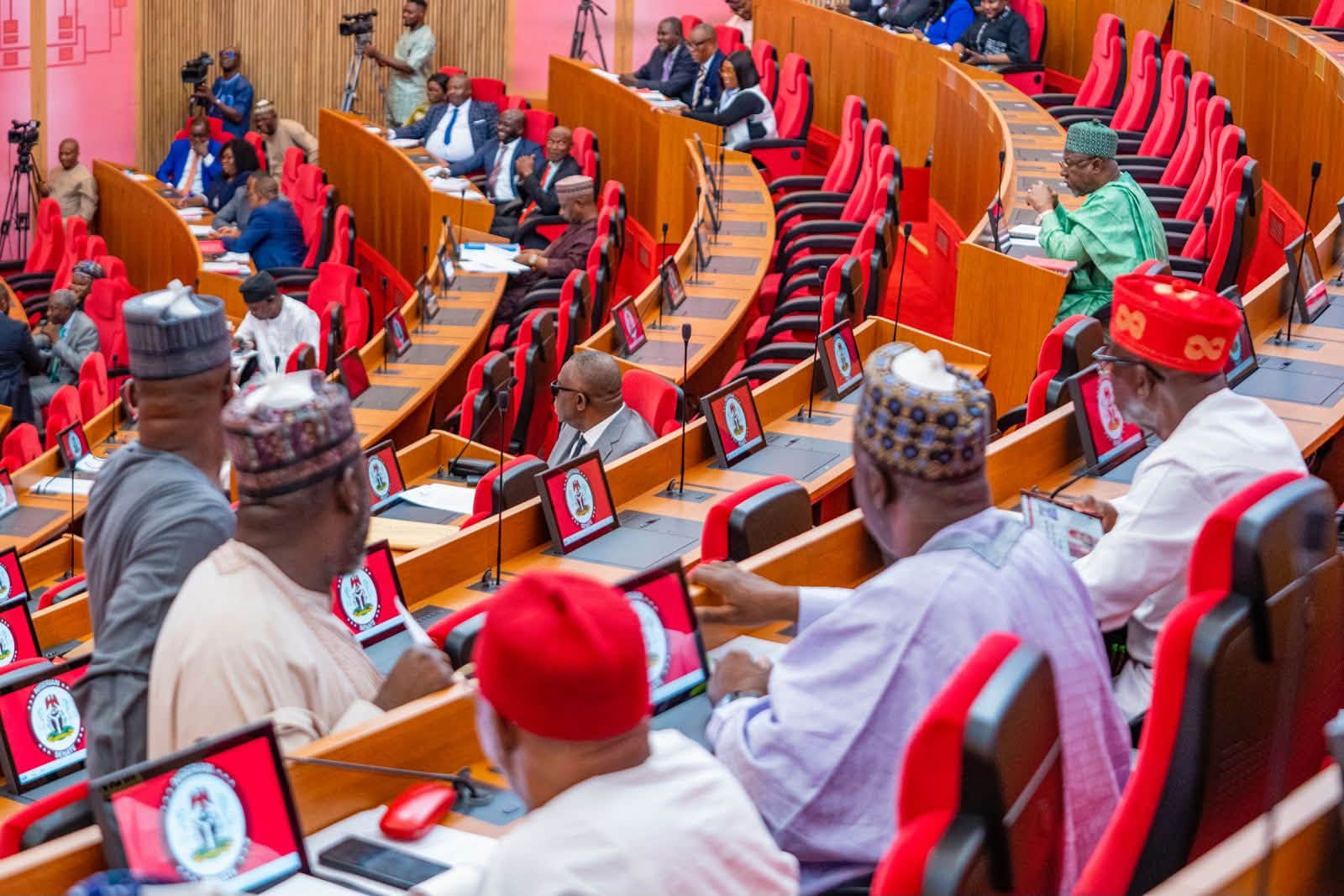
The Senate announced on Wednesday that state Houses of Assembly must send their resolutions on state police by 15 November.
Senate President Godswill Akpabio shared this deadline during a meeting after the senators agreed to it with a voice vote.
The Senate listed the states that have not yet sent their resolutions. These are Kano, Oyo, Cross River, Abia, Niger, and Benue. But records show that five states have already approved the proposal, with Niger State being the exception.
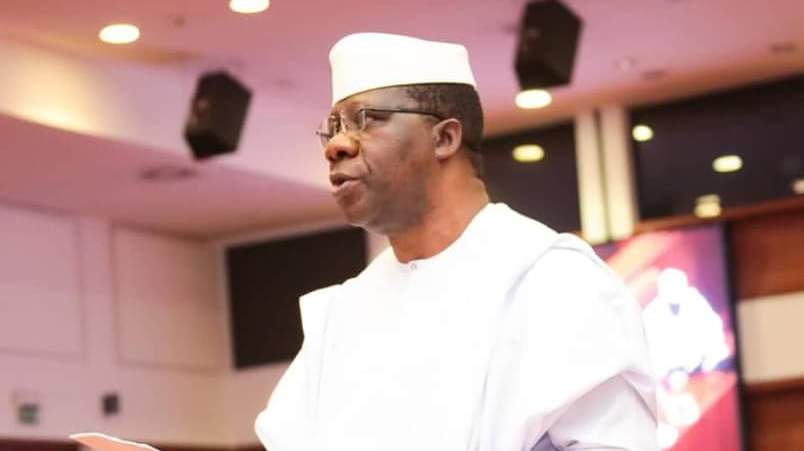
Senate Leader Opeyemi Bamidele named the 30 states that have approved the proposal and sent their resolutions to the National Assembly.
The states include Adamawa, Akwa Ibom, Anambra, Bauchi, Bayelsa, Borno, Delta, Ebonyi, Edo, Ekiti, Enugu, Gombe, Imo, Jigawa, Kaduna, Katsina, Kebbi, Kogi, Kwara, Lagos, Nasarawa, Ogun, Ondo, Osun, Plateau, Rivers, Sokoto, Taraba, Yobe, and Zamfara.
Mr Bamidele urged the remaining states to send their resolutions before the deadline. He said this is a good step for Nigeria's democracy and the people.
On Tuesday, National Assembly Clerk Kamoru Ogunlana revealed that 28 state Houses of Assembly had approved the idea of state police and sent their resolutions to the National Assembly.
This means the proposal has met the constitutional need for approval by at least two-thirds of the 36 state assemblies, which is 24 states.
However, Mr Bamidele's announcement on Wednesday showed that 30 states have sent their resolutions.
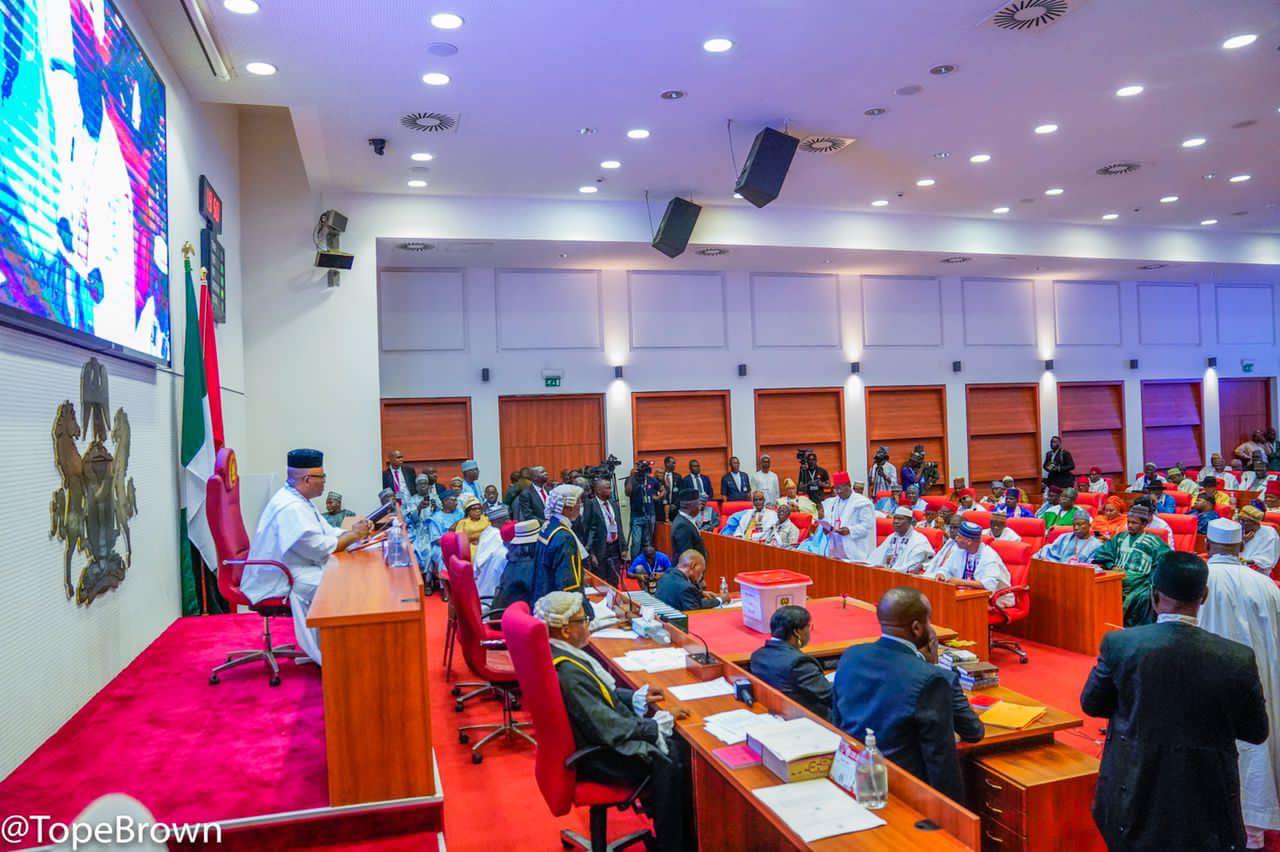
Now, the National Assembly can move forward with the next steps of changing the constitution. This includes aligning the versions passed by both chambers before sending the bill to the president for approval.
The proposal was sent to the state assemblies in September as part of the ongoing changes to the 1999 Constitution.
It aims to create state police services that will work alongside the federal police.
Under this plan, state governors will appoint police commissioners, but these appointments must be confirmed by their state assemblies. Governors will also be able to give orders to state police on issues related to security.
While the federal police will still be led by the Inspector-General of Police, each state police service will be led by a commissioner chosen by the governor and confirmed by the state assembly.
However, the proposal does not allow existing local security groups to become state police services or to carry out police duties under the new plan. It also stops them from using firearms.
These local groups include Amotekun in the South-west, Ebube Agu in the South-east, and Hisbah in parts of northern Nigeria.


Comments
No comments yet.