Shell to face court over claims of misleading evidence in Nigeria oil spill case
The UK High Court will review claims that Shell misled the court with false witness evidence in an oil spill case. The trial is scheduled for May 2027.
The UK High Court has decided that claims about witnesses who testified for Shell concerning oil spills in Nigeria trying to mislead the court can be looked at before the full trial. This is part of a long-running legal fight involving two communities in the Niger Delta.
This ruling came after several hearings in July 2026. The communities claim that their land in Bille, located in Nigeria’s Niger Delta, was ruined by oil pollution caused by Shell.
A statement from Leigh Day, a UK law firm representing the communities, was shared with PREMIUM TIMES on Thursday. The firm stated that the disputed witness evidence was provided between 2016 and 2021 during various legal proceedings.
Shell wanted the case thrown out of the English courts. They argued that the claims should be handled in Nigeria instead. Shell based this claim partly on their argument that Shell Nigeria operates independently from its parent company, Shell Plc, in London.
But in 2021, the UK Supreme Court rejected Shell’s arguments about jurisdiction. This allowed the main claims to move forward. The full trial is set to start at the High Court in May 2027, according to the statement.
Claims of Misleading Evidence
The Bille communities are asking for aggravated damages. They allege that Shell knowingly relied on false or misleading facts from their witnesses to block their claims in the English courts.
Shell’s lawyers insisted that the issues regarding the witness evidence should be looked at separately after the main trial, if the claimants succeeded. But the High Court disagreed. They ruled that this matter should be considered before the main trial because it could impact the credibility of the witnesses Shell wants to use.
There will also be a separate hearing to decide if Shell's discussions with its lawyers about the disputed evidence should remain confidential. The law firm mentioned that the claimants believe Shell has lost that privilege due to its alleged misconduct.
Concerns About Shell’s Pipeline
This case comes as Shell’s environmental actions in Nigeria are under fresh scrutiny. In June, PREMIUM TIMES reported that Shell kept running one of its major oil pipelines in Nigeria for years. This happened even after internal warnings about environmental risks and infrastructure issues were raised, according to newly released company documents.
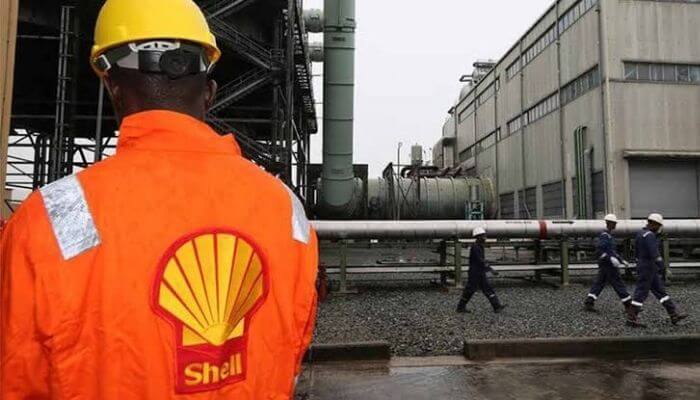

The documents, obtained by the BBC through ongoing legal action in the UK, included emails, technical reports, and internal presentations. These showed that Shell executives often expressed concerns about the safety and condition of the Nembe Creek Trunk Line (NCTL), an important pipeline for transporting crude oil.
These findings have increased the focus on years of environmental damage in the Niger Delta. Repeated oil spills have hurt wetlands, mangroves, and fishing communities. The documents were part of legal actions taken by communities near the creeks and mangroves of the Niger Delta. They are trying to hold Shell accountable for pollution linked to over 100 oil leaks between 2011 and 2013.
A PREMIUM TIMES investigation in June also found that toxic gas eruptions continue to threaten lives and livelihoods in Bille. This is happening amid years of pollution and the poor handling of abandoned oil facilities in the riverine community.
Court Ruling on Pollution Claims
The High Court also dismissed parts of Shell’s challenge to the claimants’ updated documents. These documents explained the facts and legal reasons for holding Shell accountable for pollution in Bille.
According to Leigh Day, the court confirmed that the communities can argue that Shell is responsible for pollution in the area. This is true even if residents cannot point out every individual spill that contributed to the contamination.
The court clarified that the claims are not “all or nothing” or “global claims.” This ruling could have broader effects on environmental lawsuits involving pollution from multiple sources. This is especially true when affected communities struggle to identify each polluting incident and its exact impact on the overall damage.
Matthew Renshaw, an international partner at Leigh Day, welcomed the ruling. He said, “Shell’s attempts to frustrate the progress of these claims has now reached a dead end, and the case will now proceed to trial in full.” He added that the communities are happy the court acknowledged the need to find out if Shell’s witnesses gave false or misleading evidence in earlier proceedings.
Renshaw also mentioned that the ruling sets an important precedent for environmental cases involving multiple pollution instances. It allows claimants to use a common-sense approach to assess the damage done without needing to identify each separate incident and link it to a specific harm.
As the proceedings continue, Shell's stance on the allegations will be tested. The main trial is expected to start in May 2027.





Comments
No comments yet.