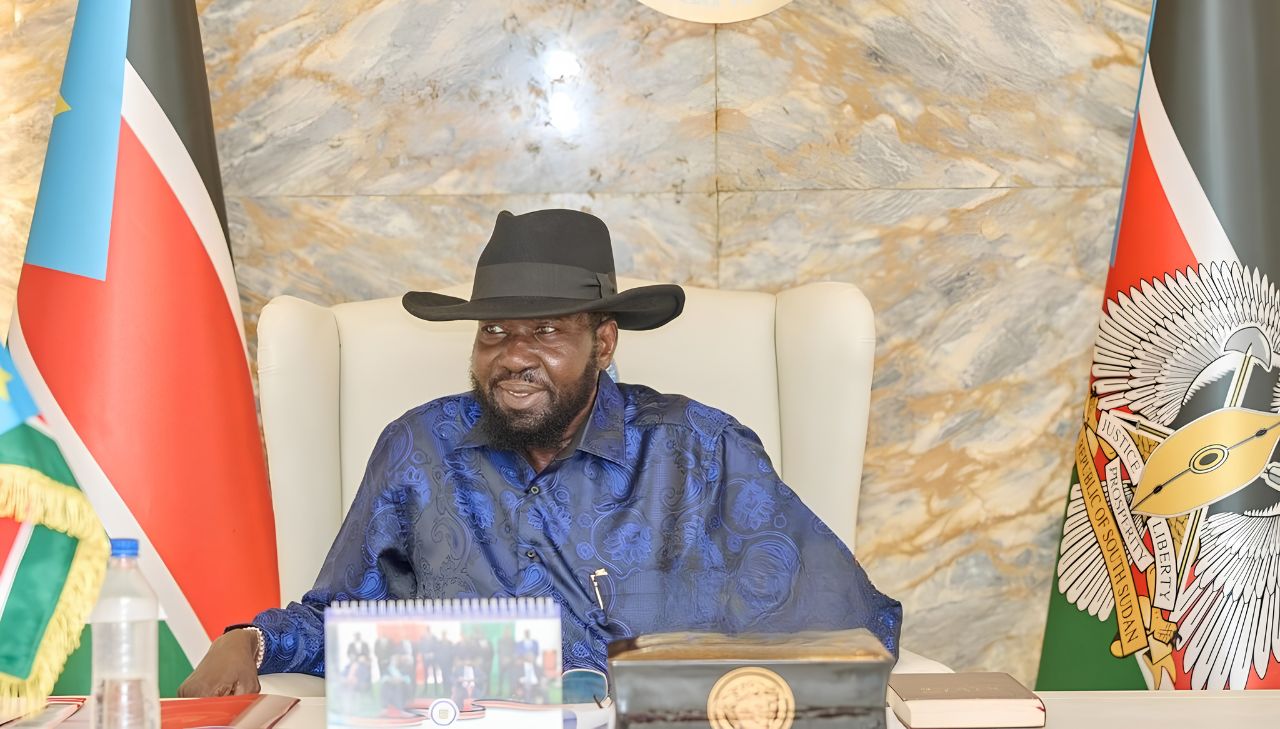
Last week, South Sudan’s cabinet approved changes to laws for the elections set for December 2026. But just a day earlier, on September 10, the United Nations Commission on Human Rights in South Sudan said the country lacks many necessary conditions for peaceful and credible elections. The government quickly rejected this assessment.
Since gaining independence in 2011, South Sudan has not held national elections. This is due to ongoing armed conflict and political delays. Again, serious political and technical issues make it hard to organize credible elections that could end the long transition period.
The first elections were supposed to happen in 2015. But they were delayed because of a civil war that started in 2013. Since then, elections have been postponed five times. The first peace deal lasted less than a year. It was replaced by the 2018 Revitalised Agreement on the Resolution of the Conflict in the Republic of South Sudan (R-ARCSS).
The rivalry between President Salva Kiir Mayardit and First Vice-President Riek Machar has fueled conflicts and peace talks since independence. This often hides the deeper issues, like the militarization of politics and elite negotiations.
After the 2018 agreement, there were moments of peace that helped reduce violence and bring some stability. But as conflicts grew in places like eastern Democratic Republic of the Congo and Sudan, South Sudan's transition lost international focus. This weakened the pressure to implement the peace agreement.
Over the past year, Mr Kiir has undermined the power-sharing deal by making unilateral changes in the cabinet, replacing opposition lawmakers, and delaying security reforms. Since the transitional government depends on the agreement, ignoring it would break the political settlement that ended the 2018 conflict.
Mr Kiir’s first major action was to put Mr Machar under house arrest in March 2025. This happened after a military base was attacked by the White Army militia, mostly made up of Nuer, Mr Machar’s ethnic group. The government accused Mr Machar of planning the attack, and he faces treason charges along with some close allies.
Mr Kiir has ignored calls from the international community to free Mr Machar. The vice-president is still a powerful figure with strong ethnic, military, and political connections. He can rally significant opposition, especially in Upper Nile, Unity, and Jonglei. If he is released before the elections, he could endanger Mr Kiir’s chances to stay in power.
Tanzania and Uganda held elections in October 2025 and January 2026, respectively, but faced violent repression and detained key opposition candidates. If South Sudan follows a similar path in its unstable political climate, it could slide back into conflict like in 2013.
Since Mr Machar's arrest, Mr Kiir has made several unilateral changes in the Revitalised Transitional Government of National Unity, ignoring the power-sharing rules from the 2018 deal. His administration has removed Mr Machar's faction from government and replaced it with members of a splinter group led by Peace Building Minister Stephen Kuol. This splinter group supports Mr Kiir and the current flawed electoral process.
Mr Kiir has also changed the 2018 deal to eliminate legal barriers to holding elections, which violates the agreement. The amendments made on July 22 removed the requirements for a national census and a new constitution before elections. He also tried to reduce the deal's importance in South Sudan's legal framework, allowing the government to choose which parts to follow.
Mr Machar’s SPLM/A-IO faction insists that any elections must follow the peace deal and include all parties involved. They argue that not implementing the key parts of the agreement is the main barrier to free and fair elections.
To counter the government's growing power, Mr Machar’s SPLM/A-IO has teamed up with other armed groups, like the National Salvation Front. These groups have carried out joint military operations against state forces, drawing criticism from the Ceasefire and Transitional Security Arrangements Monitoring and Verification Mechanism.
With less than four months until the elections, the government continues to weaken the peace deal amid rising insecurity and a humanitarian crisis. Over 2.5 million people are displaced, and more than 10 million need assistance.
Significant issues with election preparations are still not solved. These include underfunding of the National Elections Commission and no voter register. Ongoing violence also makes it hard for the electoral body to reach all areas and limits citizens’ movement.
Mr Kiir's push to hold elections in December leads to two possible outcomes. First, he could go through with non-credible elections, win, and stay in power. But this would create an illegitimate political situation and increase instability.
Second, Mr Kiir might be preparing to extend the transition. By making last-minute election preparations, he could be signaling that he wants to hold elections he knows are unlikely, to justify asking for an extension.
Either outcome would make the 2018 peace agreement meaningless and could lead to large-scale fighting again. Mr Kiir seems to prefer the first option to secure his power.
Any support from international partners for elections under the current political situation would be harmful. It would suggest approval of dismantling the 2018 deal and risk reversing the progress made.
Jakaya Kikwete, the African Union High Representative for South Sudan, should urge international partners to set basic conditions for elections. Ugandan President Yoweri Museveni, a close ally of Mr Kiir, should convince him to rethink his approach. The international community should keep pressing for Mr Machar's release and work to stop Mr Kiir from taking further unilateral actions against the peace agreement.
Finally, since credible elections cannot be organized in the time left, international players should advocate for a consensual extension with a clear plan for elections. This could help save the deal and prevent a return to widespread violence.
Drop your comment
No comments yet — be the first to drop the gist 👇